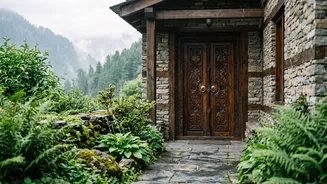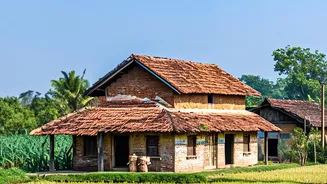






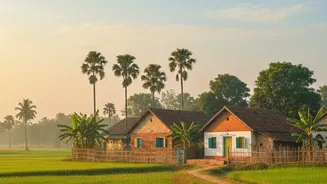
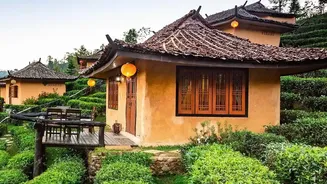
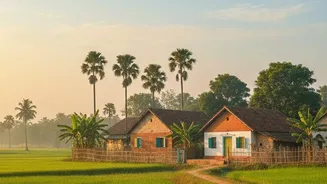
The frantic pace of city life has Indian travellers looking beyond conventional hotels. Instead of just sightseeing, they now crave genuine experiences, leading to a boom in rural homestays that offer a real taste of the countryside.
From Tourist to Traveller
The definition of
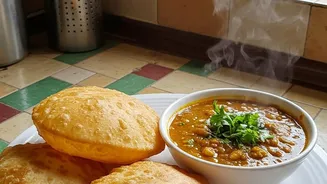
a holiday is changing for many urban Indians. Gone are the days of rushed, checklist-driven tourism that often leaves one feeling more exhausted. Today, the focus is shifting from merely 'seeing' a place to 'experiencing' it. Travellers are increasingly bypassing sterile, predictable hotel chains in favour of accommodations that offer character and a genuine connection to the destination. This is the core of experiential travel: a desire for authenticity. Rural homestays are perfectly positioned to meet this demand, offering not just a room, but an immersive entry into a local family’s life, culture, and traditions. It's the difference between watching a culture from a tour bus and learning to cook a traditional meal in a family kitchen.
The Search for a Mental Reset
Urban burnout is a significant driver behind this trend. Deloitte's Global Millennial and Gen Z Survey highlighted that a high percentage of young Indian professionals report work-related stress. The constant connectivity, long work hours, and decision fatigue of city living have created a deep need for genuine disconnection. Rural homestays provide an escape that a city hotel cannot. They offer quiet, open spaces, and a forced slowdown from the digital grind. Many city dwellers are not just looking for a vacation; they are actively seeking a mental reset button. The appeal lies in swapping the sound of traffic for birdsong and trading screen time for a quiet evening spent with hosts, which has a restorative effect on mental well-being.
The Rise of Agritourism
A key facet of the rural homestay appeal is the growth of agritourism, where the farm itself becomes the destination. The Indian agritourism market is seeing significant growth, projected to expand considerably by the early 2030s. Travellers are drawn to the idea of participating in rural life, whether it's by visiting tea estates, picking mangoes, or learning about organic farming. These on-farm activities transform a simple stay into an educational and engaging experience. For families, it’s a chance to teach children where their food comes from. For individuals, it's an opportunity to reconnect with the land in a tangible way. This hands-on approach offers a sense of purpose and grounding that a conventional holiday rarely provides.
Making Economic and Social Sense
Beyond the experiential aspects, homestays offer practical advantages. They are often more budget-friendly than upscale hotels and resorts, providing a more personal and distinctive experience for a lower cost. Furthermore, this travel trend has a direct and positive impact on rural economies. By choosing a homestay, travellers ensure their money goes directly to local families, supporting livelihoods and helping to preserve cultural heritage. This model of tourism can create local jobs for guides and cooks, and provides a sustainable source of income that can reduce the need for villagers to migrate to urban centres for work. The post-pandemic era also gave homestays a boost, as travellers sought out private, clean, and socially distanced accommodation options away from crowded tourist hubs.