



The Rise of the Functional Fungus
One of the biggest drivers of the mushroom boom is the growing interest in "functional foods"—ingredients that offer health benefits beyond basic nutrition. Enter functional mushrooms, species like Lion’s Mane, Reishi, and Cordyceps, which have been used
in traditional medicine for centuries. Today, they are being celebrated for their potential adaptogenic properties, which are believed to help the body manage stress. This has led to a surge in new products, from mushroom-infused coffees and teas claiming to boost focus and energy, to wellness shots and protein drinks. Consumers are increasingly looking for natural ways to support their well-being, and these nutrient-packed fungi, rich in antioxidants and vitamins, fit the bill perfectly.
A Sustainable Superstar
As diners become more environmentally conscious, the demand for sustainable food sources is skyrocketing. Mushrooms are a powerful answer to this call. Their cultivation has a remarkably small environmental footprint, requiring significantly less water, land, and energy compared to traditional animal protein. Mushroom farming is a model of efficiency; some varieties can be grown vertically, maximizing space, and they are often grown on agricultural byproducts, effectively recycling waste. This makes them an attractive and responsible choice for both home cooks and large-scale food producers looking to reduce their carbon footprint without sacrificing quality.
The Ultimate Umami Powerhouse
Chefs and food lovers have long prized mushrooms for their deep, savoury flavour known as umami—the fifth taste. This rich, meaty quality makes them an exceptional plant-based alternative to meat. Varieties like the large, dense Portobello are grilled as hearty vegetarian burgers, while the firm-stemmed King Oyster mushroom can be seared to mimic the texture of scallops. This versatility is a game-changer. By finely chopping mushrooms and blending them with minced meat, chefs can create burgers and meatballs that are juicier, more flavourful, and lower in fat—a technique known as "The Blend". As more people adopt plant-forward or flexitarian diets, the mushroom's ability to deliver satisfying, complex flavour is central to its growing appeal.
Beyond the Button Mushroom
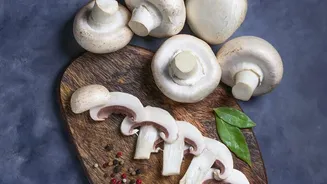
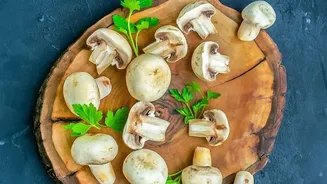
The Indian market is also seeing a shift away from relying solely on the common button mushroom. While button mushrooms remain a popular staple, there is growing availability and interest in more diverse and gourmet varieties. Shiitake mushrooms, with their smoky flavour, are now a frequent addition to stir-fries and broths. Delicate oyster mushrooms are finding their way into a range of dishes, from simple sautés to elaborate main courses. The Indian mushroom market is expanding rapidly, driven by rising health awareness and demand from a growing vegan and vegetarian population. This has encouraged both commercial farming and a consumer curiosity to explore the different tastes and textures the fungi kingdom has to offer.