




Beyond the Single Ceiling Light
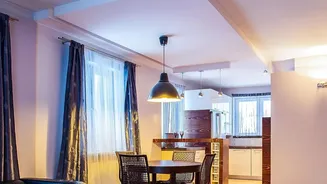
For decades, the default for many living rooms was a single overhead fixture that cast harsh shadows and created a flat, uninviting atmosphere. This one-size-fits-all approach fails to adapt to the room's many functions, from reading and relaxing to entertaining
guests. Interior designers argue that relying on one light source makes even expensive furniture look lackluster and can make corners of the room feel dark and forgotten. The solution isn't just more brightness, but a more strategic approach to illumination known as layered lighting. This technique involves using multiple light sources to build a scene, adding depth, flexibility, and character to a room.
The Three Layers of Light
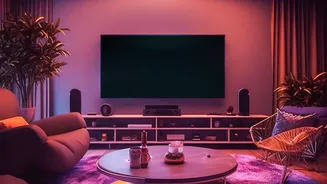
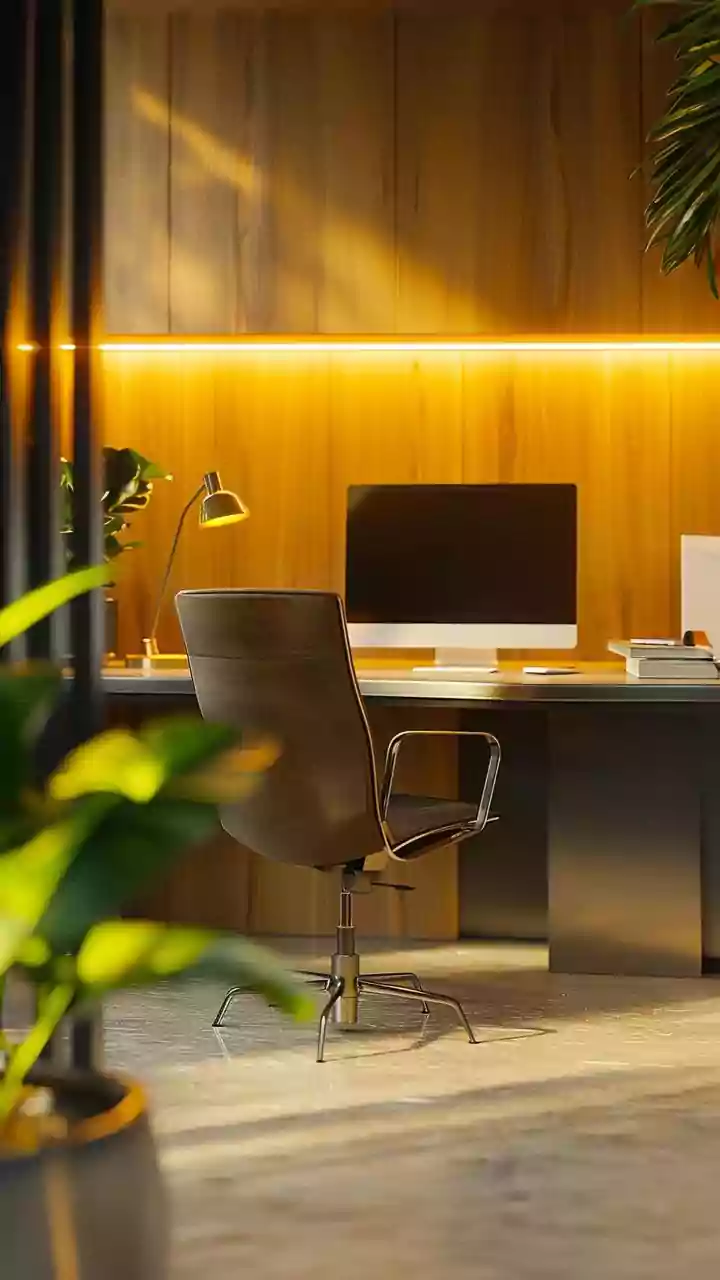
Layered lighting is built on three distinct types of light that work together. The first is ambient light, the overall illumination that makes a room functional, often provided by a ceiling fixture, recessed lights, or even large floor lamps. The second is task lighting, which is focused light for specific activities like reading or working. This could be a stylish table lamp next to a chair or an adjustable floor lamp beside the sofa. The final, and arguably most transformative, layer is accent lighting. This is the “magic” layer used to highlight architectural features, artwork, or plants, creating visual interest and depth. Think of a small spotlight aimed at a bookshelf or LED strips behind a media console. By combining these three layers, a room can instantly feel more curated and high-end.
The Rise of the Curve
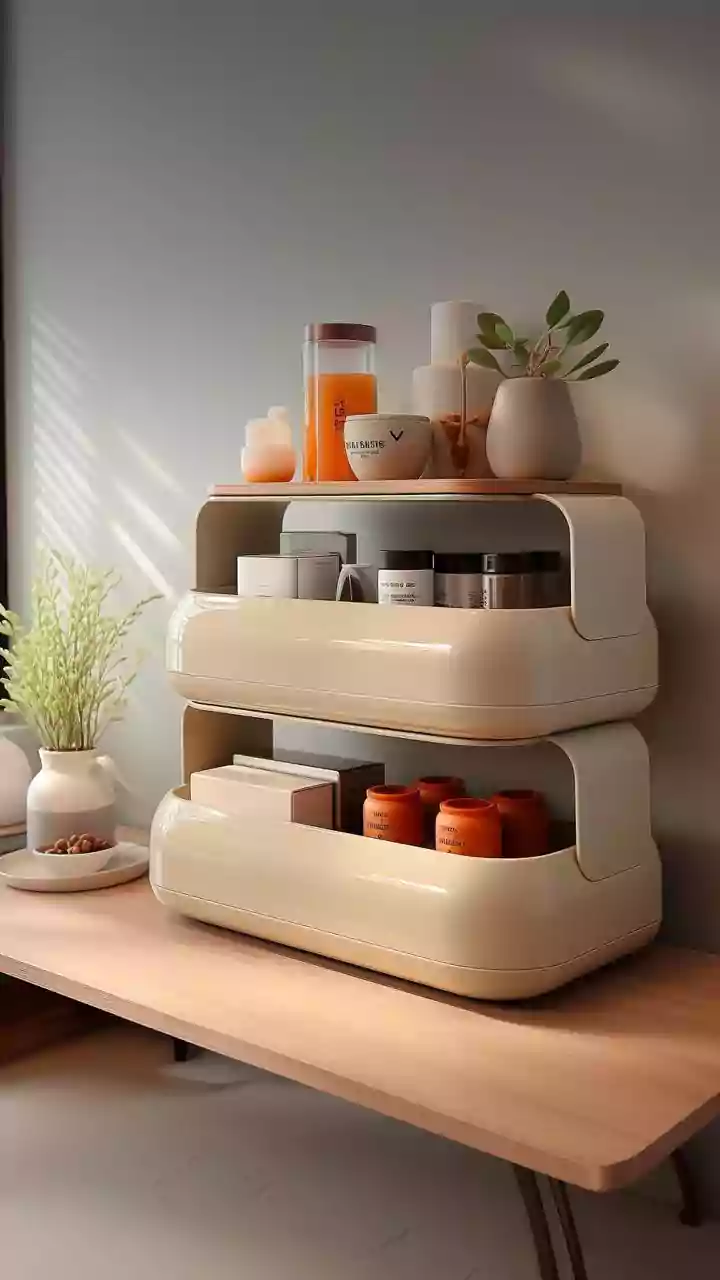
Just as lighting is becoming more dynamic, so is furniture. The reign of sharply angled, boxy sofas and tables is giving way to softer, more organic shapes. Curved furniture—from kidney-shaped sofas to round coffee tables and arched cabinets—is surging in popularity because it fundamentally changes the feel of a room. Psychologically, humans tend to find curved shapes more welcoming and calming than sharp angles. This trend is a reaction against years of rigid minimalism, moving toward interiors that feel more comfortable and human-centered. Curved pieces guide the eye smoothly around a room, creating a sense of flow and movement that can make a space feel larger and more connected.
Making Small Spaces Work Harder
Both layered lighting and curved furniture are particularly effective in the often-cramped quarters of an apartment. Proper lighting can create the illusion of more space, making small rooms feel larger and more open. Illuminating forgotten corners with floor lamps or wall sconces broadens the visual field. Similarly, curved furniture excels in tight layouts. A rounded coffee table or sofa lacks sharp corners that jut into walkways, improving circulation and making a room easier to navigate. In an open-plan apartment, a curved sectional can elegantly define the living area without creating a hard visual barrier, maintaining a sense of openness while creating a cozy, conversational zone.
How to Combine the Trends
The key to successfully integrating these trends is balance. Start by building your lighting layers. If you're a renter, focus on plug-in options like floor lamps, table lamps, and accent spotlights. Varying the heights of your lamps creates a pleasing rhythm. Then, introduce curves strategically. You don't need every piece to be rounded. A single sculptural piece, like a curved sofa or a pair of arched accent chairs, can serve as a focal point. Pair a straight-lined sofa with a round coffee table to soften the look. The interplay between the soft glow of layered light and the gentle lines of curved furniture creates a sophisticated environment that is both functional and deeply inviting.