
The End of the ‘Empty Gallery’ Home
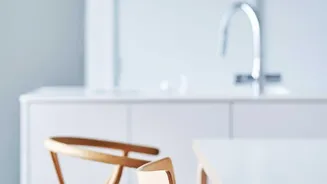
The minimalist wave that dominated the last decade gave us clean lines, neutral palettes, and a clutter-free promise. Often inspired by Scandinavian design, it leaned heavily on cool greys and stark whites. While visually calming, this aesthetic frequently
resulted in homes that felt cold, impersonal, and more like galleries than living spaces. Designers and homeowners are now calling this a ‘long-overdue cultural correction’. The problem was that this borrowed minimalism often felt disconnected from the warmth and vibrancy of Indian life. A home designed for a cold European climate doesn't always translate well to a sun-drenched Indian apartment, where stark tones can feel harsh and unwelcoming. The result was often a space that was performative and lacked individuality, designed to be looked at rather than lived in.
From Aspiration to Expression
The new movement in Indian interiors is driven by a desire for authenticity. Instead of aspiring to a generic global standard, people want homes that tell their personal story. This means creating spaces that are layered with meaning, reflecting individual journeys, family histories, and unique tastes. Every corner becomes a narrative. That empty shelf is no longer a symbol of minimalist discipline, but an opportunity. It’s where a handcrafted vase from a recent trip, a brass heirloom from a grandparent, or a piece of art that truly resonates can find its place. This approach celebrates a ‘curated chaos,’ where objects are not just decorative fillers but meaningful storytellers that contribute to the home’s soul. The focus has shifted from creating a perfect space to creating a personal one.
Introducing Warm Minimalism
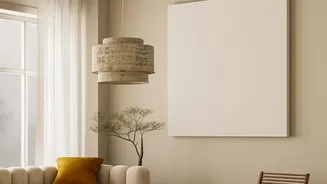
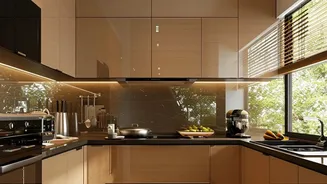
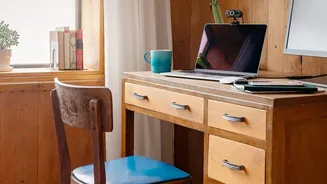
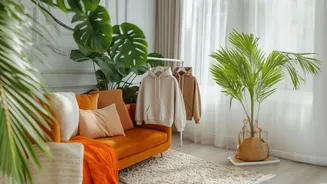
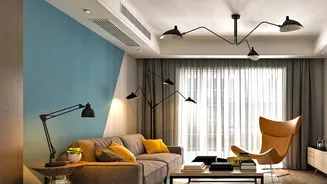
This shift doesn't mean a return to clutter. Instead, it has given rise to a new design philosophy: warm minimalism. This approach keeps the clean, uncluttered foundations of minimalism but replaces its coldness with warmth and texture. The stark whites and greys are being swapped for an earthy palette of terracotta, sand, olive green, and warm beige. These tones feel more grounding and pair beautifully with natural materials like sheesham or walnut wood, jute rugs, and linen upholstery. Lighting is also key; instead of a single, harsh overhead light, the trend is towards layering multiple light sources like table lamps and floor lamps to create a soft, inviting glow. It’s about having fewer things, but ensuring those things are tactile, meaningful, and contribute to a feeling of comfort and sanctuary.
A Renaissance of Indian Craft
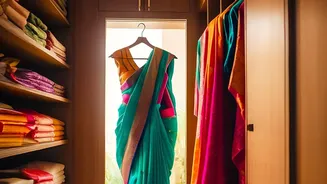
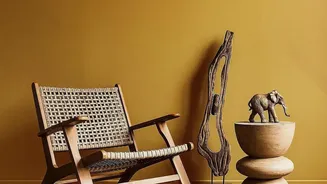
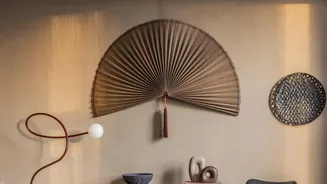
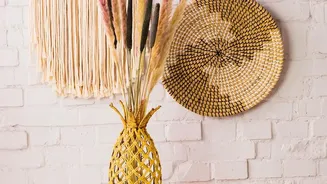
A significant part of this personalisation trend is a renewed appreciation for local and artisanal craftsmanship. Homeowners are consciously choosing to integrate traditional Indian arts and materials into their modern homes. This is a pushback against mass-produced decor, favouring pieces that are unique and rooted in heritage. We’re seeing a resurgence of hand-embroidered cushion covers, block-printed textiles, and handwoven dhurries. Materials like terracotta, brass, and cane are being used not just in traditional contexts but as accents in contemporary settings. Art forms like Pichwai and Madhubani are no longer confined to museums but are appearing on walls as statement pieces, bridging the gap between contemporary living and cultural legacy. This not only adds character to a home but also supports artisan communities and preserves dying art forms.
The Joyful Freedom of More
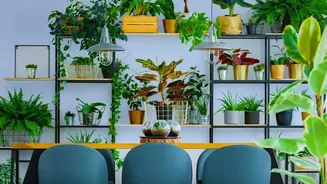
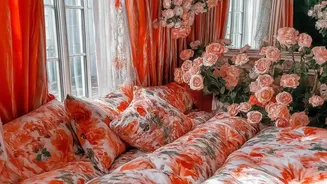
While warm minimalism is a dominant trend, the move towards personal expression has also unlocked the door for its more flamboyant cousin: eclectic maximalism. For some, a personal home is not quiet or restrained; it is a vibrant celebration of colour, pattern, and texture. This style embraces a ‘more is more’ philosophy, fearlessly mixing design elements from different eras and cultures. A vintage armchair can comfortably sit next to a modern metal bookshelf, while a bold, patterned wallpaper serves as a backdrop for a collection of diverse artworks. Eclectic interiors are defined by their confident fusion of styles, creating a space that feels dynamic, rich, and deeply individualistic. It’s the ultimate form of self-expression, proving that a home filled with personality can be as beautiful as one defined by restraint.