

Planning Your Sohra Sojourn
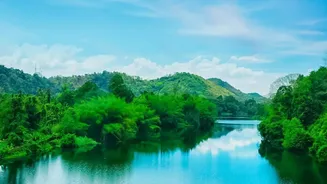
Sohra is perched on the edge of the East Khasi Hills, about 54 kilometres and a scenic two-hour drive from Shillong. The most crucial decision for your trip is timing. The experience of Sohra changes dramatically with the seasons. For waterfalls in their
full, thundering glory, the monsoon months from June to September are unmatched. The landscape becomes a misty, emerald wonderland. However, this period also brings challenges, including slippery trails and viewpoints often obscured by clouds. For clearer skies, comfortable trekking conditions, and better accessibility to the living root bridges, the post-monsoon and winter window from October to April is ideal. Waterfalls will have less volume but the overall visibility and weather are more favourable for exploration. No matter when you go, booking accommodation in advance is wise, especially during the peak tourist season from November to February.
Chasing Sohra's Magnificent Waterfalls
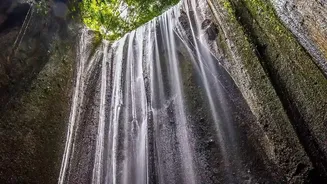
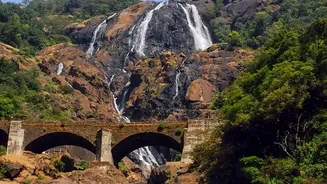
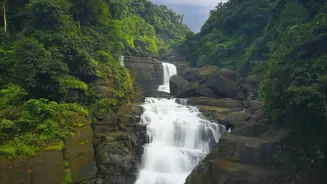
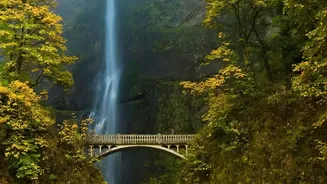
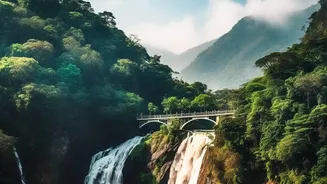
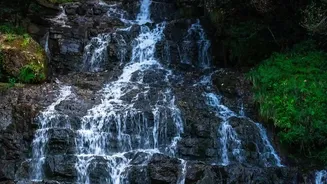
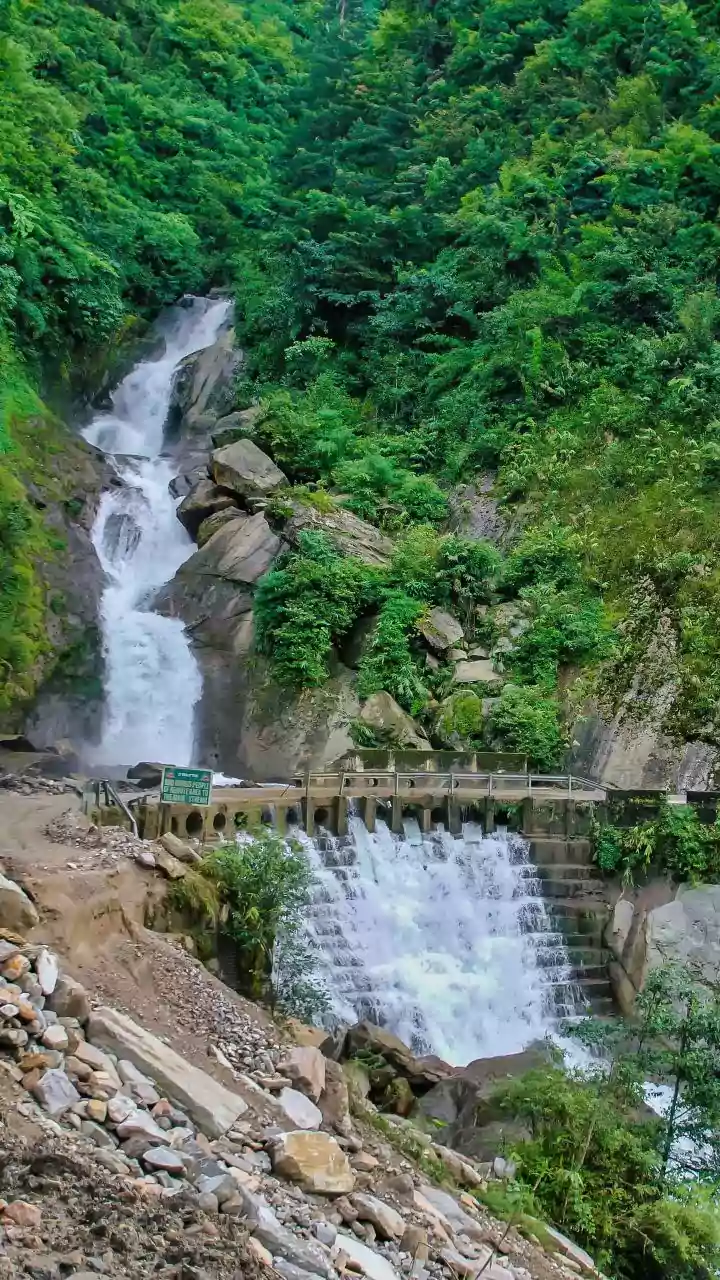
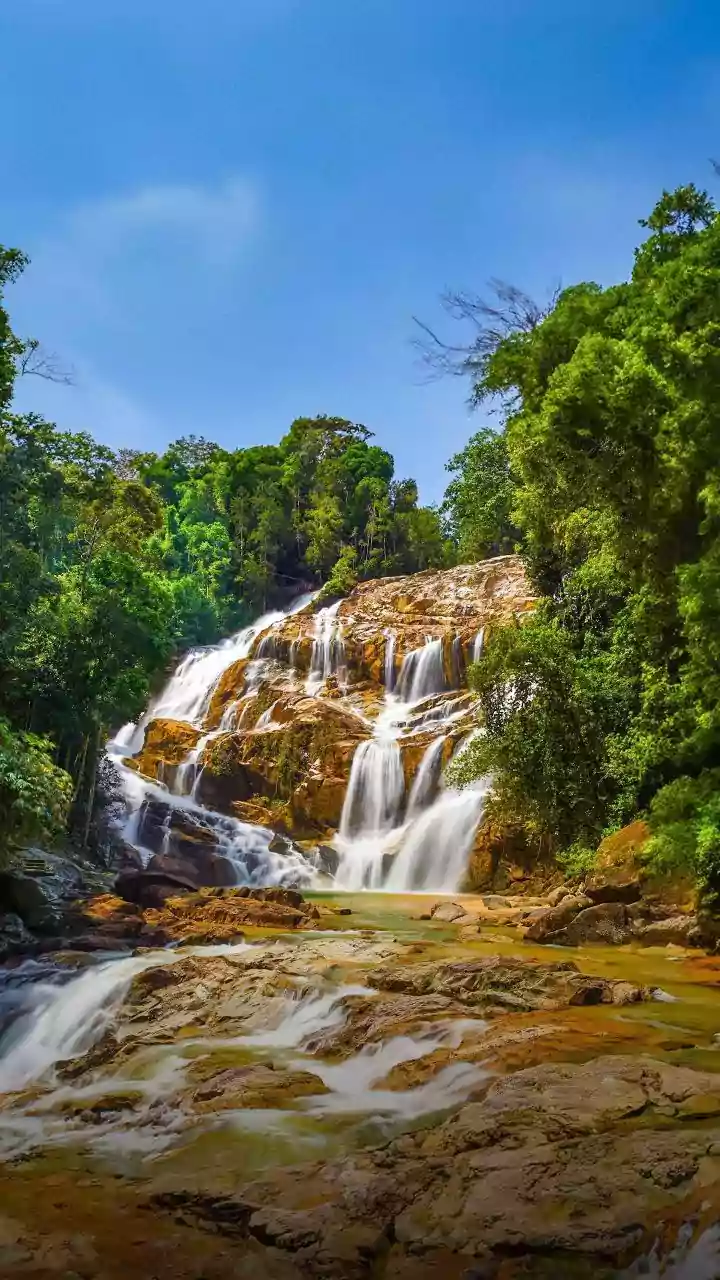
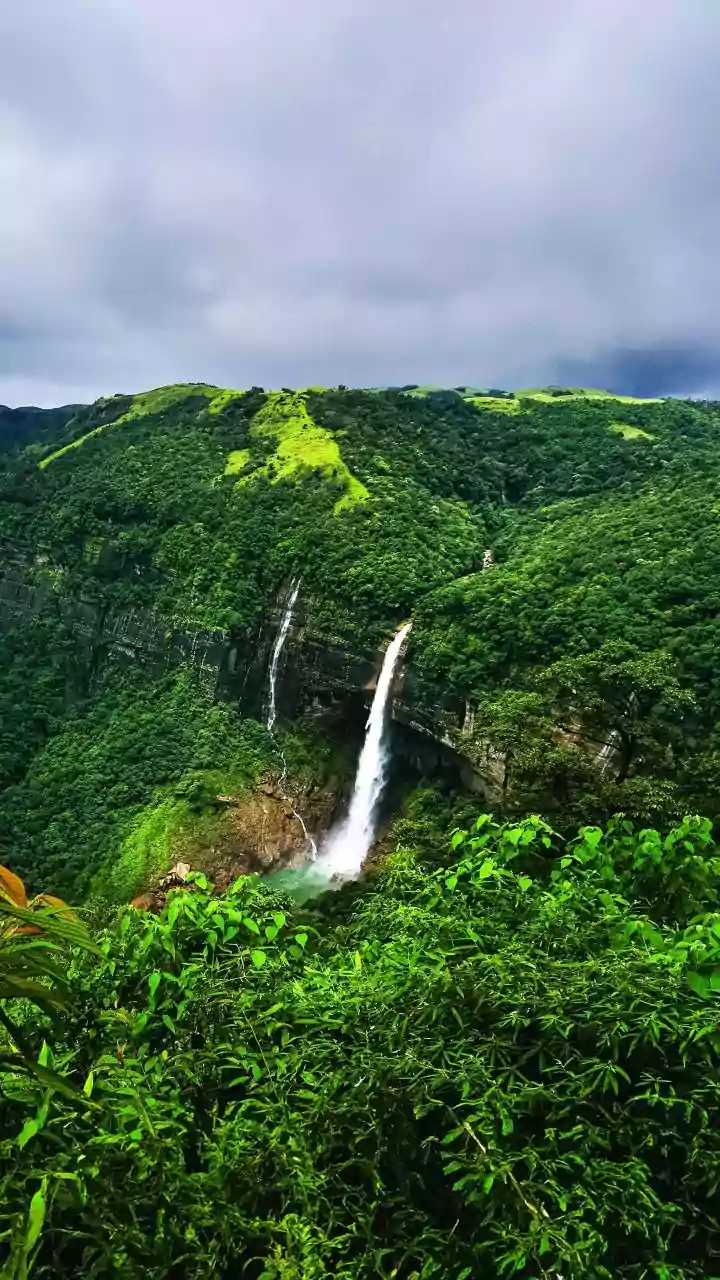
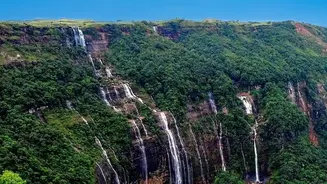
Sohra's landscape is defined by its dramatic waterfalls plunging into deep gorges. The most iconic is Nohkalikai Falls, India's tallest plunge waterfall, which cascades over 340 meters into a stunning turquoise pool. For the best light and to avoid afternoon mist, try to visit in the morning. Another must-see is Nohsngithiang Falls, popularly known as the Seven Sisters Falls. As the name suggests, it is a segmented waterfall with seven streams that are most impressive during the monsoon. Dainthlen Falls offers a different experience, with its wide, rocky expanse and legends of a slain serpent. For the more adventurous, a trek is required to reach the three-tiered beauty of Wei Sawdong Falls, but the ethereal, layered pools are a worthy reward for the effort.
The Living Root Bridges of Nongriat
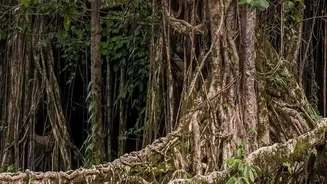
A testament to bio-engineering by the Khasi people, the living root bridges are a highlight of any Meghalaya trip. The most famous of these is the Jingkieng Jri, or the Double Decker Living Root Bridge, located in Nongriat village. Reaching it is an adventure in itself, involving a trek of approximately 3 kilometres one-way from Tyrna village, which includes descending (and later ascending) over 3,500 steep steps. The journey is demanding, so assess your fitness level before committing. For those who manage the trek, the reward is an awe-inspiring structure grown over generations. To fully appreciate the experience and avoid a punishing same-day return, consider an overnight stay in one of Nongriat's homestays. This also allows time for the further trek to the beautiful Rainbow Falls.
Essential Best Practices for Your Trip
To ensure a smooth and respectful journey, keep a few key practices in mind. Always carry sufficient cash, as ATMs in Sohra can be unreliable and digital payments are not an option in remote areas like Nongriat. Pack for all weather; a waterproof jacket and shoes with good grip are non-negotiable, even outside the monsoon. Meghalaya's communities are at the heart of its tourism, so travel responsibly. Hire local guides, especially for treks, to support the community and ensure your safety. Be mindful of the fragile ecosystem; do not litter and respect sacred sites like the Mawphlang Sacred Groves, where removing even a leaf is forbidden. Also, be aware that many shops and services shut down on Sundays, so plan your activities and meals accordingly.