





Is your study corner or work-from-home desk buried under a mountain of books and papers? A cluttered bookshelf can drain your focus and creativity. It's time for a refresh that is not only easy and affordable but will also boost your productivity.
Start With a Clean Slate
Before
you can organise, you must declutter. Take everything off your shelves. Yes, everything. This is the most crucial step. Sort your belongings into three piles: keep, donate, and discard. Be ruthless with what you choose to keep. Get rid of dried-up pens, old notebooks you'll never reference again, and papers that are no longer relevant. Wipe down the empty shelves to remove dust and grime. Starting with a completely empty space gives you a fresh perspective and makes it easier to reimagine the layout.
Categorise for Function
Once you have your 'keep' pile, it's time to sort it. A library-style system can be highly effective. Group items by function and frequency of use. Keep essential, everyday books and stationery within easy reach. Textbooks for current subjects, frequently referenced manuals, and your go-to notebooks should be at eye level. Books you've already read or reference less often can go on higher or lower shelves. Consider creating zones: a section for fiction, another for non-fiction, and a dedicated area for stationery and supplies. This functional approach saves you time and reduces the mental load of searching for things.
Vary Your Stacking Style
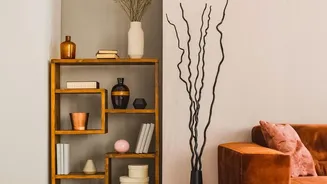
Avoid arranging all your books vertically like soldiers in a line. Mix it up to create visual interest. Stack some books horizontally and others vertically. This not only looks more dynamic but is also practical. Horizontal stacks can serve as mini-shelves or bookends for a vertical row. Place a small decorative object, like a scented candle or a small plant, on a stack of books to add a personal touch. This breaks up the monotony and makes your bookshelf feel more curated and less like a storage unit.
Incorporate Personal Decor
Your workspace should inspire you. A bookshelf is a perfect opportunity to display your personality. Weave in small decorative items that bring you joy. This could be framed photos, small art prints, souvenirs from your travels, or even attractive stationery holders. However, be mindful of clutter. The goal is to personalise, not to fill every available inch. A good rule of thumb is to follow the 'two-thirds' rule, leaving about one-third of the shelf space visually open to avoid a crowded look.
Use Bins and Baskets for Hidden Storage
Not everything needs to be on display. For items like loose cables, extra chargers, and miscellaneous stationery, use stylish baskets or decorative boxes. These containers are perfect for hiding clutter while keeping it organised and accessible. You can find affordable options that match your room's decor. Label them so you know exactly what's inside, saving you from having to rummage through them later. This trick instantly makes your shelves look neater and more intentional.
Add a Touch of Greenery
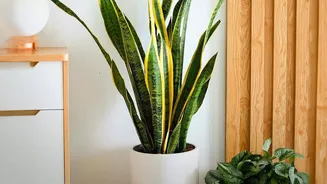
Never underestimate the power of plants. Adding a small potted plant or a few succulents can instantly liven up your study space. Greenery is known to reduce stress and improve air quality, creating a calmer and more productive environment. Opt for low-maintenance plants like snake plants, ZZ plants, or pothos that thrive in indoor conditions. A touch of nature can soften the hard lines of books and shelves, making your workspace feel more inviting.
Optimise Your Lighting
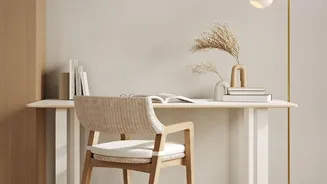
Good lighting is non-negotiable for a functional study area. While natural light is always best, ensure you have adequate artificial light for evenings or gloomy days. A dedicated desk lamp with an adjustable arm allows you to direct light exactly where you need it, reducing eye strain. You can also add softer 'mood lighting', like string lights or a small LED lamp, to create a warm, cosy atmosphere that makes studying feel less like a chore.