




What Are Continuous Glucose Monitors?
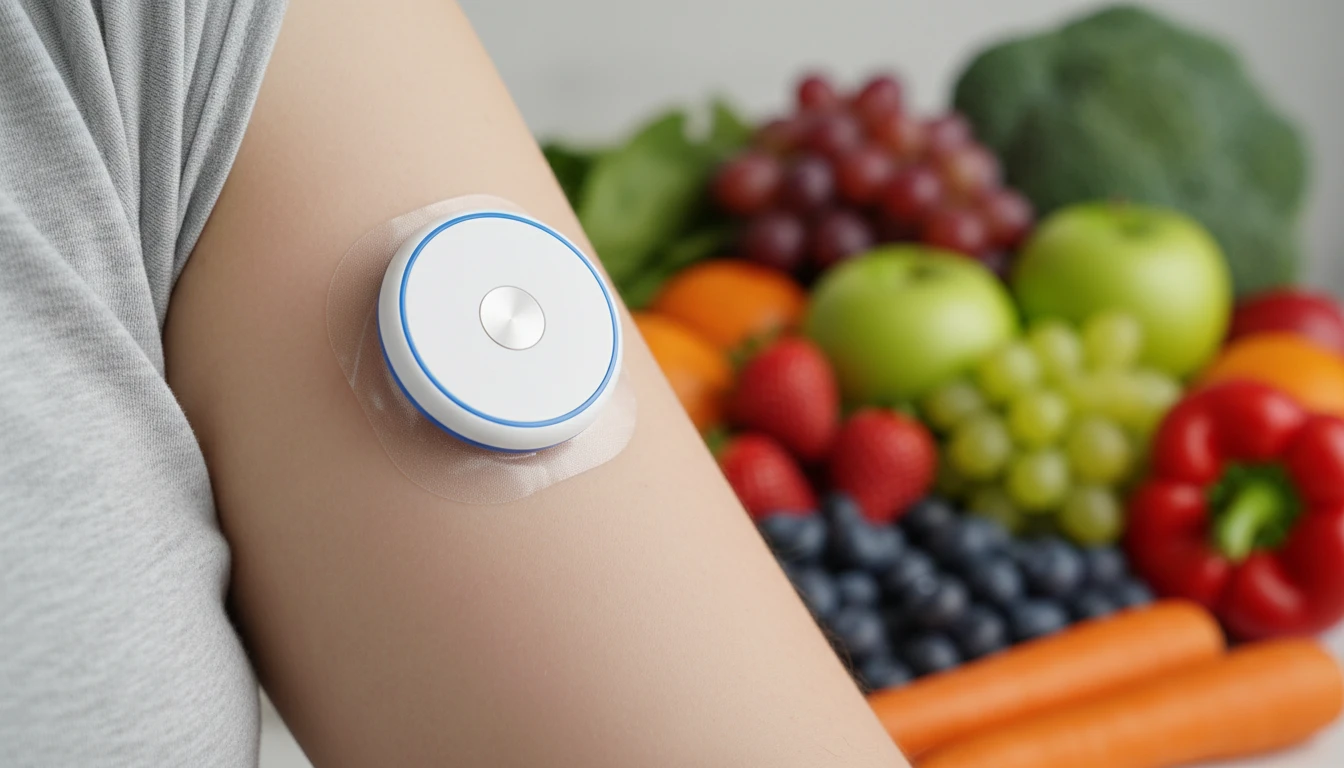
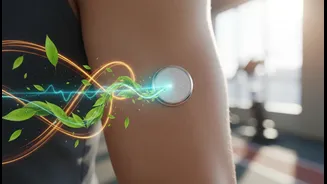
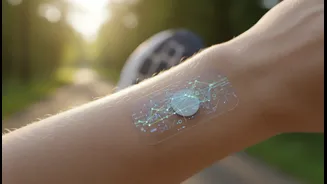
A continuous glucose monitor (CGM) is a small, wearable device that tracks your glucose (sugar) levels in real time, 24/7. It uses a tiny, flexible sensor inserted just under the skin, usually on the back of the arm, which measures glucose in the fluid
between your cells. This data is then sent wirelessly to a smartphone app, showing you not just a single reading but a continuous graph of how your levels fluctuate throughout the day. Originally developed as a revolutionary tool for people with diabetes to manage their condition without constant, painful finger-pricks, these devices are now being adopted by a new group: healthy individuals looking to bio-hack their way to peak performance and metabolic health.
The Rise of Metabolic Health Bio-Hacking
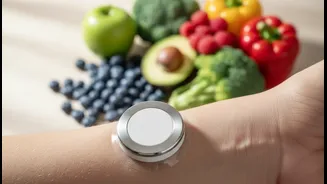
The trend is fueled by a growing interest in 'metabolic health'—the idea of keeping bodily processes like blood sugar, cholesterol, and inflammation in an optimal state. Companies like Ultrahuman, Levels, and Sugar.fit have been prominent in India, marketing CGMs to the wellness-conscious public. Their platforms combine the CGM sensor with sophisticated apps that provide real-time feedback, metabolic scores, and actionable insights. The core promise is that by understanding how your body responds to food, exercise, stress, and sleep, you can make smarter choices to improve energy, manage weight, and enhance athletic performance. Seeing a graph of your glucose spike after a particular meal provides a powerful, immediate feedback loop that a simple calorie count cannot.
Data-Driven Performance: The Athlete's Edge
For athletes and serious fitness enthusiasts, the appeal is clear: data-driven optimization. A CGM offers insights into how to best fuel the body for workouts and competitions. By monitoring glucose levels, an athlete can time their carbohydrate intake to maintain stable energy and avoid 'bonking'—a sudden crash in energy when glucose stores run out. It helps them experiment with pre-workout meals and during-exercise fuel to see what provides a sustained release of energy versus a sharp spike and crash. The data also aids in recovery, ensuring glucose levels are replenished efficiently after training, which is crucial for muscle repair and preparation for the next session.
The Other Side: Costs, Concerns, and Criticisms
While the benefits sound compelling, experts urge caution. One of the primary concerns is the risk of misinterpreting the data without clinical guidance. Normal glucose fluctuations after a meal might be seen as a negative 'spike,' leading to unnecessary food anxiety or restrictive eating habits. Endocrinologists point out that there are currently no clinical guidelines for using CGM data in healthy individuals, as these devices are not designed to be diagnostic tools. There is also a lack of long-term research on the benefits of CGM use for non-diabetics. Furthermore, cost can be a significant barrier, with sensors needing replacement every 10 to 14 days. Critics worry the trend could pathologize normal bodily functions and promote an unhealthy obsession with data over intuitive eating and listening to one's body.