




Sugar is a confusing topic. Some sources say to avoid it at all costs, while others say fruit is fine. The key isn't to eliminate all sugar, but to understand the difference between the types you're eating and which ones to limit.
What Are Naturally Occurring Sugars?
Naturally occurring sugars,
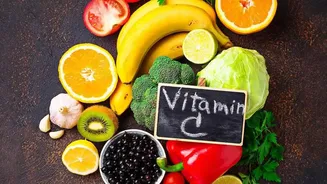
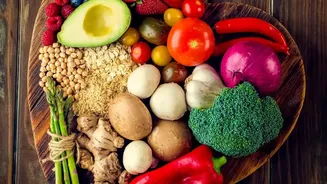
sometimes called intrinsic sugars, are exactly what they sound like: sugars that are found naturally inside whole, unprocessed foods. These sugars are part of the food's cellular structure. Think of the fructose that makes a mango sweet or the lactose found in a glass of milk. When you eat these foods, you're not just consuming sugar. You're also getting a package of other beneficial nutrients like fibre, vitamins, minerals, and water. This is a crucial point. The fibre in a whole apple, for instance, slows down the absorption of its sugar, preventing the rapid blood sugar spikes associated with other types of sweet foods. Health organisations agree that we don't need to limit these kinds of sugars.
And What Are 'Free' Sugars?
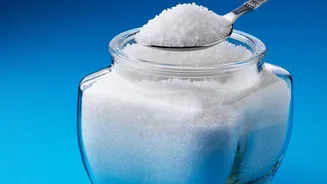
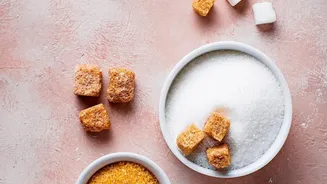
This is the category that health experts are most concerned about. The World Health Organization (WHO) defines free sugars as any sugar added to food by the cook, manufacturer, or consumer. This includes the familiar white sugar you might stir into your chai, the high-fructose corn syrup in soft drinks, and the sugar used in cakes, biscuits, and mithai. But the definition also includes sugars that might seem 'natural' but are no longer in their original cellular structure. This means honey, syrups like maple and agave, fruit juices, and fruit juice concentrates all count as free sugars. Even though the sugar in fruit juice comes from a fruit, the process of juicing removes the fibre, releasing the sugars and making them 'free' for your body to absorb rapidly, just like table sugar.
The Key Difference: Fibre is Your Friend
The main distinction between a whole orange and a glass of orange juice is the cellular structure and the presence of fibre. In the whole orange, sugar is 'locked' inside the fruit's cells along with fibre. Your body has to work to break down those cells to get to the sugar, leading to a slower, more gradual release of energy. When you drink orange juice, all that work has been done for you. The sugars are 'free' and hit your bloodstream quickly, which can lead to a spike and subsequent crash in energy levels. This is why eating a whole fruit is a healthier choice than drinking its juice, even if the juice is 100% pure and has no 'added' sugar.
What About Jaggery and Honey?
In many Indian households, jaggery (gur) and honey are seen as healthier alternatives to white sugar. While it's true that unrefined sweeteners like jaggery retain some minerals that are stripped from white sugar, they are still considered free sugars by the WHO. Honey is a free sugar. Jaggery, which is essentially concentrated sugarcane juice, is also a free sugar and is composed of at least 90% sugar by dry weight. From your body's perspective, once digested, the impact on blood sugar is very similar to that of regular table sugar. The minimal nutrient content doesn't offset the fact that they contribute to your daily free sugar intake.
Why Limit Free Sugars?
High consumption of free sugars is linked to a range of health issues. Because they provide energy without other essential nutrients, they are often referred to as 'empty calories'. An excessive intake of these sugars can lead to weight gain, increasing the risk of obesity, type 2 diabetes, and cardiovascular diseases. It is also a primary cause of dental decay. Both the WHO and India's ICMR-National Institute of Nutrition (NIN) recommend limiting free sugar intake. The ideal goal is to keep free sugars to less than 5% of your total daily energy intake, which for an average adult is about 25 grams, or 6 teaspoons, per day.
How to Reduce Free Sugar Intake
Cutting back on free sugars doesn't have to be painful. Start by targeting the biggest offenders, which are often sugary drinks like sodas, packaged juices, and sweetened teas or coffees. Two cups of chai with two teaspoons of sugar each can use up a significant portion of your daily budget. Opt for water, unsweetened chaas, or nimbu pani instead. Get into the habit of reading nutrition labels; look for the 'added sugars' line and be wary of ingredients ending in '-ose' (like sucrose, glucose, fructose) as well as corn syrup, malt extract, and concentrates. And finally, prioritise whole fruits over juices and smoothies to satisfy your sweet tooth while getting the full benefit of fibre and nutrients.