




From Utility to Sanctuary
For decades, the bathroom was a room of necessity, designed for quick, practical routines. Today, it's becoming the one space in the home explicitly designed for escape and restoration. The trend of the 'bathroom as a retreat' is less about over-the-top
luxury and more about creating a haven from the pressures of modern life. In a world of constant notifications and sensory overload, the desire for a personal sanctuary is growing. Homeowners are looking to create spaces that promote relaxation and emotional well-being, turning the bathroom into a place to recharge and disconnect.
A Haven for Overloaded Senses
The core idea driving this trend is sensory comfort. Modern life bombards our senses: the glare of screens, the constant noise of traffic, the mental load of a never-ending to-do list. The bathroom is uniquely positioned as a place where we can control these inputs. Sensory-friendly design, once a niche concept for those with specific needs, is now entering the mainstream. It involves thoughtfully considering how a space impacts all five senses—sight, sound, touch, smell, and even taste—to create an environment that is calming and restorative rather than stimulating or stressful.
Designing for Total Comfort
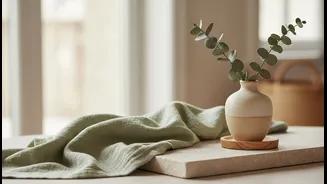
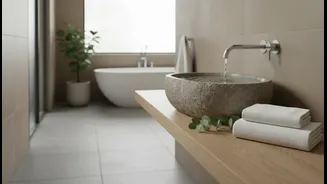
Achieving sensory comfort involves deliberate design choices. For sight, this means moving away from harsh, bright lights towards layered, dimmable lighting and calming colour palettes like blues and greens. Sound is managed by reducing echoes with soft textures like plush rugs and towels, and incorporating the gentle sound of water from a rain showerhead. Touch is engaged through natural materials like wood and stone, and soft fabrics that feel good against the skin. Scent plays a role through aromatherapy with essential oils like lavender or eucalyptus. Even small changes, like a soft-closing toilet seat to eliminate sudden noises, contribute to a more peaceful environment.
The Biophilia Connection
A key part of creating a sensory retreat is biophilia, our innate human need to connect with nature. Incorporating natural elements into the bathroom has been shown to reduce stress, lower blood pressure, and improve overall mood. This goes beyond placing a single potted plant on the windowsill. Biophilic design involves using natural materials like stone and wood, maximising natural light, and adding abundant greenery that thrives in humid conditions, such as ferns and snake plants. Features like living walls or even waterfall faucets can enhance this connection, making the space feel like a natural oasis.
More Than a Trend, A Modern Necessity
Viewing the bathroom as a retreat is not merely a design fad; it's a meaningful response to the wellness needs of our time. The principles of creating a sensory-friendly space are universal, offering a respite from the stresses of daily life. It acknowledges that true rest involves more than just sleep; it requires a deliberate calming of the nervous system. By transforming the bathroom into a personal spa, we are not just indulging in luxury; we are engaging in an essential act of self-care, creating a space where we can consciously unwind, reset our senses, and find a moment of peace in a chaotic world.