


An ancient epic is capturing the imagination of a new generation. Modern adaptations of the Ramayana are finding a massive, young, and global audience, proving that the classic tale of dharma and devotion is more relevant than ever. But why now?
A Blockbuster Reimagined for the Big Screen
The most
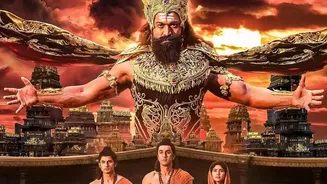
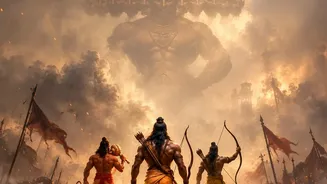
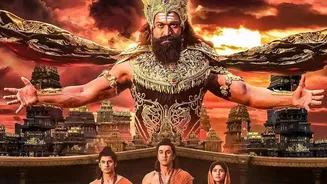
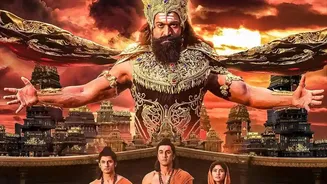
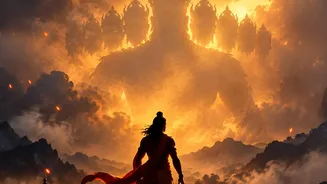
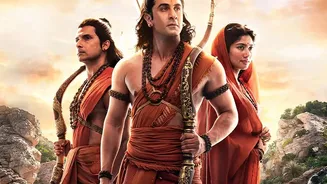
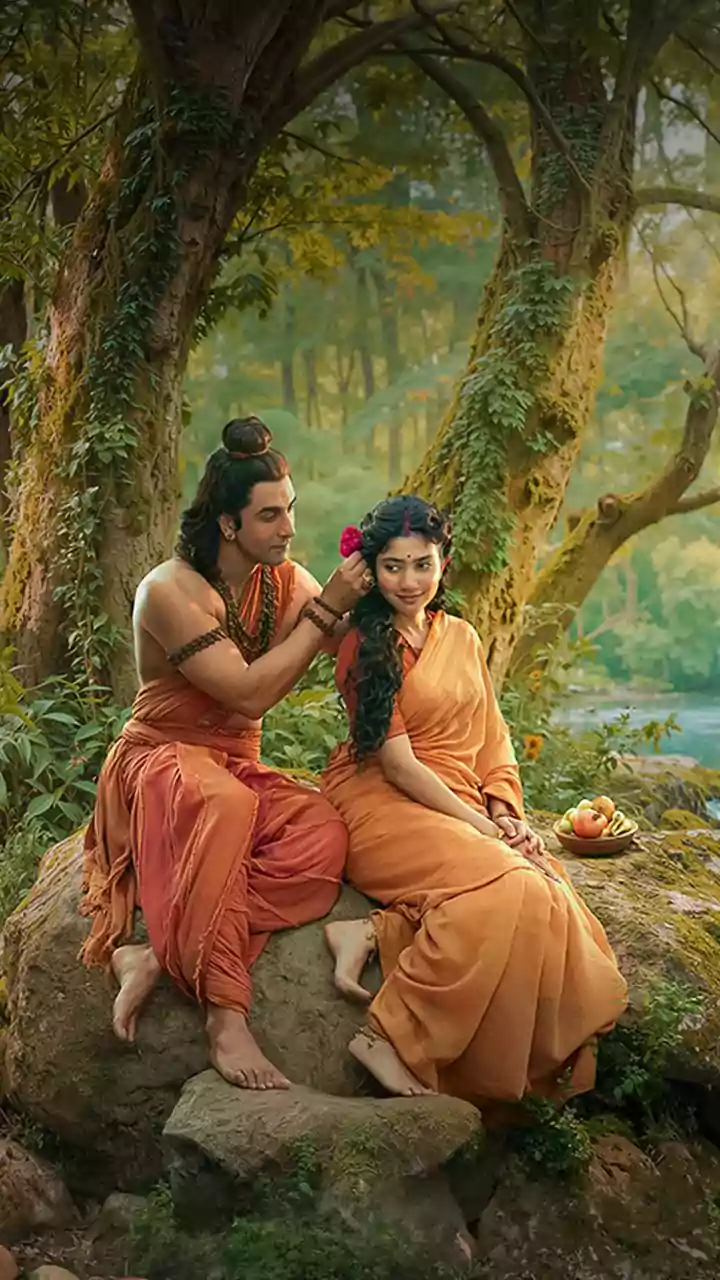
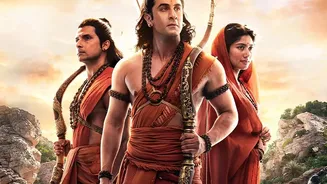
significant driver of this resurgence is Nitesh Tiwari's ambitious cinematic adaptation, 'Ramayana: Rise of a Legend'. Released in early November 2026, the film, starring Ranbir Kapoor as Lord Ram and Yash as Ravana, has become a global phenomenon. With a budget reportedly on par with major Hollywood productions, the film leverages cutting-edge visual effects to create a spectacle that appeals directly to a generation raised on high-concept fantasy. Early reactions from its Los Angeles premiere compared its scale to 'The Lord of the Rings'. This focus on a grand visual experience has been a key factor in drawing younger crowds who may be less familiar with previous, more traditional adaptations. The film's immense box office success, crossing ₹1,700 crore worldwide, confirms its widespread appeal.
Global Reach and Cultural Connection
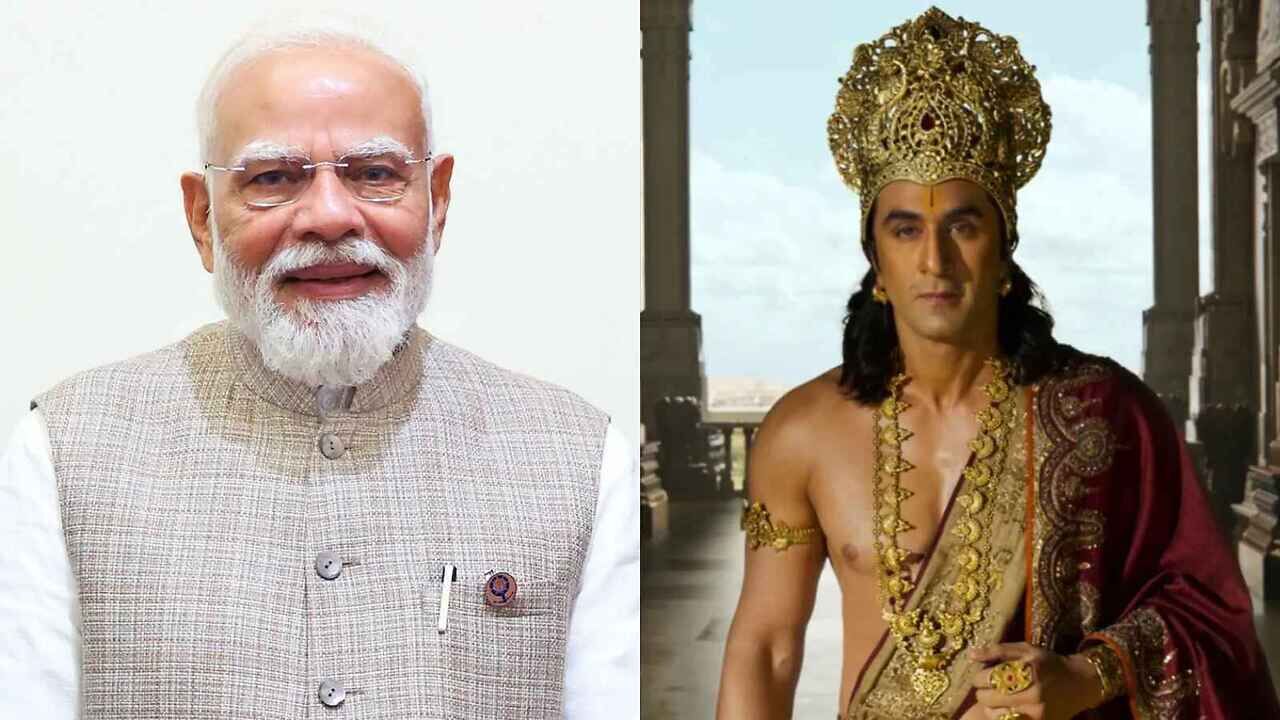
This isn't just a domestic success story; the Ramayana is resonating deeply with international audiences, including a significant youth demographic. The film has become the highest-grossing Indian movie in Thailand, breaking records previously held by other Bollywood blockbusters. In Indonesia, fans have shown up to theatres in elaborate costumes inspired by Hindu deities, turning movie screenings into cultural celebrations. This global engagement demonstrates that the epic’s themes are universal. For many in the diaspora, these new versions serve as a vital link to their heritage, presented in a format that is both accessible and entertaining. Prime Minister Narendra Modi recently noted that films and technology are helping the story of Ramayana reach the younger generation globally, even encouraging collaborations between young creators in India and Nepal to showcase their shared heritage.
The Power of Social Media
For Gen Z and millennials, if it's not on social media, it might as well not exist. The new 'Ramayana' has thrived in this environment. A recent study confirms that for over 73% of Gen Z, online trends are a major factor in their viewing choices. The film's dialogue and dramatic scenes have been repurposed into countless memes and viral video edits on platforms like Instagram and X (formerly Twitter). For example, a dialogue by Ravie Dubey, who plays Lakshman, became a widespread meme, bringing a lighthearted entry point into the epic for many young people. This digital buzz, driven by fan-made content, often outperforms official marketing, creating an organic and authentic wave of interest that is particularly effective with younger audiences.
A Search for Meaning and Morality
Beyond the spectacle and social media trends, the enduring appeal of the Ramayana lies in its core themes. In a complex and often chaotic world, the story's focus on dharma (righteousness), duty, sacrifice, and the ultimate triumph of good over evil provides a clear moral compass. For many young viewers, the journey of Lord Ram is not just an ancient story but a source of inspiration. While some critics debate the 'creative liberties' taken in modern adaptations, the fundamental narrative continues to resonate. The story offers a connection to cultural roots and a sense of timeless values, which many find grounding in a rapidly changing global landscape. This new generation of viewers is engaging with the epic not just as entertainment, but as a conversation about what it means to be heroic in any age.