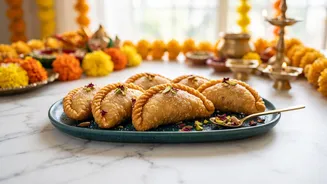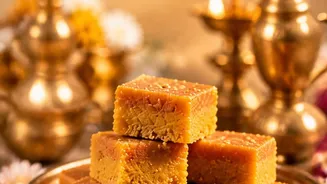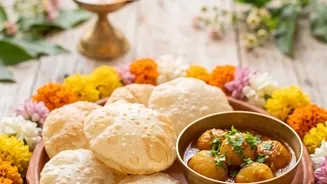





The aroma of freshly fried sweets is the hallmark of Diwali. Among the most beloved is the gujiya, a crescent-shaped pastry with a sweet, crumbly filling. While it may seem daunting, making gujiya at home is a rewarding family activity.
The Heart of the Festive Platter
Gujiya, also known
as karanji or ghughra in different parts of India, are sweet dumplings made with a crisp, flaky pastry shell filled with a rich mixture of khoya (milk solids), nuts, and aromatic spices. These half-moon delights are a staple during festivals like Holi and Diwali, signifying joy and celebration. While the store-bought versions are convenient, nothing compares to the taste and satisfaction of a homemade gujiya, crafted with care and shared with loved ones. This guide will walk you through creating these festive treats, focusing on the techniques that ensure a perfect result every time.
Gathering Your Ingredients
A great gujiya starts with quality ingredients. For the dough, you'll primarily need all-purpose flour (maida) and ghee. Some recipes suggest adding a little semolina (sooji) or rice flour for extra crispness. The filling is where the magic happens. The classic recipe calls for khoya (mawa), which is roasted until fragrant. To this, you add powdered sugar, chopped nuts like almonds, cashews, and pistachios, along with raisins and a hint of cardamom powder for fragrance. Ensure your khoya is at room temperature and the sugar is added only after the mawa has cooled completely to prevent the filling from becoming wet.
Crafting the Perfect Dough
The secret to a flaky, non-greasy gujiya shell lies in the dough. Start by rubbing ghee into the flour with your fingertips until it resembles breadcrumbs. This process, known as 'moyan', is crucial for a crisp texture. The amount of ghee is important; too much and the gujiyas will be crumbly, too little and they will be hard. Slowly add water or milk to knead a firm, smooth dough. It shouldn't be too soft, as this makes shaping difficult, nor too hard, which can cause cracks during frying. Once kneaded, cover the dough with a damp cloth and let it rest for at least 30 minutes. This rest period makes the dough more pliable and easier to roll.
The Art of Careful Folding
This is the step that defines the gujiya's signature look. After the dough has rested, divide it into small, equal-sized balls. Roll each ball into a thin circle, about 2–3 mm thick. Place a spoonful of the cooled filling onto one half of the circle, making sure not to overfill, which can cause the gujiya to burst while frying. Leave a clear margin around the edge. Apply a little water to the edges with your fingertip, then fold the other half over to create a semi–circle. Press the edges firmly to seal the filling inside. For a decorative and secure seal, you can either press the edges with a fork or use the traditional hand–pleating technique called 'goonthna', where you pinch and twist the edge from one end to the other. If you're a beginner, a gujiya mould can make this step much easier.
Frying to Golden Perfection
Proper frying is key to a crispy, evenly cooked gujiya. Heat oil or ghee in a deep pan over medium heat. The temperature is critical; if the oil is too hot, the gujiyas will brown quickly on the outside but remain raw inside. If it's not hot enough, they will absorb too much oil and become greasy. To test the temperature, drop a small piece of dough into the oil. It should sink and then rise gradually. Gently slide the gujiyas into the oil, frying them in small batches to avoid overcrowding. Fry on low to medium heat, turning them occasionally, until they are golden brown and crisp on both sides. This slow frying process can take 10–12 minutes per batch but ensures a perfect texture. Once done, remove them with a slotted spoon and place them on a paper towel to drain excess oil.
Tips for Success and Storage
To avoid common pitfalls, always ensure your filling is completely cool and dry before you begin. Keep the dough and the shaped gujiyas covered with a damp cloth to prevent them from drying out. If a gujiya opens while frying, remove it immediately to prevent the filling from spilling and burning in the oil. Once cooled completely, gujiyas can be stored in an airtight container for up to a week, allowing you to enjoy the fruits of your labor throughout the festive season. For a sweeter finish, some traditions involve dipping the fried gujiyas in a light sugar syrup, but this is optional.