
From Local Halwai to Packaged Powerhouses
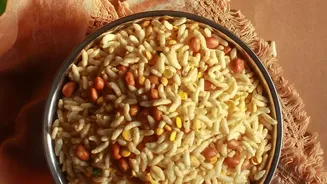
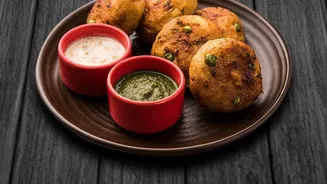
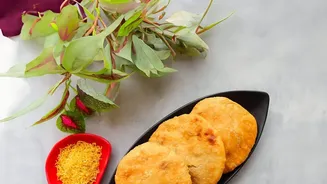
For decades, snacking in India was a largely unorganised affair. It meant a trip to the local kirana store for a packet of chips or visiting a neighbourhood halwai for fresh samosas and bhujia. While these traditional snacks remain beloved, the landscape
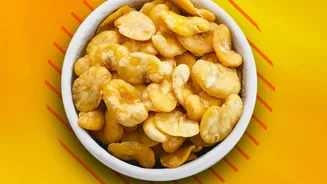
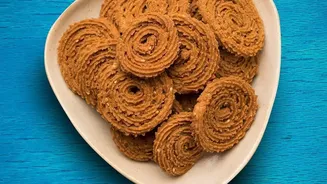
has fundamentally shifted. Rising disposable incomes, hectic urban lifestyles, and a growing awareness of what goes into our food have fuelled a massive expansion in the packaged snacks market. This segment, valued at over ₹50,000 crore in 2025, is now a battleground where legacy brands and nimble startups compete for the modern consumer's attention. Traditional products like chakli and banana chips are now found in branded, nitrogen-flushed packets with longer shelf lives, bridging the gap between nostalgic tastes and modern retail.
The Rise of the 'Better-for-You' Snack
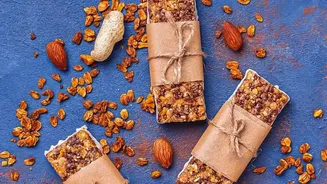
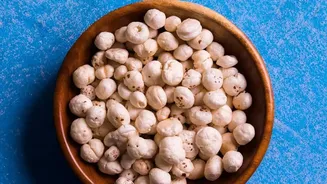
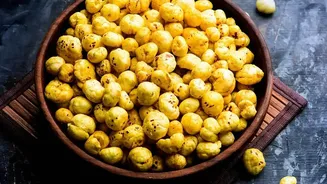
Perhaps the most significant driver of this evolution is the collective pivot towards health and wellness. Consumers are increasingly label-conscious, actively seeking out snacks that are baked instead of fried, low in fat and sugar, and free from preservatives. This has led to a boom in the healthy snacks category, which is projected to grow at a faster rate than the global average. Ingredients once confined to traditional kitchens are now headline features on snack packets. Millets like jowar and ragi, along with quinoa, chickpeas, and foxnuts (makhana), are being transformed into crunchy, savoury treats. Brands are prominently displaying claims like "gluten-free," "high-protein," and "no palm oil" to win the trust of health-savvy buyers, particularly Gen Z, who want snacks that align with their lifestyle and values.
Convenience is King
Modern life demands convenience, and the snack industry has responded accordingly. The rise of quick-commerce and online grocery platforms has made impulse snacking easier than ever, with snacks forming a significant chunk of 10-minute delivery orders. Packaging has also evolved to fit on-the-go consumption, with single-serving pouches becoming a dominant format. This caters to busy professionals, students, and anyone needing a quick bite between meals. Direct-to-consumer (D2C) brands have been particularly adept at leveraging this trend, cutting out the middleman to deliver a wide variety of innovative snacks directly to consumers' doorsteps, often using subscription models to foster loyalty.
Familiar Flavours, Modern Formats
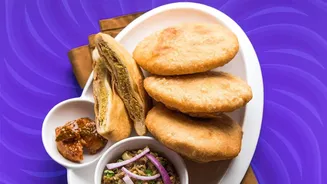
Despite the global health trends, the soul of the Indian snack remains rooted in its distinctive flavours. The real genius of the current evolution lies in blending the new with the old. Instead of abandoning traditional tastes, brands are giving them a modern, healthier makeover. Think of baked bhakarwadi, peri-peri flavoured makhana, or quinoa bhel. Even authentic regional specialities like Kerala banana chips are being produced with innovative processes to be crunchier and healthier while retaining their classic taste. This fusion approach satisfies the craving for familiar masala and spice while ticking the boxes of health and quality, proving that consumers want the best of both worlds: a snack that tastes like home but is made for the future.