



The Power of Visual Trust
The old adage “seeing is believing” has found its modern-day temple in YouTube. Unlike glossy brochure photos or curated social media posts, a well-made travel vlog offers a dynamic, ground-level view of a destination. A recent Google and Kantar report
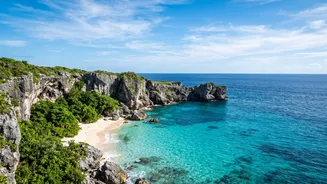
highlighted that video has become central to the discovery phase for Indian travelers. Viewers can virtually walk through a bustling market, gauge the real size of a hotel room, and see what a plate of local food actually looks like. This visual evidence builds a layer of trust that static images and text often can't match. It answers practical, unspoken questions: Is this street safe at night? Is that beach really as pristine as it looks? This ability to experience a place vicariously, with all its textures and sounds, makes the destination feel more tangible and the decision to visit, less of a gamble.
Relatability Over Celebrity
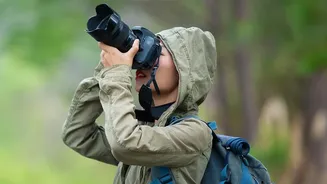
The rise of the YouTube travel creator marks a significant shift from aspirational celebrity endorsements to relatable, peer-like guidance. Studies show that a majority of Indian travelers trust content creators when planning their trips. These vloggers are often perceived not as distant stars, but as regular people sharing genuine experiences. They make mistakes, encounter challenges, and offer practical advice from a visitor’s perspective. This authenticity resonates deeply. A creator struggling to find a vegetarian meal in a remote town or sharing a budget breakdown, complete with ATM fees and local transport costs, provides invaluable, real-world information. This connection fosters a sense of community and trust, making their recommendations feel more like advice from a well-traveled friend than a corporate advertisement. It’s this human element that has become a key driver of influence.
A One-Stop Shop for Planning
YouTube's utility for travelers goes far beyond simple inspiration. The platform functions as a comprehensive planning engine. Creators often produce detailed, multi-part series on a single destination, covering everything from “Day 1 Itinerary in Goa” to “Best Budget Stays in Manali.” According to Google, YouTube has become the primary inspiration hub, while its search function serves as the critical touchpoint for detailed planning. Viewers can find videos reviewing specific airlines, demonstrating how to use a city’s metro system, or offering packing lists for a Himalayan trek. The comment section acts as a live forum where prospective travelers can ask specific questions and receive answers from both the creator and other viewers who have been there. This ecosystem turns a passive viewing experience into an active planning session, consolidating inspiration, logistics, and community advice in one place.
Content for Every Indian
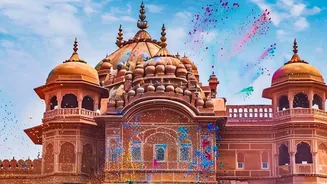
A crucial factor in YouTube's dominance is its linguistic diversity. Travel content is available in a vast array of Indian regional languages, breaking down barriers that once limited access to information. Someone from Tamil Nadu can find a detailed vlog about a trip to Kashmir in Tamil, making the content more accessible and relatable. This hyper-local approach caters to diverse audiences, including specific traveler types like religious pilgrims who can find visuals of temples and guidance in their native tongue. This proliferation of regional content ensures that no matter where you're from or what your budget is, there's likely a creator making videos that speak directly to your needs and cultural context, a feat traditional travel media has struggled to achieve on such a scale.
The Rise of Short-Form Inspiration
While long-form vlogs are the cornerstone of deep research, the emergence of formats like YouTube Shorts has supercharged the inspiration phase. These quick, engaging clips, often set to trending music, can introduce a viewer to a hidden waterfall, a unique cafe, or a stunning viewpoint in under 60 seconds. Two out of five travelers now use this short-form content for quick ideas. This snackable content acts as a digital postcard, planting the seed of a travel idea without requiring the time commitment of a full vlog. A traveler might be captivated by a Short of a vibrant festival, which then leads them to search for longer, more detailed vlogs about that destination, creating a seamless journey from discovery to deep planning.