




What Is Your Skin Barrier, Anyway?
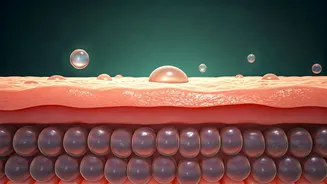
Think of your skin's outermost layer, the stratum corneum, as a brick wall. The skin cells are the 'bricks', and lipids (like ceramides, cholesterol, and fatty acids) are the 'mortar' holding them together. This is your skin barrier. Its job is crucial:
to keep good things, like moisture, in, and bad things, like pollutants, bacteria, and allergens, out. A healthy, intact barrier results in skin that looks and feels smooth, hydrated, and calm. When this 'mortar' crumbles, your skin becomes vulnerable, leading to a host of problems that seem to appear out of nowhere.
Why the Monsoon Is Its Enemy
The monsoon's signature high humidity is the primary culprit. It creates a deceptive feeling of hydration, causing many to skip moisturiser. However, the constant moisture in the air can actually disrupt your skin's natural balance. It leads to increased sebum (oil) production, which can clog pores. Sweat, mixed with environmental pollutants and grime, sits on the skin for longer in the damp weather. This combination of excess oil, sweat, and dirt creates the perfect breeding ground for bacteria, leading to acne and fungal infections, while simultaneously weakening the 'mortar' of your skin barrier.
Signs Your Barrier Is in Trouble
How can you tell if your skin's defence system is compromised? Look for tell-tale signs. Your skin might feel constantly tight and dry, even if it looks oily. You may experience increased sensitivity, redness, or itchy patches. Products that you normally use without issue might suddenly start to sting or cause irritation. Breakouts, especially small red bumps or acne, become more frequent. Your complexion might look dull and lacklustre, and you may notice flaky spots. These are all SOS signals from your skin, indicating that its protective barrier needs immediate support.
Step 1: Rebuild with a Gentle Cleanse
The first step to repair is to stop stripping your skin. Harsh, foaming cleansers that leave your skin feeling 'squeaky clean' are actually removing the essential lipids that form your barrier. During the monsoon, switch to a gentle, pH-balanced, non-foaming cleanser. Look for creamy or gel-based formulas that effectively remove dirt and excess oil without disrupting the skin's delicate balance. Double cleansing in the evening—using an oil-based cleanser first, followed by a water-based one—is an excellent way to melt away sunscreen, makeup, and grime without being aggressive.
Step 2: Master Monsoon Moisturising
Yes, you absolutely need to moisturise in the monsoon. The trick is to use the right kind. In high humidity, heavy, occlusive creams can feel suffocating and clog pores. Instead, opt for lightweight, non-comedogenic moisturisers. Gel-based or water-based formulas are your best friends. Look for ingredients like hyaluronic acid, which draws moisture into the skin without feeling heavy, and glycerine. These humectants will keep your skin hydrated from within. Applying your moisturiser to slightly damp skin helps lock in that hydration for a plump, healthy look.
Step 3: Add Barrier-Repairing Ingredients
To actively rebuild the 'mortar' of your skin barrier, incorporate products with specific hero ingredients. Ceramides are non-negotiable; they are lipids that are naturally part of your skin barrier, so applying them topically directly helps replenish what's lost. Niacinamide (a form of Vitamin B3) is another superstar—it helps improve barrier function, reduces inflammation, and regulates oil production. Antioxidants like Vitamin C can protect the skin from environmental damage, while ingredients like panthenol (Vitamin B5) and centella asiatica soothe and repair.
Step 4: Know What to Avoid
While repairing your barrier, it's just as important to know what to stop doing. Put a pause on harsh physical scrubs and potent chemical exfoliants like high-concentration AHAs and BHAs. Over-exfoliation is one of the fastest ways to destroy your skin barrier. Also, be wary of using too many active ingredients at once, as this can overwhelm and irritate the skin. Avoid products with high concentrations of alcohol or fragrance, as these can be drying and sensitising. For now, your mantra should be: less is more. Focus on a simple routine of cleansing, hydrating, and protecting.