



A Monsoon Missing Its Mark
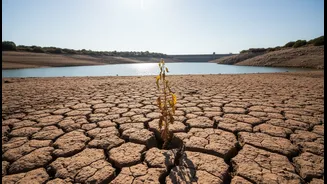
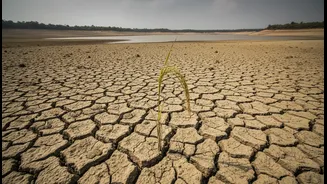
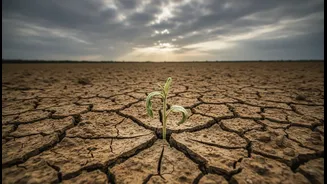
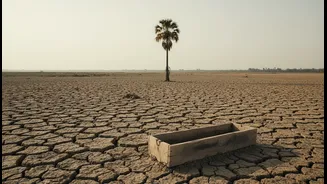
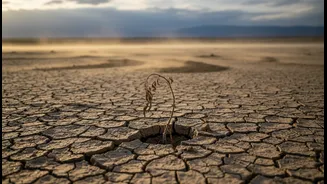
June 2026 began as one of Goa's driest starts to the monsoon in recent memory. By the third week, the India Meteorological Department (IMD) reported a staggering rainfall deficit of over 70 percent. While heavy showers in the final days of the month helped
narrow the gap to around 34 percent, it wasn't enough to fully compensate for the prolonged dry spell. The weak start has had a knock-on effect, with the overall seasonal deficit standing at 26.7% as of July 9, as the monsoon weakened again after a brief revival. This has left Goa in a precarious position, with impacts rippling across daily life, agriculture, and the vital tourism sector.
Reservoirs and Residents on Edge
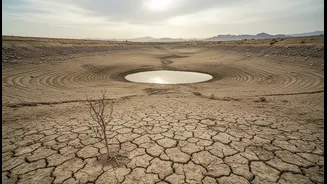
For residents, the most immediate concern is drinking water. The state's reservoirs, which depend on monsoon rains to fill up for the year, are lagging significantly behind their normal schedules. By early July, Goa's largest reservoir, the Selaulim Dam, was only about 42.5% full. Typically, the dam reaches its full capacity and begins to overflow by July 7, a popular spectacle for visitors, but officials now suggest this may not happen until August. Other dams like Anjunem were only 15% full. While authorities have stated there is no immediate drinking water crisis, the low water levels in early June prompted concerns about supply for the coming months and a focus on better water management. The deficit also affects electricity generation from the state's hydroelectric-equipped dams.
Anxiety in the Agricultural Heartlands
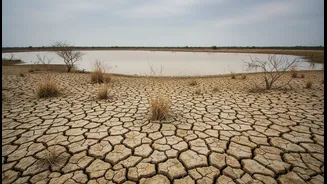
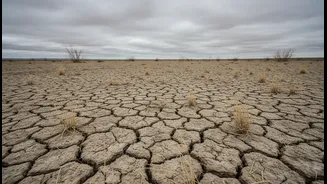
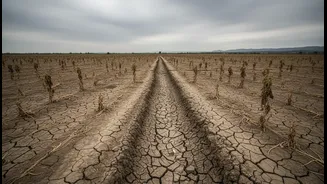
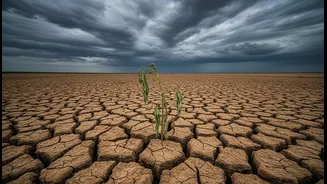
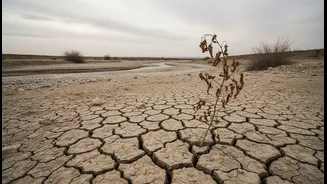
Goa's agricultural rhythm is intrinsically tied to the monsoon, and the deficient rains have thrown it off balance. Farmers who would normally be busy transplanting paddy seedlings have been forced to hold back, staring at parched fields. The soil moisture was insufficient for sowing, and agricultural activities in several villages came to a standstill. Farmer groups in South Goa expressed fears that crops would wither if the monsoon didn't revive in time. The weak monsoon doesn't just impact the current kharif crop; it threatens the entire agricultural year by failing to adequately recharge the ponds, wells, and aquifers needed for the subsequent rabi (winter) and summer horticulture seasons.
What Travellers and Tourism Businesses Are Missing
Monsoon tourism has been a growing focus for Goa, promoted as an opportunity to see the state transformed into a green paradise. However, the key attractions of this season are directly threatened by the lack of rain. The famous waterfalls, a major draw for monsoon trekkers, require strong rainfall to achieve their full, cascading glory. Travel guides often advise waiting until mid-July for the best waterfall experiences, a timeline that now seems uncertain. The quintessential monsoon atmosphere—misty roads, lush greenery, and the raw beauty of a rain-drenched landscape—is diluted. For tourism businesses, this translates to economic anxiety. While many cafes and hotels remain open, the muted monsoon can impact occupancy rates and the specific nature-based activities they offer. The delayed overflow of the Selaulim Dam, for example, means missing out on an annual tourist attraction.