
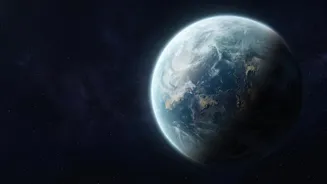
A Milestone on a 'Super-Earth'
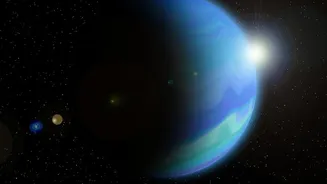
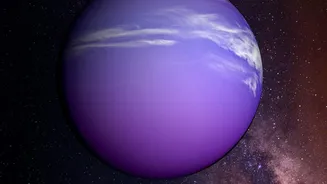
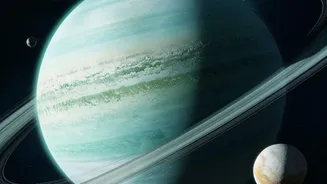
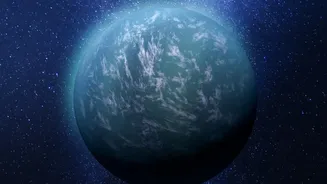
The latest breakthrough comes from a 'super-Earth' named GJ 9827 d, located approximately 97 light-years away. While previous water detections by JWST have involved gas giants, this is the smallest and rockiest exoplanet to date where water vapour has
been definitively identified. The planet is about twice the diameter of Earth but orbits incredibly close to its star, resulting in scorching surface temperatures of around 425 degrees Celsius. This intense heat means GJ 9827 d is more of a 'steam world' than a potential home for life. However, the discovery is not about the habitability of this specific planet, but what it proves about our technological reach. It confirms that Webb can successfully identify key molecules on smaller, terrestrial-type worlds, a crucial step forward in planetary science.
How Webb Reads a Planet's Atmosphere
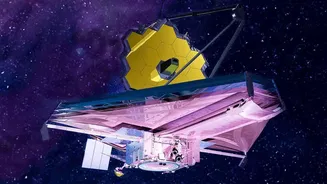
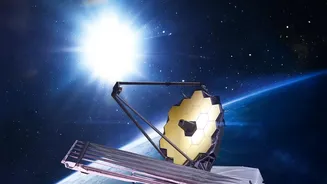
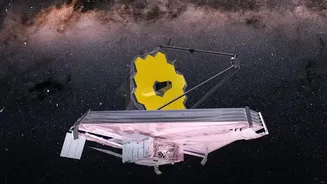
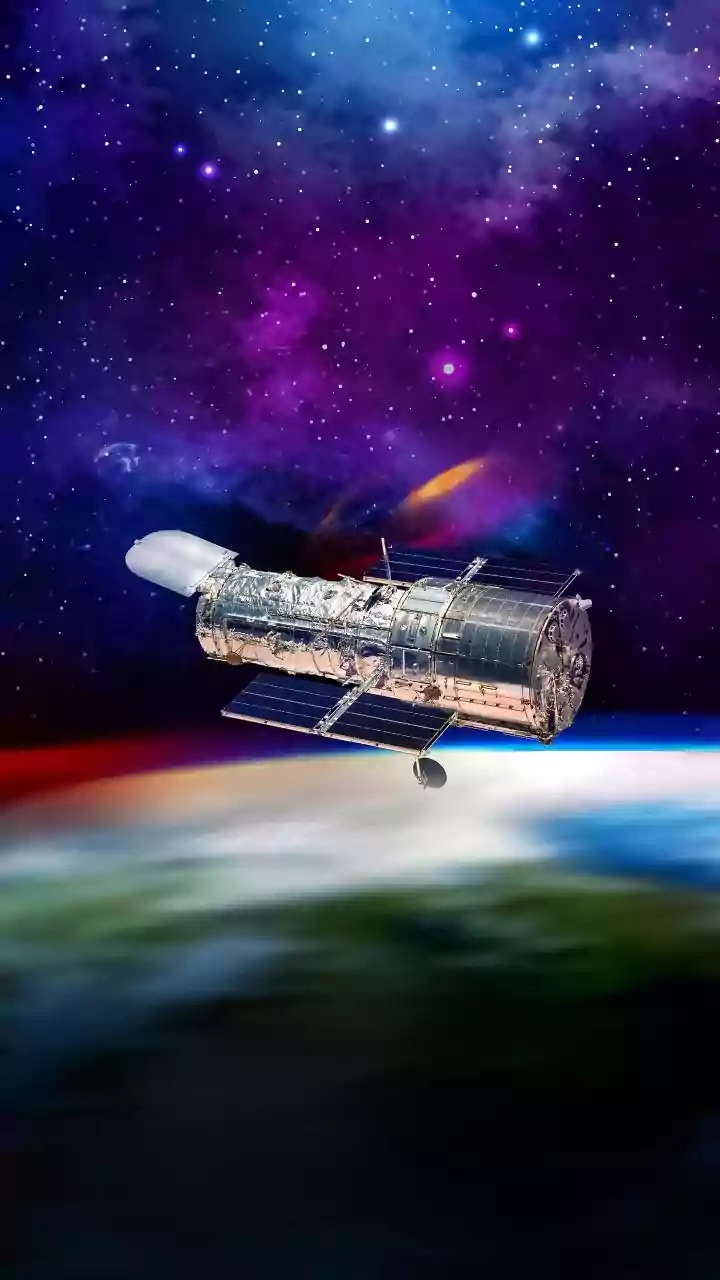
Detecting atmospheric components from nearly 100 light-years away is a remarkable feat of engineering and science. JWST achieves this using a technique called transmission spectroscopy. When an exoplanet passes in front of its host star from our perspective, a tiny fraction of the starlight filters through the planet's atmosphere. Different gases and molecules in that atmosphere absorb specific wavelengths, or colours, of light. This creates a unique chemical 'fingerprint' or barcode in the starlight that reaches the telescope. By analysing this spectrum, astronomers can decipher exactly what elements are present. In the case of GJ 9827 d, Webb's sensitive infrared instruments captured the unmistakable signature of water vapour, confirming what the Hubble Space Telescope had only hinted at before.
A Crucial Proof of Concept
The real excitement among scientists lies in what this achievement represents. Finding water on a rocky exoplanet, even an uninhabitably hot one, is a vital proof of concept. It demonstrates that JWST possesses the power and precision required to perform similar investigations on Earth-sized planets orbiting in their star's 'habitable zone'—the region where conditions could allow for liquid water to exist on the surface. Each discovery, whether it's complex chemistry on a 'hot Saturn' like WASP-39 b or water on a super-Earth like GJ 9827 d, serves as a critical test and refinement of the tools and methods astronomers will use in the search for truly habitable worlds. It moves the goalpost from simply finding planets to being able to characterize them in detail.
Paving the Way to Finding Habitable Worlds
Ultimately, the goal is to find a planet with an atmosphere that could support life as we know it. This means looking for a cocktail of gases, including water vapour, oxygen, methane, and carbon dioxide. The detection of water on GJ 9827 d is a foundational step in building a catalogue of planetary atmospheres across the galaxy. It helps scientists understand how planets form and retain their atmospheres under different conditions. Some worlds may be water-rich from their formation, while others may have it delivered by comets and asteroids. Understanding these processes on uninhabitable planets provides the necessary context for when, or if, we finally find a promising signal from a small, rocky planet at just the right distance from its star. This discovery isn't the final destination, but an essential milestone on the journey.