







The White Scourge on the Land
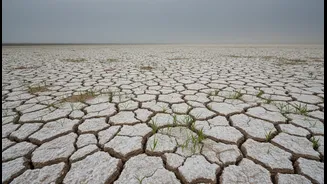
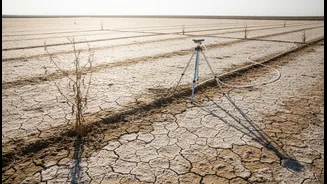
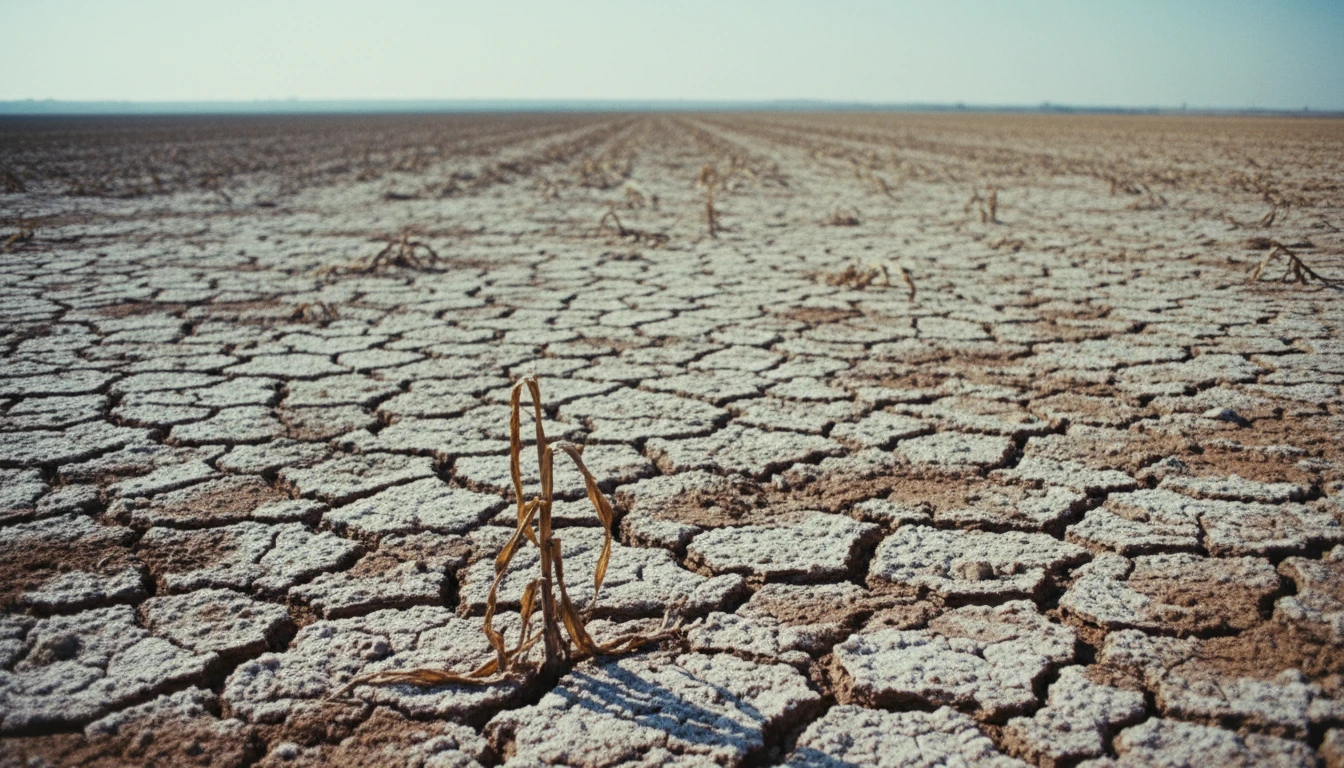
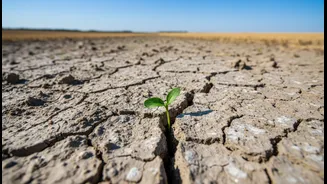
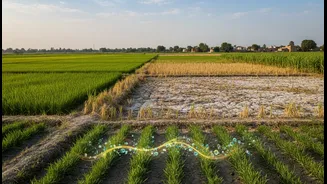
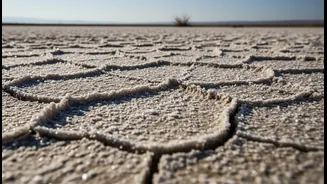
Soil salinity is the increasing concentration of soluble salts in the soil. On the surface, it can appear as a white or grey crust. Underneath, these salts—primarily sodium, calcium, and magnesium—make it difficult for plants to absorb water, even when
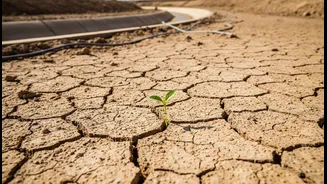
the ground is moist. This creates a state of 'physiological drought', where crops struggle to survive, leading to stunted growth, yellowing leaves, and poor germination. While it is a natural process in arid regions, human activities have dramatically accelerated its spread across India.
A Crisis of Our Own Making
Several factors contribute to rising soil salinity in India. The Green Revolution, while boosting food production, also led to intensive irrigation. In many areas, the use of brackish or saline groundwater for irrigation deposits salt into the soil season after season. Poor drainage and over-irrigation cause the water table to rise, bringing dissolved salts to the surface where they remain after evaporation. The overuse of certain chemical fertilisers, many of which are salt-based, further exacerbates the problem. Climate change adds another layer of stress; rising sea levels lead to saltwater intrusion in coastal aquifers, and erratic weather patterns with long dry spells concentrate salts in the topsoil.
The High Cost of Salt
The consequences of soil salinity are dire. Currently, about 6.7 million hectares of land in India are affected by salt, an area roughly 2.1% of the country's landmass. States like Gujarat, Uttar Pradesh, and Maharashtra are among the worst hit. This degradation leads to staggering economic and social costs. India loses an estimated 16.8 million tonnes of crops annually due to soil salinity and sodicity, a related issue. For individual farmers, this translates to devastating yield losses, sometimes over 50%, pushing them into a vicious cycle of debt as they spend more on fertilisers for diminishing returns. The problem is projected to worsen, with some estimates suggesting that up to half of India's arable land could be salt-affected by 2050, posing a grave threat to national food security.
The Race for Solutions
Thankfully, the situation is not hopeless. The Indian government has set a target to restore 26 million hectares of degraded land by 2030. Initiatives like the Soil Health Card scheme aim to promote balanced fertiliser use. Scientists at institutions like the Central Soil Salinity Research Institute (CSSRI) are developing and promoting crucial technologies. These include methods for reclaiming soil, such as gypsum application for sodic soils and improved drainage systems to leach salts away. There is also a strong push towards cultivating salt-tolerant crop varieties, including specific types of rice, wheat, and mustard that can thrive in these challenging conditions. Furthermore, a return to more sustainable practices, such as using organic manure, crop rotation, and precision irrigation techniques like drip systems, can help manage and even reverse the damage over time.