






What Exactly Are These Coatings?
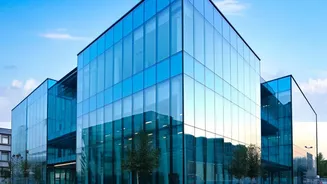
Heat-reflecting window coatings are ultra-thin layers applied to glass to control how much of the sun's energy passes through. Think of them as sunglasses for your building. These are not just simple tints that darken a room; they are technologically
advanced solutions designed to be selective. The most common forms are adhesive films that can be retrofitted onto existing windows, and low-emissivity (or Low-E) coatings, which are microscopically thin metallic layers applied to the glass during manufacturing. Both are engineered to tackle the invisible parts of sunlight that generate the most heat, creating a more comfortable indoor environment.
The Science of Staying Cool
The magic lies in selectively managing the solar spectrum. Sunlight is composed of visible light (what we see), ultraviolet (UV) radiation, and infrared (IR) radiation (which we feel as heat). Dark, traditional windows absorb this energy and radiate it into the room, heating it up. Smart coatings, however, are designed to reflect a large portion of the sun's infrared rays. They contain microscopic metallic or ceramic particles that act like a mirror to this heat energy, bouncing it back outside before it can warm up your living space. This is done while still allowing a high percentage of visible light to pass through, so you get a cooler room without sacrificing natural daylight.
The Big Payoff: Lower AC Bills
For anyone living in an Indian city, the biggest and most immediate benefit is a noticeable reduction in cooling costs. By preventing a significant amount of solar heat from entering your home, these coatings reduce the burden on your air conditioning system. Your AC doesn't have to work as hard or run as long to maintain a comfortable temperature, which can lead to significant energy savings, potentially reducing cooling-related energy consumption by 10% to 30%. In the long run, this not only saves money on electricity bills but also reduces wear and tear on your AC unit, extending its lifespan.
More Than Just Heat Rejection
The benefits don't stop at temperature control. One of the most important secondary advantages is the blocking of harmful UV radiation. Most high-quality solar films and Low-E coatings block 99% or more of UV rays. This is crucial for protecting your interiors—it prevents expensive furniture, curtains, artwork, and wooden flooring from fading over time. These coatings also significantly reduce glare, making it more comfortable to watch television or work on a computer screen near a window without annoying reflections.
Choosing the Right Film for Your Home
There are several types of coatings available in the Indian market, each with different properties. Reflective or mirrored films offer the highest heat rejection and daytime privacy, but the mirrored look isn't for everyone. Ceramic films are a popular premium option; they use non-metallic nano-ceramic particles to reject heat effectively without a reflective finish, maintaining clear views. Low-E films are excellent all-rounders, helping to keep heat out in the summer and retain indoor warmth during the milder winter months, making them suitable for mixed climates. Brands like 3M, Garware, and Saint-Gobain offer a range of these products in India, with prices varying based on the technology.
Things to Consider Before You Buy
While the benefits are clear, it's an investment. The cost in India can range from ₹75 to over ₹250 per square foot, depending on the brand and type of film. It's also crucial to have the film installed by a professional. Improper application can lead to bubbles, peeling, and reduced effectiveness. Finally, consider your needs: a west-facing bedroom that gets intense afternoon sun might benefit from a high-performance reflective film, while a living room where you want to preserve the view might be better suited for a clear ceramic or Low-E film.