

The Comeback Kid of Cardio
Imagine cross-country skiing, but without the snow or skis. That's Nordic walking in a nutshell. Originally developed in Finland as a summer training method for elite skiers, this activity is now being embraced by people of all ages and fitness levels.
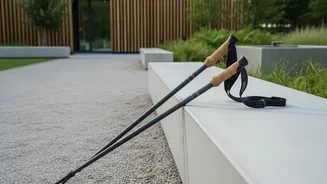
It involves walking with specially designed poles that are used to propel you forward. Unlike trekking poles used for stability on hikes, Nordic poles are actively used with each stride to engage the upper body, turning a regular walk into a comprehensive workout. The technique involves planting the poles at an angle behind you, mimicking the rhythmic, opposite arm-and-leg motion of natural walking. This simple addition is helping the activity find a fresh wave of popularity among those seeking an effective, low-impact exercise.
More Than Just a Walk
The magic of Nordic walking lies in its ability to engage around 80% to 90% of your body's muscles, compared to just 50% with regular walking. When you walk normally, the work is primarily done by your legs. By adding the poles and pushing off with your arms, you activate the muscles in your shoulders, back, chest, and core. This increased muscle engagement is the engine behind its enhanced benefits. Full-body workouts are known to be highly efficient, improving overall strength, balance, and cardiovascular health simultaneously. By recruiting more muscles, your body demands more oxygen and energy, which leads to a higher calorie burn and a more significant boost to your metabolism.
What the Research Says
The science backs up the hype. Studies have consistently shown that Nordic walking can burn anywhere from 18% to 67% more calories than walking without poles at the same pace. One study found a 20% increase in calorie burn, while another noted a rise of up to 46%. But the benefits don't stop there. Research has linked Nordic walking to a wealth of health improvements, including reductions in 'bad' LDL cholesterol, anxiety, and chronic pain. It also helps increase 'good' HDL cholesterol, improves flexibility, and builds upper-body strength. A particularly appealing aspect is that while your body is working much harder, your perceived effort doesn't necessarily increase by the same amount, making it feel less strenuous than it actually is.
It's Not Just About Nordic Walking
While Nordic walking is a fantastic example, the core principle is universal: incorporating your upper body into cardio workouts is a game-changer for overall fitness. Activities like rowing and swimming have long been praised for their full-body benefits. Even certain high-intensity interval training (HIIT) routines that combine cardio with upper-body strength movements deliver similar advantages. The key takeaway is that moving beyond leg-dominant exercises provides a more balanced and efficient path to fitness. It builds functional strength that translates to everyday activities, improves posture, and ensures no muscle group gets left behind.
How to Begin Your Journey
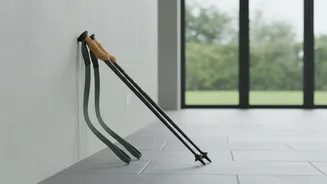
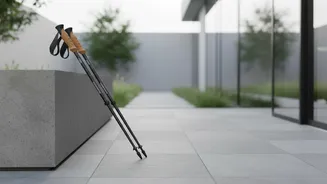
Getting started with Nordic walking is simple. The most crucial gear is a pair of proper Nordic walking poles, which differ from hiking poles. To find the right height, multiply your height in centimetres by 0.68, or simply ensure your elbow is at a 90-degree angle when holding the pole upright. The basic technique involves walking with a straight posture, looking forward, and keeping your shoulders relaxed. Your arms and legs move in opposition: as your right foot steps forward, your left arm swings forward to plant the pole. The pole should be planted at an angle behind you, and you push off through the strap to propel yourself forward. Many local clubs and senior centres now offer introductory sessions, and online videos can also help you master the form.