



Master the Basics: The Perfect Seal
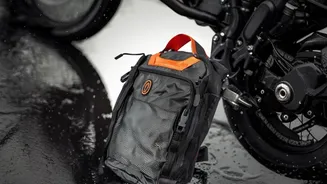
A dry bag is only as good as its seal. Before you can trust it with your valuables, you need to close it correctly. First, ensure the stiff strips at the opening are clean and aligned. Press the bag to push out most of the air, but don't vacuum it completely;
a little trapped air adds buoyancy. Then, tightly fold or roll the top down at least three times. This creates a barrier that water can't easily penetrate. Finally, clip the buckle. Remember, the folds create the seal, while the buckle simply keeps it from unrolling.
Double-Bag Your Electronics for Extra Security
When it comes to expensive electronics like cameras, phones, and GPS devices, one layer of protection might not be enough, especially in heavy rain or during water activities. For maximum peace of mind, use the double-bagging method. Place your device in a small, properly sealed dry bag, and then put that entire bag inside a second, larger dry bag. This creates a redundant seal that can withstand brief submersion and protects against condensation, which can form inside a single bag when temperatures change. For truly sensitive gear, some manufacturers offer special Faraday dry bags that also block wireless signals.
Organise and Compress Your Packing
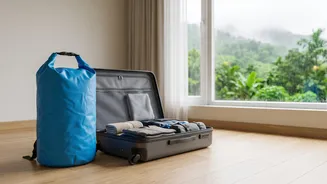
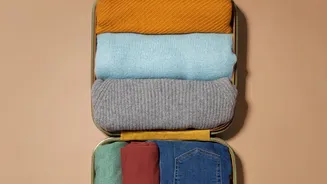
Think of dry bags as next-level packing cubes. Instead of just organising your clothes, they also protect them from accidental toiletry spills and can significantly compress bulky items like sweaters and jackets. Many travellers use multiple small dry bags to separate clean clothes from dirty ones or to categorise outfits. Some dry bags are even specifically designed with air-permeable fabric on the bottom, allowing you to squeeze out all the air and reduce the volume of your sleeping bag or puffy jacket, saving precious space in your backpack.
Create a Portable Washing Machine
One of the most ingenious dry bag hacks is turning it into a makeshift washing machine, perfect for long trips or remote locations. Simply put your dirty clothes inside, add water and a small amount of soap, seal the bag, and shake or knead it for a few minutes. Let it soak for a while, then empty the soapy water, refill with clean water to rinse, and repeat until the soap is gone. It’s a self-sufficient way to have fresh clothes anywhere, reducing the amount you need to pack.
Contain Wet, Smelly, or Dirty Gear
After a day at the beach or a muddy hike, the last thing you want is to mix damp, sandy, or smelly clothes with your clean items. A dry bag is the perfect solution for quarantining used gear. Throw wet swimsuits, sweaty gym clothes, or muddy shoes inside to keep moisture and odours contained. This protects the rest of your luggage and keeps your hotel room or tent fresh until you can do laundry.
Improvise a Camp Pillow or Bucket
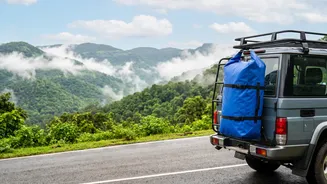
Your dry bag's usefulness extends beyond just storage. If you forget your travel pillow, simply fill a dry bag with soft clothes, trap some air inside, and seal it. You’ll have a surprisingly comfortable place to rest your head. If you need to haul water to your campsite for cooking or cleaning, a durable dry bag can serve as a makeshift bucket. Its waterproof construction works just as well to keep water in as it does to keep it out.
Use as a Buoyancy Aid or Cooler
When properly sealed with air trapped inside, a dry bag will float. This makes it a useful, informal buoyancy aid if you're out on the water. While it's no substitute for a proper life vest, it can provide some support. For a more recreational use, you can turn your dry bag into a floating cooler. Fill it with ice and drinks, seal it tight, and you have a convenient way to keep beverages cold during a day at the lake or a gentle river float.