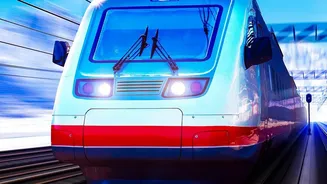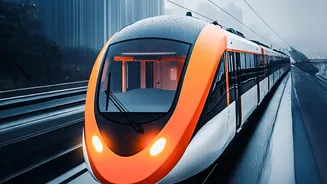





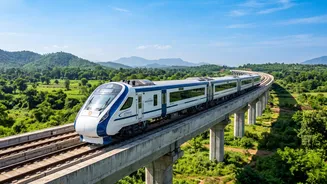
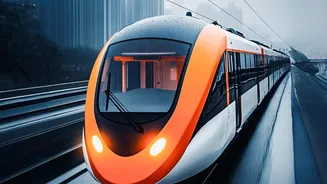
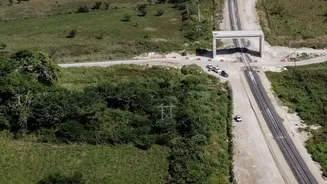
India's long-held ambition of a high-speed rail network is shifting from blueprint to reality. The first operational segment of the bullet train project is set to launch in Gujarat, promising to slash travel times and redefine regional connectivity.
A Landmark Moment for Indian Railways
The
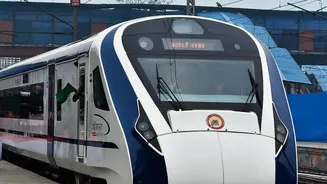
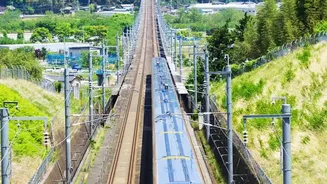
first commercial service of India's bullet train is scheduled to begin operations in the final quarter of 2027 on the approximately 100-kilometre stretch between Surat and Vapi in Gujarat. This milestone marks the first phase of the ambitious 508-kilometre Mumbai-Ahmedabad High-Speed Rail (MAHSR) corridor. Railway Minister Ashwini Vaishnaw confirmed the timeline, noting that this initial launch will be preceded by trial runs on the 50-km Surat-Bilimora section starting around May 2027. This phased approach allows the National High Speed Rail Corporation Limited (NHSRCL), the body executing the project, to test systems and begin commercial operations on sections where construction is most advanced. The project has already achieved significant progress, with the overhead electrical systems on the Surat-Bilimora stretch being successfully energised in November 2026.
Why This Gujarat Corridor First?
The decision to prioritise the Surat-Vapi section is a strategic one, driven by both progress and practicality. Construction in Gujarat, including the completion of viaducts and station structures, has moved at a faster pace compared to the section in Maharashtra. This part of Gujarat is a densely packed industrial and commercial corridor, where demand for faster and more efficient travel is exceptionally high. Launching here provides an immediate, high-impact use case for high-speed rail. By opening this segment first, Indian Railways can demonstrate the capabilities of the system, gather operational data, and generate momentum while the more complex parts of the project, like the undersea tunnel in Maharashtra, are completed. This approach aims to deliver tangible results sooner, rather than waiting for the entire 508-km line to be ready.
The Shinkansen Experience, Made for India
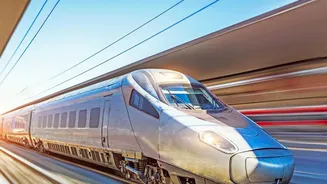
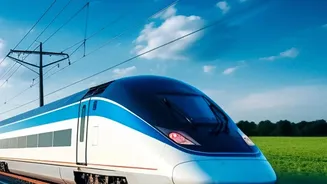
The MAHSR project is being developed with technological assistance from Japan, utilising its world-renowned Shinkansen system. The trains are designed to operate at a maximum speed of 320 km/h, which will dramatically reduce travel times. While the project benefits from Japanese expertise, a significant push for domestic manufacturing is underway. An indigenous high-speed trainset, designated B28, is being developed by the Integral Coach Factory (ICF) and BEML. This train, designed for speeds of up to 280 km/h, is expected to be used for the initial trials. The infrastructure itself is state-of-the-art, employing a sophisticated 2x25 kV overhead electrification system to power the trains. To minimise disturbance to residents along the route, hundreds of thousands of noise barriers have also been installed.
Economic Ripple Effects for the Region
The bullet train is more than just a transportation project; it's an economic catalyst. For cities like Surat and Vapi, already major industrial centres, high-speed connectivity is expected to spur further growth. Experts predict a significant positive impact on the real estate market, with improved accessibility making these areas more attractive for both residential and commercial investment. The ease of travel between key business hubs is likely to attract new businesses, boost property values, and create employment opportunities. By connecting production centres with financial hubs like Mumbai more efficiently, the corridor aims to enhance overall economic productivity in Western India. The project's influence is expected to mirror the developmental impact seen in other countries with extensive high-speed rail networks, fostering urban development at stations along the route.
The Full Picture: Connecting to Mumbai
While the launch in Gujarat is a monumental step, the ultimate goal remains the completion of the entire Mumbai-Ahmedabad corridor. The project has faced delays, particularly in Maharashtra, due to challenges in land acquisition and the complex engineering required for an undersea tunnel. This 21-km tunnel, which includes a 7-km section under Thane Creek, is a first for India's railway system and involves massive Tunnel Boring Machines (TBMs). Following the Surat-Vapi opening, the service is expected to extend to Thane by 2029, with the final connection to Mumbai completing the line. Once fully operational, the bullet train will reduce the journey between Mumbai and Ahmedabad from over eight hours by road to just under two hours, revolutionising inter-city travel in the region.