






The Challenge of Ageing Muscles
As we grow older, maintaining muscle strength becomes a cornerstone of healthy ageing. Strong muscles are essential for everything from walking and lifting groceries to maintaining metabolic health and recovering from illness. However, starting in middle
age, most people experience a gradual decline in muscle mass and function, a condition known as sarcopenia. This decline isn't just about feeling less powerful; it increases the risk of falls, fractures, and a loss of independence that can significantly impact quality of life. For years, doctors have recommended exercise to combat this, but the precise biological reasons it worked so well remained partially understood.
A Molecular 'Reset Button'
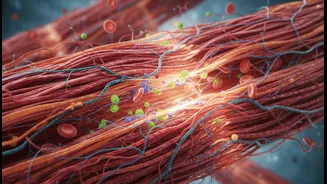
Scientists at Duke-NUS Medical School, in collaboration with Singapore General Hospital and Cardiff University, have identified a key molecular process that explains why our muscles weaken and how exercise can reverse it. Their findings, published in the Proceedings of the National Academy of Sciences, pinpoint a gene called DEAF1. The researchers discovered that as we age, levels of DEAF1 rise, pushing a crucial muscle growth pathway, mTORC1, into a state of chronic overdrive. While mTORC1 is vital for building muscle when we are young, its constant activation in older age disrupts the delicate balance of protein turnover, preventing muscle cells from clearing out damaged components and repairing themselves efficiently.
How Exercise Flips the Switch
This is where physical activity works its magic. The study revealed that exercise acts like a molecular 'reset button'. Physical activity activates a set of protective 'longevity genes' known as FOXOs. These genes act as a brake on DEAF1, lowering its levels. When DEAF1 is suppressed, the overactive mTORC1 pathway calms down, restoring the balance between growth and maintenance. This allows ageing muscle cells to resume their essential housekeeping duties: clearing out damaged proteins and rebuilding themselves properly. According to the study's lead author, Assistant Professor Tang Hong-Wen, this helps muscles stay stronger and more resilient.
What Kind of Exercise Works Best?
While the Duke-NUS study highlights the molecular benefits of physical activity in general, other research points to specific types of exercise being particularly effective for muscle health. A combination of resistance training (like lifting weights or using resistance bands) and aerobic exercise is often recommended. Resistance exercise is crucial for building and maintaining muscle mass and strength. Furthermore, some studies suggest that high-intensity interval training (HIIT), which involves short bursts of intense effort followed by brief recovery periods, can be uniquely effective at reducing fat while preserving muscle mass in older adults. The key is consistency and choosing activities that you can perform safely.
Putting the Science into Practice
Understanding the science is one thing, but applying it is what matters. To harness these benefits, aim for regular physical activity. If you're new to exercise, start slowly. A brisk walk is a great entry point for improving aerobic health. To build muscle, consider incorporating simple bodyweight exercises like squats, lunges, and push-ups (which can be done against a wall). As you get stronger, you can introduce light weights or resistance bands. The goal is to challenge your muscles progressively. Activities like yoga and tai chi can also improve strength, flexibility, and balance, which is crucial for preventing falls.