







Why Your Fruit Choices Matter in Monsoon
The rainy season creates the perfect breeding ground for bacteria and fungi. High moisture in the air can cause fruits to spoil faster, while contaminated water increases the risk of water-borne illnesses. Fruits with high water content, like melons,
and those with porous or difficult-to-clean skins, like berries and grapes, are more susceptible to contamination. Pre-cut fruits sold by street vendors are also a significant risk. A slower digestive system during this season means that eating the wrong fruit can lead to bloating, indigestion, or more serious stomach infections. Focusing on fruits that are easy to clean, have thick skins, and boost immunity can help you navigate the season safely.
Apple: The All-Season Immunity Booster
An apple a day is sound advice, especially during the monsoon. Apples are rich in dietary fibre, which aids digestion at a time when the system can be sluggish. They are packed with antioxidants and vitamin C, crucial for strengthening your immune system to fight off common seasonal colds and flu. Their relatively thick skin offers better protection against contaminants, provided they are washed thoroughly before consumption. This makes them a reliable and nutrient-dense choice for a healthy snack.
Pomegranate: A Powerhouse of Antioxidants
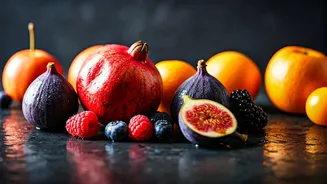
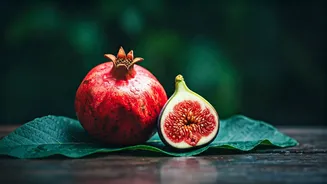
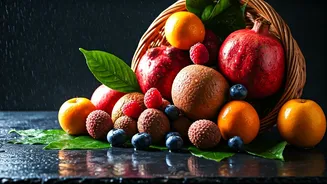
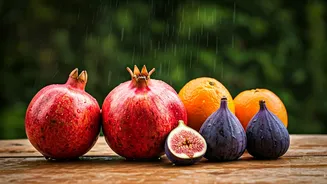
Pomegranate seeds are tiny jewels packed with health benefits. They are exceptionally rich in antioxidants that bolster your body's defences. Nutritionists favour pomegranates during the monsoon as they help increase haemoglobin and improve blood circulation. Their anti-inflammatory properties are also beneficial for overall health. Since the edible seeds are well-protected inside a thick rind, they are shielded from external contaminants, making them a safe and smart choice for the rainy season.
Jamun: The quintessential Monsoon Superfruit
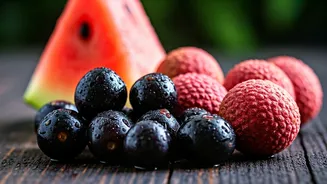
Jamun, or the Indian blackberry, is a seasonal star for good reason. It possesses antibacterial properties that can help prevent common digestive issues and infections that arise during the monsoon. Rich in vitamin C, iron, potassium, and antioxidants, Jamun is excellent for boosting immunity, managing blood sugar levels, and improving haemoglobin. Ayurvedic traditions have long valued it for treating various stomach ailments. Its availability during this specific season makes it a natural fit for a monsoon diet.
Pear: Gentle on the Stomach
Stomach flu and indigestion are common complaints during the rains, and pears can be a great remedy. This fruit is light, easy to digest, and rich in fibre. Pears are also a good source of vitamins C and K, potassium, and antioxidants that help boost immunity and keep you healthy. Like apples, their skin provides a good barrier, but it's important to wash them well before eating to ensure they are clean and safe.
Litchi and Cherries: Sweet and Protective
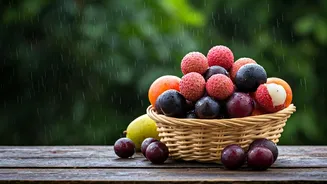
Both litchis and cherries are excellent sources of vitamin C and antioxidants, which are vital for a strong immune system. Litchis, available in the early weeks of the monsoon, help keep you hydrated and can provide relief from acid reflux and digestive problems. Cherries are also nutrient-packed and help fight inflammation. As these fruits have delicate skins, it is crucial to ensure they are fresh and washed thoroughly to remove any surface contaminants before enjoying them.
Fruits to Approach with Caution
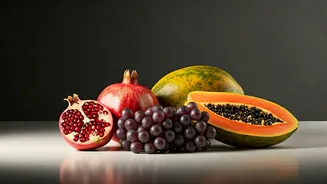
While many fruits are beneficial, some are best limited or avoided during the monsoon. Water-heavy fruits like watermelon and muskmelon can be risky as they are prone to bacterial contamination in humid weather and can cause bloating. Berries like strawberries and grapes are difficult to clean thoroughly and can easily harbour mould and microbes. It is also wise to be careful with mangoes and papayas, consuming them only when perfectly fresh to avoid spoilage-related issues. Always steer clear of pre-cut fruits, as their exposure to the air increases contamination risks significantly.