

The New Snack-Time Scrutiny
A quiet revolution is happening in Indian kitchens and shopping carts. Spurred by rising health consciousness, especially in the wake of the pandemic, consumers are no longer grabbing snacks mindlessly. Instead, they're reading labels, questioning ingredients,
and demanding options that align with their wellness goals. This shift is driven by a greater awareness of lifestyle diseases and the influence of a digitally connected generation with access to global health trends. The result is a booming market for healthy snacks in India, which was valued at over USD 3 billion in 2025 and is projected to grow significantly. Consumers are actively moving from indulgent choices to intentional ones, creating a new landscape for food brands.
What 'Healthy' Means Now
The definition of a healthy snack has evolved far beyond just being low-calorie. Today's consumer is looking for functional benefits and clean ingredients. High-protein is a top priority, with a staggering 86% of consumers considering it an important factor. This has pushed protein from a niche fitness claim to a mainstream demand. Beyond protein, preferences are shifting towards snacks made with natural ingredients like dates or jaggery instead of refined sugar. Consumers are also seeking out baked, roasted, or air-fried versions of their favourites over traditional deep-fried options. The demand for 'clean labels'—short, understandable ingredient lists without artificial additives or palm oil—is also on the rise, signaling a move towards more authentic and transparent food choices.
The Rise of New-Age Alternatives
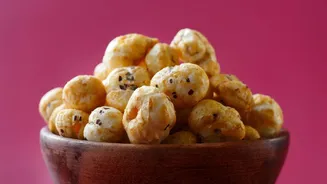
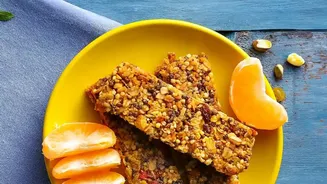
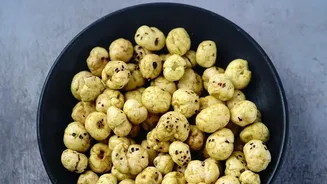
This consumer-led demand has fueled the explosive growth of new snack categories. Traditional superfoods are being rediscovered and rebranded for modern lifestyles. Makhana (fox nuts), once a humble fasting food, is now a star, available in various roasted and flavoured avatars. Rich in protein and low in calories, its popularity has soared, with the market expected to grow substantially. Similarly, millets like ragi, jowar, and bajra are being transformed into chips, puffs, and breakfast cereals, championed for their high-fibre content and sustainability. The snack aisle now features an array of options like multigrain chips, fruit and nut bars, and roasted chickpea snacks, many introduced by innovative direct-to-consumer (D2C) brands that are reshaping the market.
How Traditional Brands Are Adapting
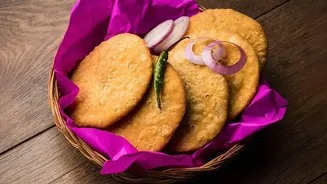
This shift hasn't gone unnoticed by legacy players. Large, established companies are responding to the health trend in several ways. Some are launching healthier line extensions of their popular products, such as baked versions of savoury snacks or millet-based variants. For example, PepsiCo's Kurkure has introduced jowar puffs to cater to the demand for mindful snacking at an accessible price point. Others are acquiring successful D2C health food brands to quickly gain a foothold in the market. This dual approach shows that healthy snacking is no longer a niche segment but a core driver of growth for the entire industry. Even traditional namkeens and sweets are being reimagined with healthier ingredients and cooking methods, showing that indulgence and wellness can coexist.