

From Waste to Wellness
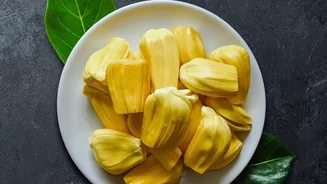
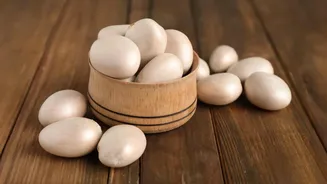
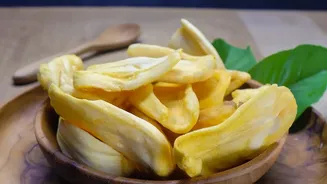
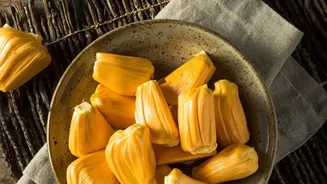
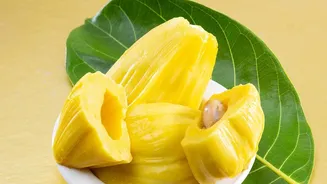
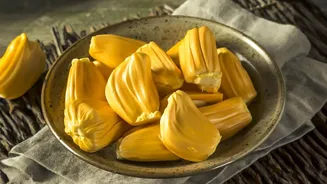
Across India, jackfruit is a beloved seasonal treat. But for every delicious pod of fruit, several seeds are often tossed aside. Now, an innovative approach called 'upcycling' is giving these seeds a new purpose. Upcycling turns food byproducts and ingredients
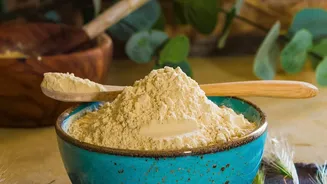
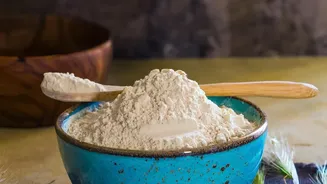
that would otherwise be wasted into new, high-quality products. By cleaning, drying, and grinding jackfruit seeds, we get a fine, nutrient-dense flour that's ready to transform your pantry. This process not only reduces food waste but also creates a valuable ingredient from a resource that is abundant in the country.
A Nutritional Powerhouse
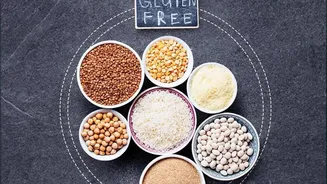
Jackfruit seed flour stands out for its impressive nutritional profile. It is naturally gluten-free, making it a safe and excellent choice for individuals with celiac disease or gluten sensitivity. One of its biggest draws is its high protein content, which is notably higher than many other gluten-free flours like rice or tapioca. One study noted its protein content at around 14g per 100g. It's also packed with dietary fibre—even more than whole wheat flour—which aids digestion and promotes gut health by acting as a prebiotic for beneficial bacteria. Furthermore, it is a good source of essential minerals like potassium and magnesium, and vitamins such as thiamine and riboflavin.
How It Stacks Up Against Other Flours
In the crowded market of gluten-free flours, jackfruit seed flour holds its own. Compared to almond flour, it has significantly less fat. Unlike coconut flour, it has a more neutral, mildly nutty flavour that doesn't overpower other ingredients in a recipe. Its texture is smooth and finely milled, avoiding the grittiness that can sometimes be an issue with other gluten-free alternatives. Thanks to its natural starch content, it also acts as an effective binding agent, improving the structure and moisture retention in baked goods—a common challenge in gluten-free baking.
Good for You, Great for the Planet
The benefits of upcycling jackfruit seeds extend far beyond nutrition. Globally, food waste is a significant environmental concern, and jackfruit processing contributes to this by discarding large quantities of seeds. By turning this 'waste' into a valuable food product, the practice supports a more sustainable, circular economy. It provides an additional source of income for farmers and reduces the environmental footprint of the agri-food industry. The starch from jackfruit seeds is even being explored for creating bioplastics and biodegradable packaging, further highlighting its potential as a cornerstone of sustainable innovation.
Bringing Jackfruit Seed Flour into Your Kitchen
Incorporating this flour into your diet is surprisingly simple. Its neutral taste makes it incredibly versatile for both sweet and savory dishes. You can add a spoonful to your regular atta to make nutrient-boosted chapatis, or use it in dosa and idli batters. It works well for baking gluten-free bread, cookies, and pancakes. Beyond baking, it serves as a fantastic thickening agent for soups, stews, and gravies, adding a dose of protein and fibre without altering the flavour profile. Given its growing popularity, jackfruit seed flour is becoming increasingly available through online retailers and in health food stores across India.