


An Annual Emergency Response
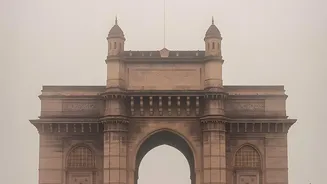
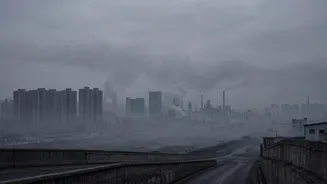
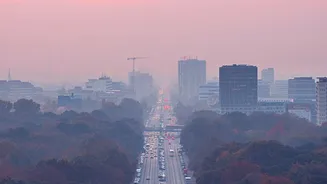
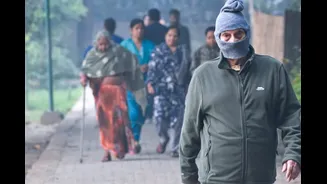
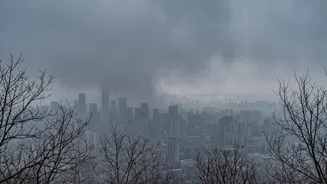
As Delhi's Air Quality Index (AQI) surged into the 'Severe' category on Friday, with some monitoring stations recording alarming levels close to 490, authorities have taken familiar emergency steps. Following the implementation of the Graded Response
Action Plan (GRAP) Stage III, the Delhi government directed schools to switch to a hybrid model for younger students, particularly those up to Class 5. This means a return to the pandemic-era routine of online classes for many, a decision aimed at protecting vulnerable young lungs from the hazardous air. While a necessary public health measure, the decision has thrown school routines, and family life, into disarray once again.
The Unseen Toll of Staying Indoors
The physical health risks of breathing toxic air are well-documented, from respiratory infections to long-term cognitive impairment. However, mental health experts are increasingly worried about the psychological fallout. For children, being forced indoors means a sudden loss of social interaction, physical activity, and the simple joys of outdoor play. This disruption is a significant source of stress. A survey conducted during the pollution peak in late 2025 and early 2026 found that nearly 70% of children in Delhi-NCR felt stressed and worried due to poor air quality, with 77% reporting feelings of anxiety, irritation, or fear. The recurring cycle of school closures and confinement creates an environment of uncertainty and helplessness that can be deeply unsettling for a child's developing mind.
Online Learning and Screen-Time Fatigue
The shift back to online classes brings its own set of challenges, compounding the anxiety. For many students, especially those from less privileged backgrounds, issues like a lack of reliable internet or suitable devices create an immediate barrier to learning. Even for those with access, the effectiveness of online education is a concern. An NCERT survey conducted after the pandemic found that only half of students could fully comprehend online content. Experts note that the lack of direct interaction with teachers and peers removes the motivation and feedback that are crucial for learning, leading to frustration. Furthermore, increased screen time, for both education and entertainment, is linked to a cycle of screen dependence, fatigue, poor sleep, and heightened anxiety.
A Generation Under Siege
The cumulative effect of these annual disruptions is profound. Children are not just missing school; they are missing out on their childhood. A report titled 'A Generation Under Siege' highlighted that 55% of children had missed school due to pollution-related illnesses. The constant need for precautions like masks and air purifiers, which many feel offer incomplete protection, serves as a constant reminder of the invisible threat outside. This persistent environmental stress can disrupt neurochemical balances and has been linked to a higher risk of developing mental health disorders like anxiety and depression over the long term. The crisis has reached a point where nearly half of the children surveyed said they would leave Delhi-NCR if given the choice, a stark reflection of their distress.