






Embrace the Power of Heat
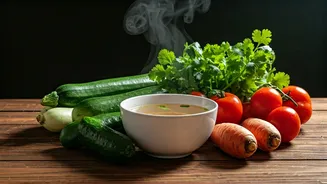
During the monsoon, our digestive fire, or 'agni' as it's known in Ayurveda, is considered to be weaker. This makes it harder for our bodies to break down heavy, cold, and raw foods. The solution is to favour warm, cooked meals. Think of comforting, steaming
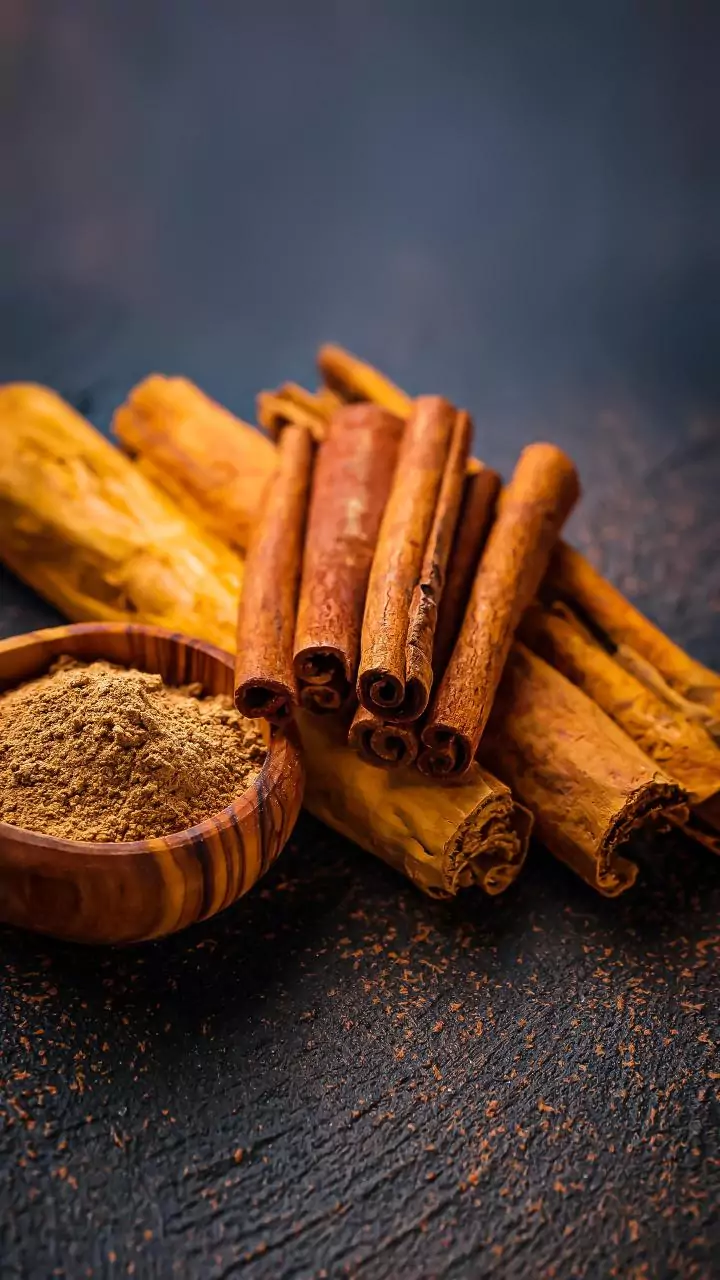
bowls of soup, light khichdi, and freshly prepared vegetable dishes. These foods are not only easier on the gut, but they also help regulate your internal body temperature, providing comfort and improving blood circulation. Incorporating warming spices like ginger, turmeric, black pepper, and garlic into your cooking can further aid digestion and boost your immunity. Ginger tea, for example, is a classic monsoon beverage that helps prevent common colds and coughs while soothing the digestive system.
Make Hygiene a Non-Negotiable
The high moisture content in the air during the rainy season creates a perfect breeding ground for bacteria and other pathogens. This makes food and water safety paramount. The risk of contamination is high, especially with street food like chaat and pre-cut fruits, which may be prepared with unhygienic water. It's safest to opt for home-cooked meals. All fruits and vegetables must be washed thoroughly under clean, running water. For leafy greens, which can harbour dirt and germs, it's a good practice to wash them in salt water or a vinegar solution and to ensure they are well-cooked rather than consumed raw in salads. Always drink boiled or filtered water to avoid water-borne diseases. Proper food storage is also key; refrigerate leftovers promptly in airtight containers and consume them quickly.
Find Your Nutritional Balance
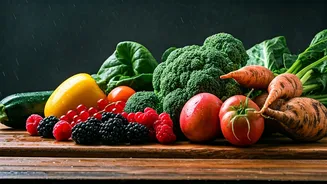
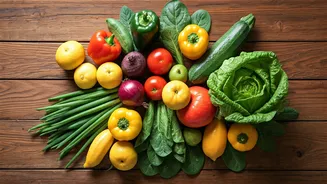
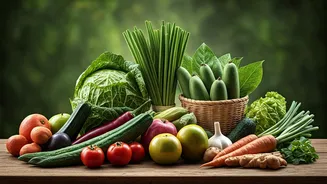
A balanced meal during the monsoon should be light, nourishing, and immunity-boosting. While it’s tempting to indulge in fried snacks like pakoras, these heavy, oily foods can lead to indigestion and bloating. It's better to opt for steamed or grilled preparations. Focus on seasonal vegetables, particularly gourds like lauki (bottle gourd) and karela (bitter gourd), which are light and easy to digest. For fruits, choose those with thick peels like pomegranates, pears, and bananas, and always wash and cut them yourself at home. Including probiotics like homemade yoghurt and buttermilk can support gut health by encouraging the growth of good bacteria. For protein, lentils and legumes are excellent choices. It is often advised to limit the intake of heavy non-vegetarian foods and seafood, as the risk of contamination is higher during their breeding season.
Your Monsoon Plate: Eat This, Not That
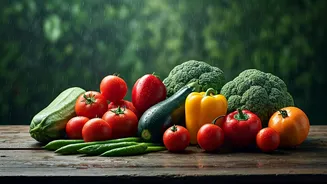
To simplify, here’s a quick guide. Load up on warm soups, herbal teas, and well-cooked vegetables like gourds and beans. Incorporate immunity-boosting spices such as turmeric, ginger, and garlic generously. Seasonal fruits like jamun, cherries, and plums are great additions. Lightly cooked grains like aged rice, barley, and oats are preferable as they are easier on the digestive system. On the other hand, try to avoid or limit certain foods. Steer clear of street food, especially items with water-based chutneys. It's best to avoid raw salads and leafy greens unless they are scrupulously cleaned and cooked. Cut back on heavy, fried foods and rich dairy products that can overburden your digestion. Finally, be cautious with seafood and any food that has been left out for a long time.