







The Modern Historian's Toolkit
Far from being about memorising dates, a history degree is a rigorous training ground for high-demand professional skills. The curriculum teaches students how to sift through vast amounts of information, evaluate sources for bias, build a cohesive argument
from conflicting evidence, and present complex narratives clearly. These abilities—critical thinking, deep research, analytical reasoning, and persuasive communication—are precisely what employers in a wide range of fields are searching for. Whether it’s in law, business, or technology, the ability to analyse complex data, understand context, and craft a compelling story is invaluable. A history graduate is trained not just to ask what happened, but why it happened and what it means for the present and future.
New Archives, New Career Paths
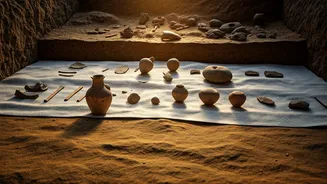
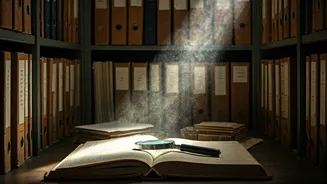
The career landscape for history graduates in India is expanding into exciting new territories. Beyond the well-trodden paths of academia and the civil services lie roles in heritage management, museum curation, and archaeology, fields that are gaining traction with government and private investment in preserving India's cultural assets. Archivist roles are no longer confined to government libraries; corporations like Titan are now hiring archivists to manage their brand heritage. The media and entertainment industries also need history experts for research on films, documentaries, and web series to ensure authenticity. Furthermore, emerging fields like digital humanities and historical data analytics are creating new opportunities that combine historical knowledge with technology. Policy think tanks actively seek history graduates for their ability to provide historical context to contemporary issues, a skill vital for effective policy analysis.
The University's Role in a Changing World
However, students cannot be expected to navigate this new terrain alone. Universities and colleges have a critical responsibility to bridge the gap between academic training and professional opportunity. This requires a fundamental rethinking of the history curriculum itself. While discussions around curriculum changes by bodies like the UGC have often been mired in political controversy, the more urgent need is a pedagogical shift towards practical application. Curriculums must integrate skills-based training, such as digital archiving, oral history projects, and public history workshops. Introducing interdisciplinary options that allow history students to study management, law, or data analysis can make them more versatile candidates. Simply put, the syllabus needs to prepare students not just for an exam, but for a career.
From Classroom to Career
Practical experience is non-negotiable. Universities must move beyond theory and actively facilitate internships and immersive projects. Collaborations with museums, heritage organisations like the Archaeological Survey of India (ASI), corporate archives, and media houses can provide students with invaluable hands-on experience. For instance, courses in heritage management are now offered by several Indian institutions, often including field visits and practical training at UNESCO World Heritage sites. University career services need to be better equipped to advise history students, moving beyond generic placements to connect them with specialised roles. Building strong alumni networks where graduates working in diverse fields can mentor current students is another powerful tool that remains largely underutilised. The goal should be to create a clear, supportive pipeline from the lecture hall to a fulfilling professional life.