
An Answer to Economic Pressures
One of the most significant drivers of the repeat-wear movement is simple economics. As the cost of living rises, consumers are becoming more cautious with their spending. The allure of fast fashion, with its low prices and fleeting trends, is beginning
to wane as people prioritize longevity and value over volume. Shoppers are discovering that investing in higher-quality, durable pieces, even if they cost more upfront, is more economical in the long run. A well-made garment that can be worn dozens of times offers better cost-per-wear than a cheap item that falls apart after a few washes. This pragmatic approach to shopping encourages a more thoughtful and curated wardrobe, where each piece is chosen for its versatility and staying power rather than its alignment with a passing fad.
The Rise of Conscious Consumerism
Alongside financial considerations is a growing awareness of fashion's environmental impact. The fast fashion industry is a major contributor to global carbon emissions, water pollution, and landfill waste. Reports on textile waste and unethical labor practices have pushed many consumers, particularly Millennials and Gen Z, to seek more sustainable options. This has fueled the slow fashion movement, which champions quality over quantity, ethical production, and timeless design. Embracing repeat wear is a direct action against the culture of overconsumption. By extending the life of our clothes, we reduce our personal carbon footprint and send a message to the industry that we demand a more responsible approach to manufacturing.
Finding Freedom from Decision Fatigue
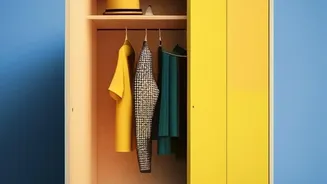
The psychological benefits of a smaller, more deliberate wardrobe are also a powerful motivator. Having a closet overflowing with clothes can lead to 'decision fatigue,' a state of mental exhaustion from making too many choices. A curated collection of beloved, versatile items—often called a capsule wardrobe—simplifies the daily routine of getting dressed, freeing up mental energy for more important tasks. Studies and anecdotal evidence suggest that this minimalist approach can reduce stress and anxiety, leading to greater satisfaction and mental clarity. When every item in your closet is something you genuinely love and feel confident in, the dreaded feeling of having 'nothing to wear' disappears.
Defining Personal Style Over Chasing Trends
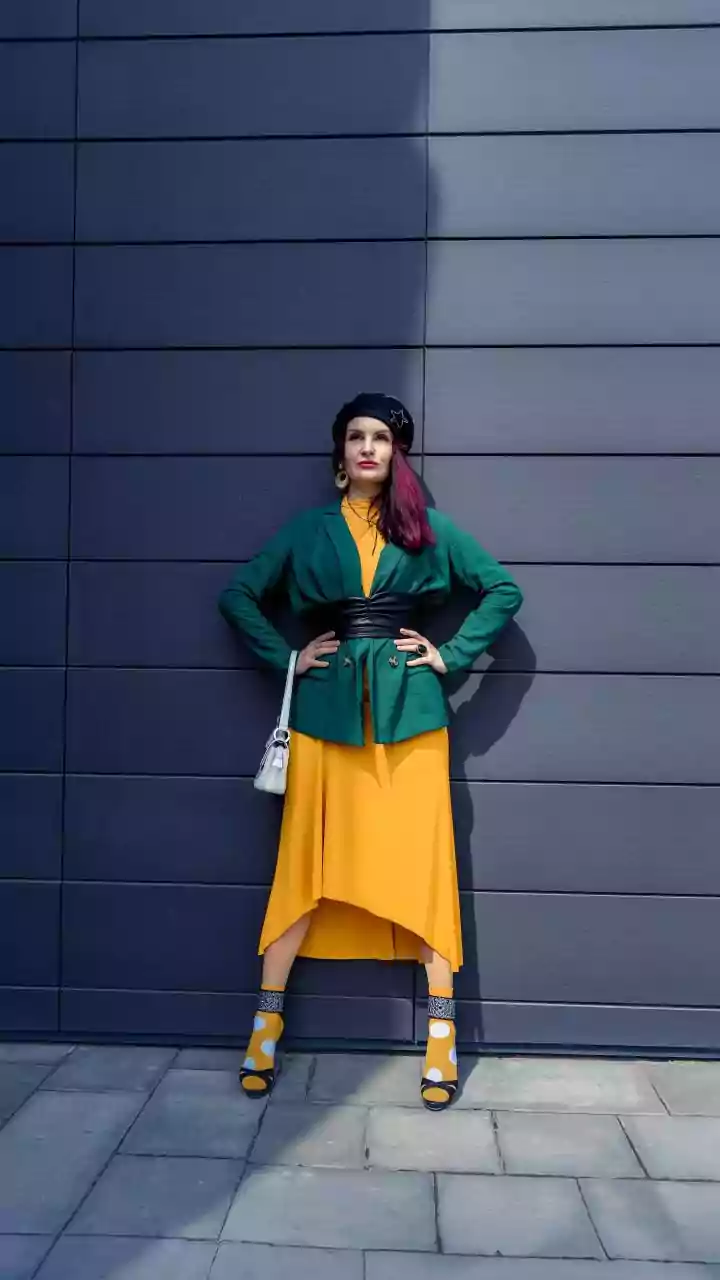
The constant cycle of microtrends, accelerated by social media platforms like TikTok and Instagram, has left many feeling creatively exhausted. The pressure to constantly buy new things to stay current can ironically lead to a loss of individual style. Building a wardrobe around repeat wear encourages a shift from chasing trends to cultivating a true personal style. It becomes an exercise in creativity—learning to style the same piece in multiple ways with different accessories or layers. Influencers and celebrities are increasingly championing this mindset, proudly repeating outfits on red carpets and social media, which helps normalize the practice and frame it as a sign of confidence rather than a fashion misstep.