


Kuttu Atta: The Mountain's Gift
Kuttu ka atta, or buckwheat flour, is a star ingredient in North Indian Navratri thalis, especially in the Himalayan regions like Uttarakhand and Himachal Pradesh. Despite its name, buckwheat is not a wheat or even a true cereal grain. It is technically
the seed of a fruit from a plant related to rhubarb, which is why it's permitted during fasts when grains are avoided. The tradition of using kuttu is rooted in both faith and practicality. Considered a 'sattvik' or pure food, it aligns with the spiritual discipline of fasting. Its origins are traced to Central Asia and the Himalayas, where it has been cultivated for centuries. From a nutritional standpoint, kuttu is a powerhouse, packed with high-quality protein, magnesium, and dietary fibre. It has a warming nature, making it ideal for the autumn chill of Sharad Navratri. Experts often suggest pairing kuttu preparations like puris or pakoras with cooling curd to create a balanced meal.
Sabudana: The Pearl From a Foreign Shore
The soft, chewy pearls of sabudana, or tapioca, are synonymous with fasting, especially in Maharashtra, Gujarat, and other parts of Western and Central India. Dishes like sabudana khichdi and vada are iconic vrat foods, providing a quick source of energy through their high carbohydrate content. But this quintessential Indian fasting food has a surprising history—it's not originally from India. Sabudana is made from the starch of the cassava or tapioca root, a plant native to South America. It was introduced to India in the 19th century, with the Travancore kingdom in Kerala popularising it as a vital food source during a famine. The process of turning the root's milky extract into the familiar pearls we use today was established in India much later, with the first crude processing units set up in Salem, Tamil Nadu, in the 1940s. From a crisis food to a fasting staple, sabudana's journey is a tale of adaptation and culinary innovation.
Singhara Atta: The Bounty of the Water
Singhara atta, or water chestnut flour, is another essential ingredient in the Navratri pantry. As the name suggests, it comes from water chestnuts, which are aquatic vegetables that grow in freshwater ponds and marshes. Once harvested, the nuts are dried and ground into a fine, gluten-free flour. This flour is incredibly versatile and used to make everything from puris and rotis to halwa and pakoras. Its use is particularly popular in North India. Like kuttu, singhara is not a grain, making it an acceptable food for religious fasts. Nutritionally, singhara atta is valued for being a good source of energy-boosting carbohydrates, potassium, and antioxidants. It is also known for its cooling properties, which can help balance the 'heaty' nature of other fasting foods. Being low in sodium and high in potassium, it is also believed to help the body manage water retention.
Rajgira: The 'Royal Grain' of the Ancients
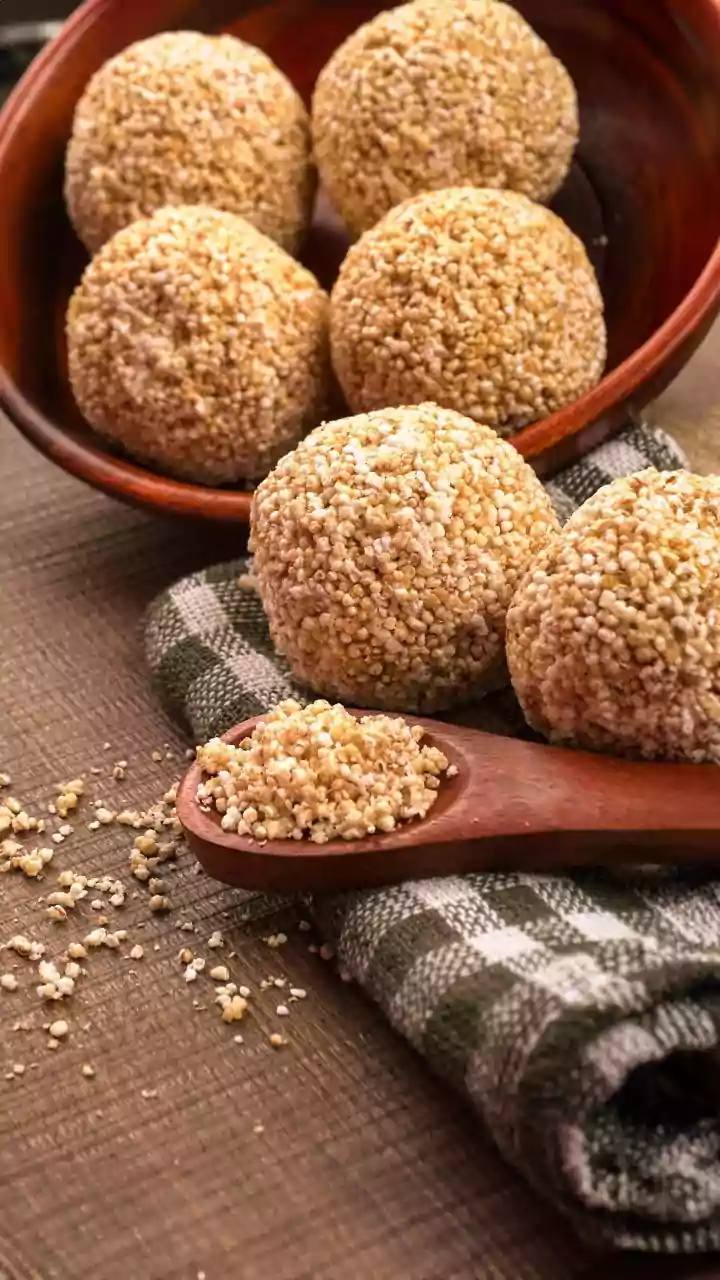
Rajgira, also known as amaranth, translates to 'royal grain', and its history lives up to the name. While it's a staple in Navratri fasting across India today, it was also a primary food source for the ancient Aztec civilization in the Americas. Like buckwheat, rajgira is a 'pseudo-cereal'—its seeds are used like grains, but it doesn't belong to the grass family, making it permissible for vrat. Valued for being light and easy to digest, rajgira is considered a superfood. It boasts a higher protein content than most common cereals and is rich in essential amino acids, calcium, and iron. This makes it an excellent ingredient for maintaining energy levels and staying nourished during a fast. Available as flour for rotis and puris, or as puffed seeds for making chikki and laddoos, rajgira offers a nutritious and versatile option for the nine sacred days.
Makhana: The Pure Offering From the Pond
Makhana, or fox nuts, are the puffed seeds of the prickly water lily plant and have deep cultural roots, particularly in the Mithila region of Bihar. Considered a 'sattvik' or pure food, makhana has been part of temple offerings and spiritual practices for centuries. Its association with the lotus plant, a symbol of purity in Hindu traditions, makes it a cherished ingredient during religious observances like Navratri. Harvesting makhana is a laborious process, traditionally done by hand from the floors of ponds and wetlands, which adds to its value. Beyond its spiritual significance, makhana is a nutritional powerhouse. It is low in calories but rich in protein, magnesium, and antioxidants, making it a perfect guilt-free snack during fasts. Usually roasted with a bit of ghee and rock salt, these light, crunchy snacks are not just fasting-friendly but also a healthy addition to any diet.