





The Fabric Philosophy: Ditch Cotton
The golden rule of packing for wet weather is to avoid cotton. It absorbs moisture, takes ages to dry in humid conditions, and can leave you feeling damp and cold. Instead, your wardrobe should be built on quick-drying, moisture-wicking materials. Look
for synthetics like polyester and nylon, or natural wonders like merino wool. These fabrics pull sweat away from your skin and will dry overnight after a quick wash in your hotel sink, meaning you can pack fewer items and re-wear them comfortably. This simple switch is the most impactful step towards a lighter bag.
Your Fortress: The Waterproof Shell
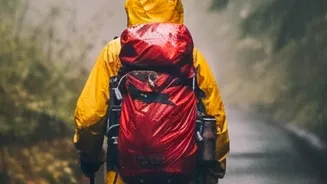
A high-quality, lightweight, and packable waterproof jacket is non-negotiable. Don't confuse 'water-resistant' with 'waterproof'. A proper rain shell should have sealed seams to prevent any leaks during a downpour. Many modern travel jackets are designed to fold down into their own pocket, taking up minimal space while offering maximum protection against both wind and rain. Think of it less as a bulky coat and more as an essential, paper-thin shield that lives in your bag until needed. While an umbrella is useful for a light drizzle, a good jacket is what will save you in a proper storm.
The Art of Strategic Layering
Instead of packing thick, heavy jumpers, think in layers. A system of thin layers is more versatile and takes up less room. For a week, this might look like: one base layer (a long-sleeved merino or synthetic top), two or three mid-layer tops (like T-shirts made of quick-dry material), and one light fleece or insulated vest for warmth. This allows you to adapt to changing conditions. A cool morning might call for all layers, while a humid afternoon may only require a T-shirt. You can mix and match these few pieces to create different outfits, giving you flexibility without the bulk.
Packing Techniques That Create Space
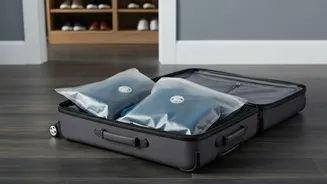
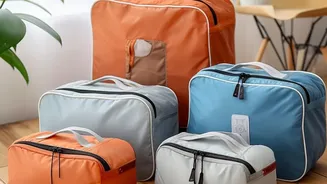
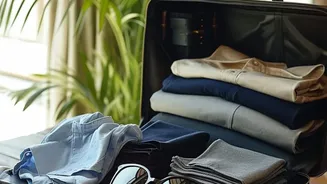
How you pack is as important as what you pack. Tightly rolling your clothes is a classic space-saving technique that also helps minimise wrinkles. For next-level organisation, invest in packing cubes. These small zippered bags allow you to compress and compartmentalise your clothing. You can have one cube for tops, one for bottoms and underwear, and a separate one for any damp or dirty laundry. This not only saves space but also makes it easy to find what you need without unpacking your entire bag.
A Sample 7-Day Rainy Trip List
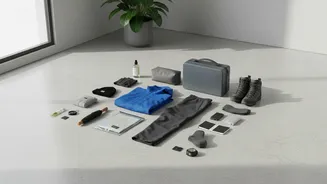
Here is a template you can adapt:
- Outerwear: 1 packable waterproof shell jacket.
- Layers: 1 light fleece or vest, 4 quick-dry T-shirts or tops.
- Bottoms: 2 pairs of quick-dry trousers or travel pants. Avoid jeans at all costs.
- Footwear: 1 pair of waterproof, comfortable walking shoes and 1 pair of open sandals or flip-flops for indoors.
- Undergarments: 5-7 pairs of quick-dry underwear and socks. You can wash and rotate them.
- Accessories: A sturdy, wind-resistant umbrella and a 'dry bag' to protect your electronics like your phone and power bank from any moisture.
Protecting Your Valuables
Rainy weather poses a risk to more than just your clothes. Your electronics and important documents need protection. A simple waterproof phone pouch can be a lifesaver. For ultimate peace of mind, pack a small 'dry bag'—the kind used for water sports. You can place your passport, wallet, phone, and a power bank inside this bag before putting it in your main backpack. This creates a completely sealed-off zone, ensuring your most important items stay perfectly dry even if your main bag gets damp.