





The Rise of the 'Fourth Meal'
The traditional three-meals-a-day schedule is becoming a relic of the past in India's bustling urban centers. A distinct fourth meal occasion, consumed late at night, has firmly established itself. Food delivery platforms report that late-night orders,
typically placed between 11 PM and 3 AM, have surged, with some analyses showing this segment growing faster than traditional mealtimes. This isn't just about the occasional midnight snack; it's a structural shift. The sleep schedules of young, urban consumers have changed, with many staying awake until 2 or 3 AM. This has created a reliable and growing demand that restaurants and delivery services are increasingly catering to, extending their operating hours well past midnight.
Comfort, Convenience, and Cravings
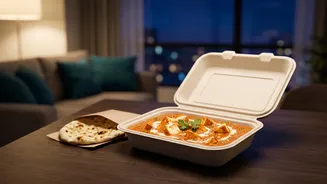
So, what are people ordering? The top contenders are a mix of comfort food and quick bites. Biryani, pizzas, and burgers consistently top the charts for late-night indulgence across major cities like Bengaluru, Hyderabad, and Mumbai. Dishes like Masala Dosa, Pav Bhaji, and rolls also feature heavily, pointing to a need for familiar, satisfying flavours after a long day. Desserts, especially ice cream, are another booming category, often ordered not out of hunger but as a reward or to relieve stress. This pattern suggests that late-night ordering is often an emotional decision, driven by a need for comfort, the desire for a treat after a stressful day, or the sheer convenience of getting food without the hassle of cooking.
The Engine of the Night Economy
This trend is a direct reflection of a changing work culture. The rise of hybrid work, global-facing jobs in the tech and service industries, and the gig economy means that for many, the workday doesn't end at 6 PM. Food delivery platforms have noted a significant increase in orders placed from office locations after 10 PM. This 'always-on' workforce, made up of students, young professionals, and night-shift employees, forms the core customer base for the late-night food ecosystem. The demand is so pronounced that some platforms have launched curated programs specifically for late-night workers, offering workstation-friendly meals and quick fuel like coffee and rolls. This symbiotic relationship fuels the burgeoning night economy, which is expanding beyond metros into Tier-2 cities like Lucknow, Kochi, and Ahmedabad.
More Than Just a Meal
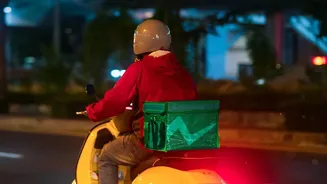
Ultimately, the contents of our late-night delivery bags tell a story about modern urban life. The shift away from traditional, family-centric dinner times towards solo or small-group eating reflects new social habits shaped by on-demand entertainment and fluid schedules. The choice of a quick burger over a home-cooked meal is a vote for convenience in a time-starved life. The surge in orders is also a testament to the vast, complex logistics network of quick-commerce platforms and the gig workers who power it, though this growth is not without challenges like rider availability and service consistency. What we eat when the rest of the city sleeps is a mirror of our collective stress, our search for small joys, and our adaptation to a world that never truly logs off. Our midnight munchies are, in essence, a quiet summary of our priorities and pressures.