




The Initial Catastrophe
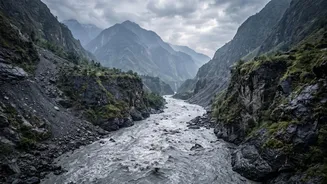
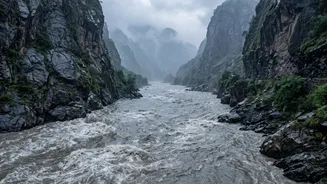
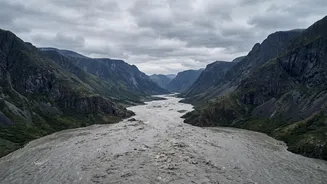
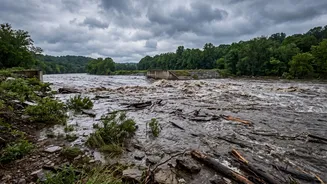
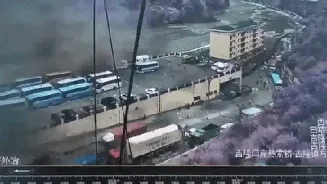
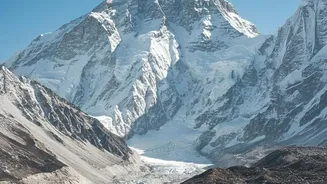
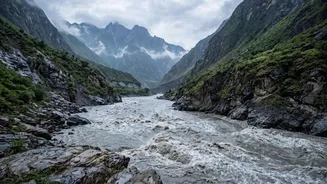
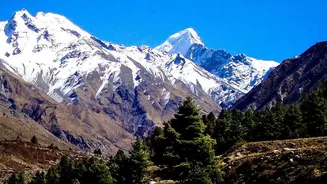
On August 26, 2026, a massive flash flood tore through the Bhote Koshi and Trishuli river corridors along the Nepal-Tibet border. The event was not caused by local rainfall, but is believed to have been triggered by a glacier collapse or a massive ice-rock
avalanche high in the mountains. This initial event sent a thundering wall of water, mud, and boulders downstream, causing immense destruction in Nepal's Rasuwa and Nuwakot districts. It destroyed homes, roads, bridges, and critical hydropower infrastructure, leaving hundreds dead and many more missing, including numerous foreign tourists. The sheer speed and force of the flood, which raised river levels by up to nine metres in just 30 minutes in some areas, gave communities little to no time to react.
Understanding Secondary Surges
While the main flood is a direct result of an initial trigger like an avalanche, a secondary surge is a delayed-release event. It’s not simply more rainwater flowing downstream. Instead, it’s a new, sudden wave of water and debris that can occur hours or even days after the first flood has passed. These secondary events are often caused by blockages that form in the river system during the initial chaos. The danger lies in their unpredictability; they can strike downstream communities that believe the worst is already over, leading to further loss of life and destruction.
How Landslide Dams Form
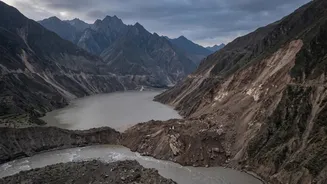
The primary cause of these secondary surges is often the formation of a landslide dam. Nepal's steep, unstable mountain slopes are highly susceptible to landslides, especially when the ground is saturated by monsoon rains or destabilized by seismic activity. The initial flood or the event that caused it can trigger massive landslides, sending millions of cubic metres of rock, soil, and debris into a river channel. If the valley is narrow enough, this debris can pile up and form a temporary, unstable dam, blocking the river's flow. Water begins to build up behind this natural barrier, creating a large and dangerous artificial lake.
The Inevitable Breach
These landslide dams are inherently unstable. They are not engineered like concrete dams and can fail without warning. The breach can happen in a few ways. The rising water behind the dam might simply overtop it, quickly eroding the loose material and carving a channel for the water to escape. Alternatively, the immense pressure of the impounded water can lead to a catastrophic structural failure of the entire blockage. When the dam breaks, it releases the stored water in a sudden, violent outburst flood. This surge is often more than just water; it’s a thick, heavy slurry of mud and rock that carries immense destructive power, capable of burying entire villages and destroying infrastructure that even the first flood may have left standing.
Nepal's Extreme Vulnerability
Nepal’s geography makes it a global hotspot for this kind of multi-stage disaster. The country is home to thousands of glaciers and glacial lakes, many of which are growing due to climate change. This increases the risk of Glacial Lake Outburst Floods (GLOFs), which can trigger the same chain of events. The nation's numerous rivers flow through deep, narrow valleys, making them prone to blockages. A history of seismic activity further weakens slopes. Events like the 2014 Sunkoshi landslide, which blocked a major river and created a massive lake, serve as a stark reminder of this persistent threat. Authorities are often in a race against time to assess the stability of these dams and, if possible, drain the lakes in a controlled manner before they burst.