





The Engine of Instant Commerce
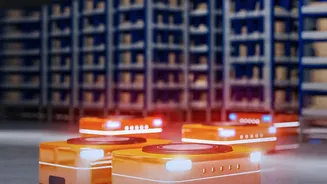
A micro-fulfillment center, or MFC, is a small, strategically located warehouse packed with technology. Unlike massive warehouses on the outskirts of a city, MFCs are situated within urban neighbourhoods, often in compact spaces. Their goal is simple:
to store a curated selection of high-demand products as close to customers as possible. This hyperlocal approach, powered by advanced inventory systems and data analytics, is the backbone of the quick commerce boom. Companies like Amazon, Flipkart, and Zepto are investing heavily in this model, allowing them to process orders and dispatch them for delivery in minutes, not hours or days. This decentralized network is what makes ultra-fast delivery of everything from fresh produce to electronics a reality for a growing number of Indian consumers.
Why Tier 2 Cities Are the New Frontier
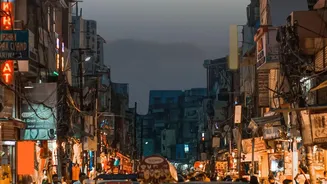
For years, the e-commerce story was centered on India's Tier 1 metros. Now, the focus is shifting to Tier 2 hubs like Jaipur, Lucknow, Coimbatore, and Indore. Several factors are driving this expansion. Firstly, rising disposable incomes and widespread internet penetration have created a massive, untapped customer base in these cities, all demanding the same level of service as their metro counterparts. Secondly, the operational economics are more favourable. Warehousing rentals and labour costs are significantly lower than in congested metros like Mumbai or Bengaluru, where real estate prices have surged. This allows companies to build out extensive networks more affordably. E-commerce players are aggressively expanding into these markets, with some reports showing that non-metro cities are driving a significant portion of new customer growth and warehousing leases. Recent announcements from companies like Amazon detail major expansions with new fulfillment and sortation centers specifically in cities like Raipur, Ranchi, and Meerut.
The New Wave of Entry-Level Jobs
The rapid rollout of these fulfillment centers is creating a surge of fresh employment opportunities, particularly for those entering the workforce. These are not just gig-work delivery roles; MFCs require a team of on-site staff to function. The most common entry-level positions include pickers and packers, who locate items and prepare them for shipping, and warehouse assistants, who handle inventory storage and movement. Other key roles are inventory clerks, who use warehouse management systems (WMS) to track stock levels, and dispatch coordinators, who manage the handover of packages to delivery personnel. Each MFC creates dozens of direct and indirect jobs, providing a crucial entry point into the formal economy for many young people in cities where such opportunities were previously scarce.
Building Skills for a Digital Economy
These roles offer more than just a salary; they provide foundational skills for a career in the modern logistics and supply chain sector. New hires are trained on using handheld RF scanners, inventory management software (WMS), and data entry systems—all transferable skills in an increasingly digitized economy. They learn about operational efficiency, quality control, and the importance of accuracy in a fast-paced environment. For many young people in Tier 2 cities, whose primary options might have been limited to traditional retail or BPO work, these jobs represent a chance to gain technical expertise. This trend not only helps reduce out-migration to bigger cities in search of work but also stimulates the local ecosystem, creating a ripple effect of economic growth.