






The Rise of Micro-Wellness
The wellness landscape is shifting. Gone are the days when self-care exclusively meant week-long retreats or hour-long yoga classes. In their place, a more accessible, immediate trend has emerged: micro-wellness. This is the practice of integrating small,
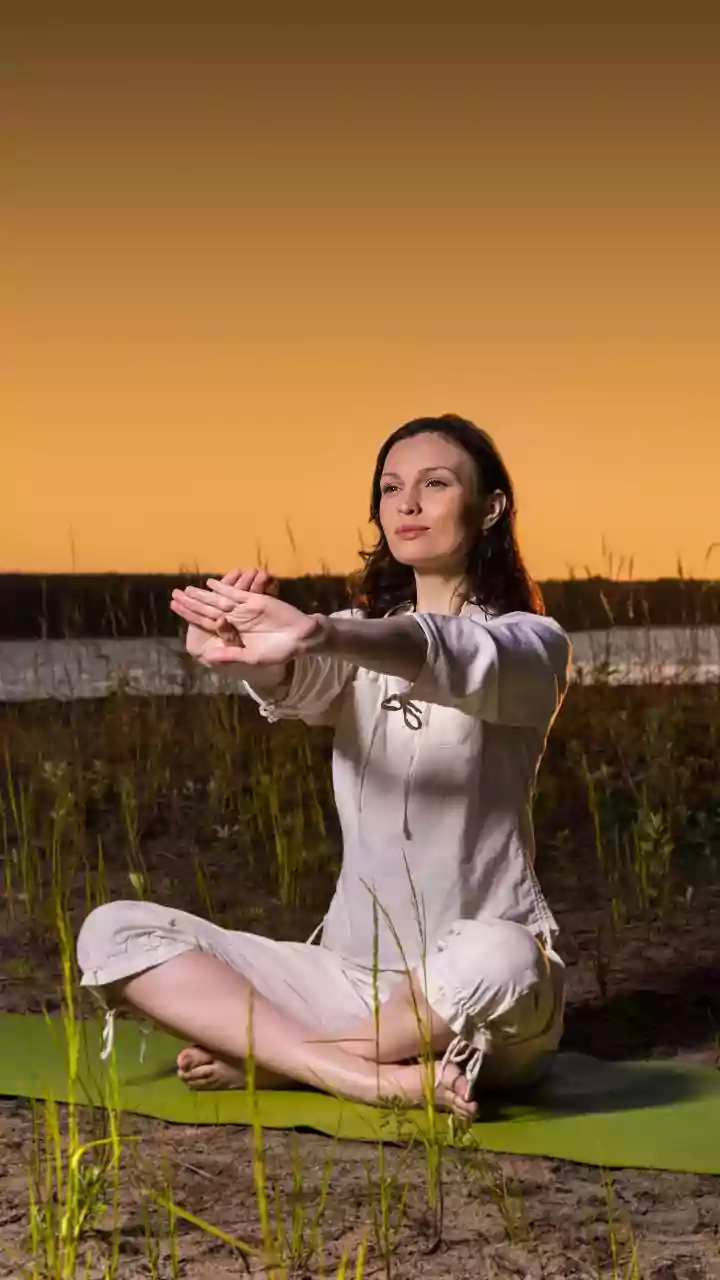
manageable moments of well-being into a busy day. Think of it as the antidote to burnout culture, where instead of waiting for a vacation to recover, you proactively manage stress in real-time. Much like the concept of microdosing, which involves taking small amounts of a substance for subtle benefits, these tiny breaks offer a sustainable way to boost mood and focus without derailing your day. A short breathing break fits perfectly into this philosophy. It's free, requires no equipment, and can be done anywhere—at your desk, in your car, or even in line for coffee.
The Science of a Simple Breath
So, what happens when you intentionally pause to breathe? You're essentially hitting a reset button on your nervous system. Stressful situations activate our sympathetic nervous system, the 'fight-or-flight' response that makes our heart race and our breathing quick and shallow. Conscious breathing techniques, especially those that emphasize a long exhale, activate the opposing parasympathetic nervous system—our 'rest-and-digest' mode. This slows your heart rate, lowers your blood pressure, and sends a powerful signal to your brain that you are safe and in control. Studies from institutions like Stanford Medicine have shown that just five minutes of controlled breathing per day can significantly improve mood and reduce anxiety. The effect can be immediate, calming you down in the moment, and also cumulative, making you more resilient to stress over time.
Two Simple Techniques to Try Today
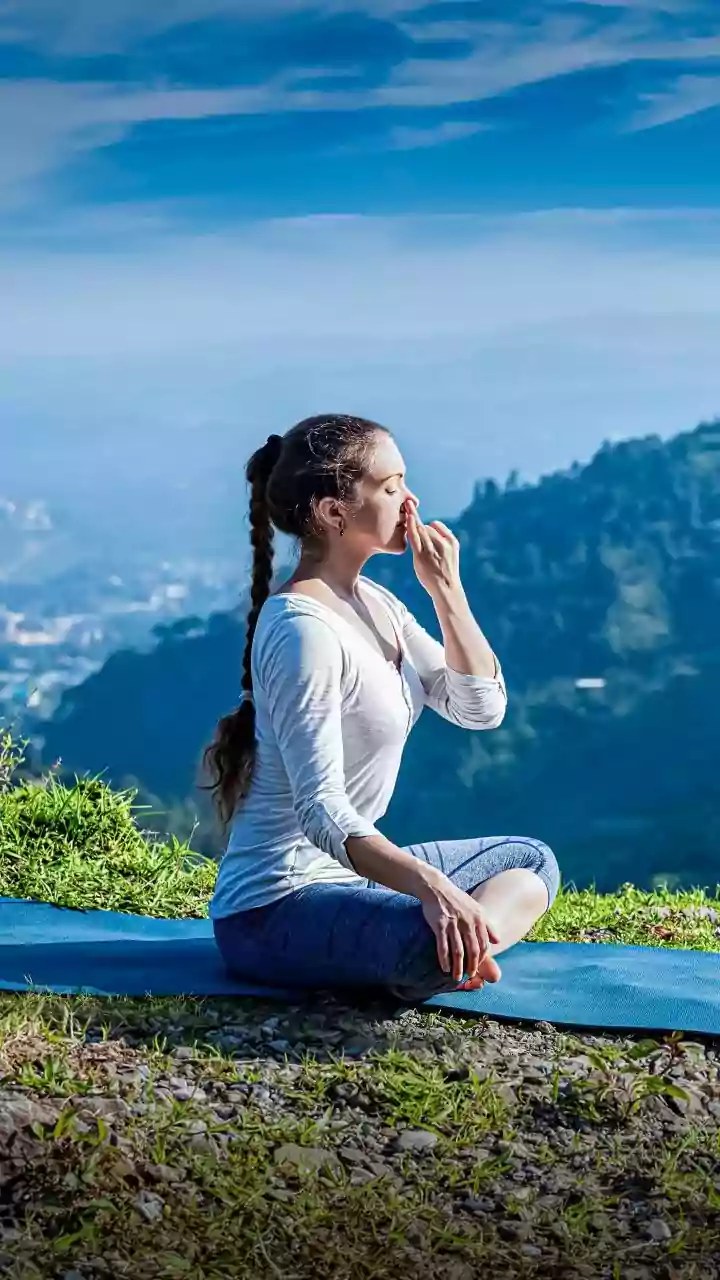
You don't need to be a guru to reap the benefits. Here are two incredibly effective, science-backed techniques: **1. The Physiological Sigh:** Popularized by Stanford neurobiologist Andrew Huberman, this is considered one of the fastest ways to calm down. Simply take two consecutive inhales through your nose—one deep, full breath immediately followed by a shorter, sharper top-up inhale. Then, exhale slowly and completely through your mouth for as long as you can. The double inhale helps to reinflate tiny air sacs in your lungs called alveoli, improving oxygen exchange and offloading carbon dioxide, while the long exhale activates your calming nervous system. Just one to three rounds can make a noticeable difference. **2. Box Breathing:** This technique is famously used by U.S. Navy SEALs to stay calm and focused under pressure. It's also called square breathing because it has four equal sides. You simply: 1. Inhale slowly through your nose for a count of four. 2. Hold your breath for a count of four. 3. Exhale slowly through your mouth for a count of four. 4. Hold your breath again for a count of four. The rhythmic counting distracts your mind from the source of stress and helps regulate your nervous system.
More Than Air: Why Breathing Is a 'Flex'
In a culture that often glorifies being busy, deliberately stopping to do nothing but breathe is a counter-cultural act. It's a 'flex' because it signals that you value your well-being over constant productivity. It demonstrates self-awareness and emotional regulation—skills that are increasingly seen as hallmarks of success. While traditional luxury was about what you owned, the new luxury is about how well you live. Having control over your time and your internal state is the ultimate status symbol. Sharing a 'bathroom breathing break' or mentioning a quick 'physiological sigh' before a big meeting has become a subtle way of communicating that you're not just surviving your schedule; you're mastering it with intention and calm. It's a quiet declaration that your inner peace is non-negotiable.