





The Two Worlds of Bottled Water
In India, the bottled water you buy falls into one of two categories: either it's from a brand regulated by the Food Safety and Standards Authority of India (FSSAI), or it’s from an unlicensed, unverified source. FSSAI is the primary government body that
regulates packaged drinking water, classifying it as a 'high-risk' food category. This means legitimate manufacturers are subject to stringent inspections, regular testing, and strict hygiene protocols to get and keep their 14-digit FSSAI license. In stark contrast, unlicensed vendors operate in the shadows. They often use unapproved sources, fill bottles in unhygienic conditions, and slap on counterfeit labels. These illegal bottling plants are frequently raided and shut down, but the problem persists due to high demand. The water from these sources bypasses every single safety check designed to protect consumers.
What FSSAI Testing Actually Involves
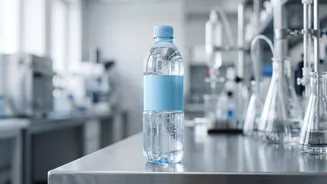
Getting an FSSAI license is not a one-time approval; it's a continuous commitment to safety. Regulated brands must have their water tested at FSSAI-notified and NABL-accredited labs. The testing is exhaustive, covering physical, chemical, and microbiological parameters. This includes checking for harmful bacteria like E. coli and coliform, which can cause severe stomach infections, diarrhoea, and other waterborne diseases. The process also screens for dangerous chemical contaminants like heavy metals (lead, arsenic), pesticides, and industrial pollutants. Even the plastic bottle and cap must be food-grade and are tested to prevent harmful chemicals from leaching into the water. This rigorous, multi-level testing ensures that what’s inside the bottle matches the purity promised on the label.
The Hidden Dangers in Unlicensed Water
When you buy water from an unregulated vendor, you are taking a significant gamble with your health. This water often comes from unverified sources and is bottled without proper purification. Studies on such water have found dangerous levels of microbial contaminants like E. coli and faecal coliforms, which are direct indicators of sewage contamination. Consuming this can lead to diseases like cholera, typhoid, dysentery, and jaundice. Beyond bacteria, unregulated water can contain invisible threats like nitrates from agricultural runoff, which are especially dangerous for infants, and toxic heavy metals like lead and arsenic, which can cause kidney damage, liver problems, and neurological disorders over time. The bottle itself might be a reused one, improperly cleaned and sealed, further increasing the risk of contamination.
How to Spot a Safe Bottle in Seconds
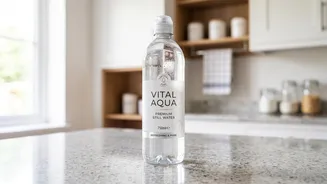
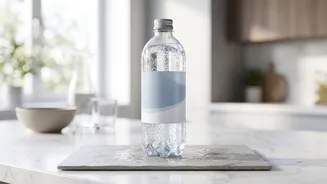
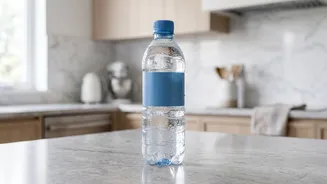
Protecting yourself is easier than you think. Before you buy, take a few seconds to become a vigilant consumer. First, look for the FSSAI license number. Every legitimate bottle must have a 14-digit FSSAI number printed clearly on the label. Second, check the overall condition of the bottle. The cap’s seal should be intact and not look like it has been tampered with. Avoid bottles that are scratched, dirty, or have a re-glued or faded label, as these can be signs of refilling. Finally, read the label for the manufacturer's name and address, manufacturing date, and best-before date. While the ISI mark from the Bureau of Indian Standards (BIS) is no longer mandatory for FSSAI compliance as of 2026, the FSSAI license is the key indicator of safety.