


More Than Just a Pot
In the world of interior design, a statement piece is an item that commands attention and tells a story. While a sculptural lamp or a bold painting fits the bill, a growing trend points to something far more soulful and rooted in Indian heritage: repurposing
antique brass vessels as planters. These aren't just containers for soil and roots; they are artefacts imbued with history. Unlike mass-produced ceramic or plastic pots, a vintage brass *handi* or *urli* carries the warmth of countless meals cooked, the echoes of festive celebrations, and the beautiful imperfections of a life well-lived. This inherent character is what elevates a simple houseplant into a living sculpture.
The Allure of Aged Brass
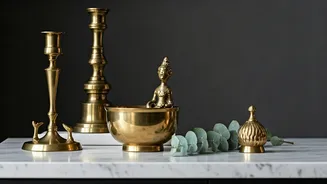
The magic lies in the patina. Over decades, brass (*pittal*) develops a rich, complex finish that ranges from deep, moody browns to soft, greenish blues. This natural ageing process creates a texture and depth that new materials simply cannot replicate. When placed in a modern, minimalist living room or a lush, green balcony, the warm metallic glow of an old brass pot provides a stunning visual contrast. It bridges the gap between the old and the new, the rustic and the refined. It’s a nod to sustainability, giving a beautiful, durable object a second life instead of letting it gather dust in an attic or, worse, be sold for scrap.
Which Pots Work Best?
The search for the perfect pot is a treasure hunt in itself. Look for traditional Indian cookware with interesting shapes and sturdy construction. The most popular choice is the *urli*, a wide, shallow vessel traditionally used for cooking for large crowds or for floating flowers. Its low profile is perfect for creating miniature water gardens with lilies and floating candles, or for planting a mound of succulents. For larger plants, a deep, round-bottomed *handi* or a tall *charu* provides ample space for root growth. Even smaller items like a vintage *lota* (water pot) can be repurposed to hold a single trailing pothos on a bookshelf, adding a touch of green elegance to a small space.
Preparing Your Pot for Planting
Before you introduce your plant to its new home, a little preparation is key. First, clean the vessel thoroughly with a gentle mix of lemon and salt or a specialized brass cleaner, but be careful not to scrub away all of the precious patina. The most crucial step for most plants is ensuring proper drainage. If the pot will house a plant that needs its soil to dry out, you must drill several small holes in the bottom. This can be done carefully with a drill bit designed for metal. If you're hesitant to drill into a valuable antique, you can use it as a cachepot—simply place the plant in a slightly smaller plastic pot with drainage holes and sit it inside the brass vessel. This protects both the plant from waterlogging and the brass from constant moisture.
The Perfect Plant Pairings
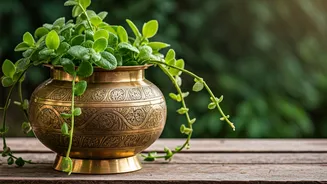
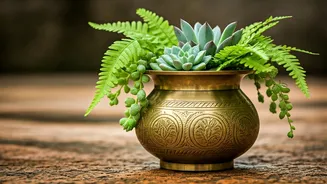
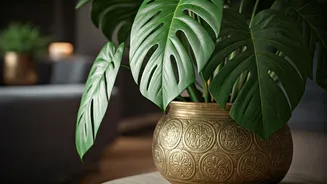
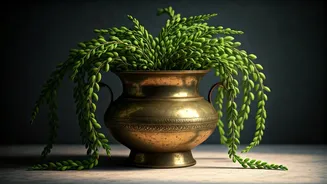
The plant you choose should complement the pot. The wide, open surface of an *urli* is stunning when filled with a collection of diverse succulents or a lush carpet of baby’s tears. Its shallow depth also makes it ideal for floating water plants like water hyacinths or dwarf water lilies if you choose not to drill drainage holes. For a tall, stately *handi*, consider something with an upright growth habit, like a Snake Plant or a ZZ Plant, which creates a dramatic, sculptural silhouette. For smaller brass pots, trailing plants are a fantastic choice. The heart-shaped leaves of a Philodendron or the delicate strands of a String of Pearls cascading over the warm, golden edge of the brass is a truly beautiful sight.
Styling Your Statement Piece
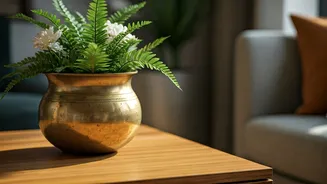
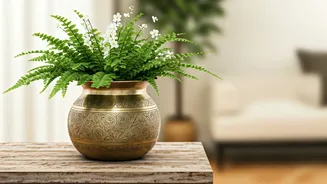
A brass planter is not meant to blend in; it's designed to stand out. A large *urli* filled with water and floating flowers can become the undeniable centrepiece of a living room coffee table or entrance foyer. A medium-sized *handi* with a lush fern can anchor a forgotten corner and bring it to life. Group a few smaller brass pots of varying heights and shapes on a windowsill or balcony to create a dynamic, curated display. The key is to give the piece breathing room. Let its unique shape and aged finish be the star, with the plant acting as its living, growing accessory. It’s a simple change, but one that infuses your space with history, personality, and a deep connection to culture.