




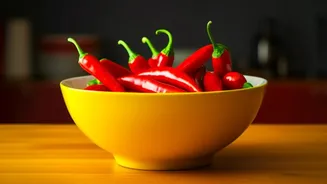

Meet the Ghost Pepper
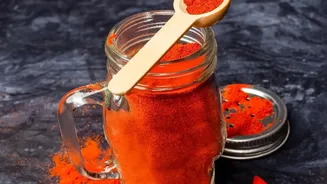
For years, the Bhut Jolokia, or Ghost Pepper, was a legend whispered among chili enthusiasts—a pepper from Northeast India so fiery it was certified as the world's hottest in 2007. Its name, translating to ‘ghost chili’, hints at a heat that sneaks up
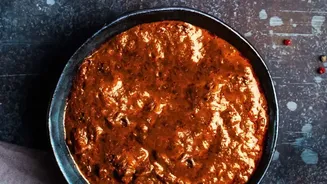
on you. But reducing it to mere spiciness is like calling a classic novel ‘long’. Grown in states like Nagaland, Assam, and Manipur, this chili possesses a distinctively smoky and almost fruity flavour profile that lingers long after the initial fire subsides. It’s this complex character, not just the Scoville units, that has captured the imagination of chefs. Traditionally used in pickles, chutneys, and to flavour meat curries, this pepper is now being seen in a completely new light.
From Regional Staple to Urban Star
So, how did an ingredient rooted in the home kitchens of Nagaland and Assam find its way into the trendy cafés of Mumbai, Delhi, and Bengaluru? The journey is a story of cultural migration and evolving palates. As more people from the Northeast have moved to metropolitan areas for work and study, they’ve brought their culinary traditions with them, opening small eateries that served as an introduction for many. Simultaneously, a growing number of Indian diners have become more adventurous, seeking authentic, regional flavours beyond the standard North Indian fare. There’s also a significant health angle; Northeastern cuisine often involves minimal oil, favouring boiling, steaming, and smoking, which appeals to today’s health-conscious consumer.
The Fusion Treatment
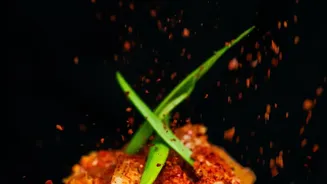
The most exciting part of this trend is how chefs are getting creative. They aren't just recreating traditional Naga pork curry; they're deconstructing the chili paste and using it as a high-impact flavour agent in contemporary dishes. Imagine a Bhut Jolokia-infused honey drizzled over fried chicken, a spicy mayonnaise slathered on a gourmet burger, or a few drops of its extract turning a simple vodka shot into a dare. We are seeing it in everything from chocolate gelato to sophisticated appetizers like smoked chicken with a Naga chili kick. This fusion approach makes the intense chili more accessible, allowing diners to experience its unique flavour without committing to a full-blown, traditionally fiery dish.
More Than Just Heat
The Bhut Jolokia may be the poster child, but it’s the gateway to the broader world of Northeastern flavours. This culinary tradition is rich with unique ingredients and techniques. The funk of ‘axone’ (fermented soybeans), the sharpness of ‘khorisa’ (fermented bamboo shoots), and the aromatic quality of specialty gingers are all making their way into the modern Indian culinary vocabulary. Smoking is another key element, used to preserve and flavour everything from pork to fish, lending a depth that can’t be replicated by any spice powder. This trend isn't just about adding spice; it's about introducing a completely different philosophy of flavour built on fermentation, preservation, and a deep connection to the land.