




Ginger (Adrak): The Digestive Dynamo
The rainy season can often weaken our digestive system. Ginger, a staple in every Indian household, is a trusted remedy. Nutritionists highlight its anti-inflammatory and antioxidant properties that can help soothe an upset stomach, alleviate nausea,
and support overall gut health. Its warming nature makes it particularly beneficial during the cool, damp weather. Incorporating fresh ginger into your morning tea, adding it to dals and curries, or brewing a simple kadha is an easy way to harness its benefits and keep digestive issues at bay.
Turmeric (Haldi): The Golden Immunity Shield
Turmeric is more than just a vibrant colouring agent; it's a potent immunity regulator. The active compound, curcumin, is celebrated for its powerful anti-inflammatory, antioxidant, and antimicrobial properties. This makes it a crucial ingredient for fending off common monsoon infections like colds and flu. Many health experts suggest that pairing turmeric with a pinch of black pepper can significantly enhance the absorption of curcumin, maximizing its benefits. A warm cup of haldi doodh before bed or simply ensuring its presence in your daily cooking can fortify your body's defences.
Garlic (Lehsun): Nature's Antibiotic
Known for its pungent aroma, garlic is a formidable ally for your immune system during the monsoon. It contains allicin, a compound with natural antimicrobial properties that can help the body combat seasonal infections. Nutritionists often recommend including garlic in daily meals to help enhance the function of white blood cells, which are the body's primary line of defence against viruses. For maximum benefit, it's often suggested to consume garlic crushed or chopped, as this helps release its active compounds. Adding it to soups, dals, and vegetable preparations is a simple and effective strategy.
Tulsi (Holy Basil): The Sacred Protector
Revered in India for its medicinal properties, Tulsi is an adaptogenic herb that helps the body cope with stress and builds resilience against infections. Its leaves are packed with compounds that have antimicrobial and antiviral qualities, making it excellent for respiratory health. A warm cup of Tulsi tea, often brewed with ginger and honey, is a popular and comforting monsoon beverage that can help soothe a sore throat and prevent colds. Chewing a few fresh leaves on an empty stomach is another traditional practice to boost immunity during this season.
Probiotics (Dahi): The Gut Guardian
A healthy gut is the foundation of a strong immune system, and this is especially true during the monsoon when the risk of digestive issues is higher. Fresh, homemade curd (dahi) and buttermilk are excellent sources of probiotics, the beneficial bacteria that support gut health. These foods help maintain a healthy microbial balance in your digestive tract, preventing problems like bloating and indigestion. Nutrition experts recommend consuming fresh, room-temperature curd during the day to aid digestion and strengthen your body’s natural defences against pathogens.
Seasonal Gourds: The Light and Easy Choice
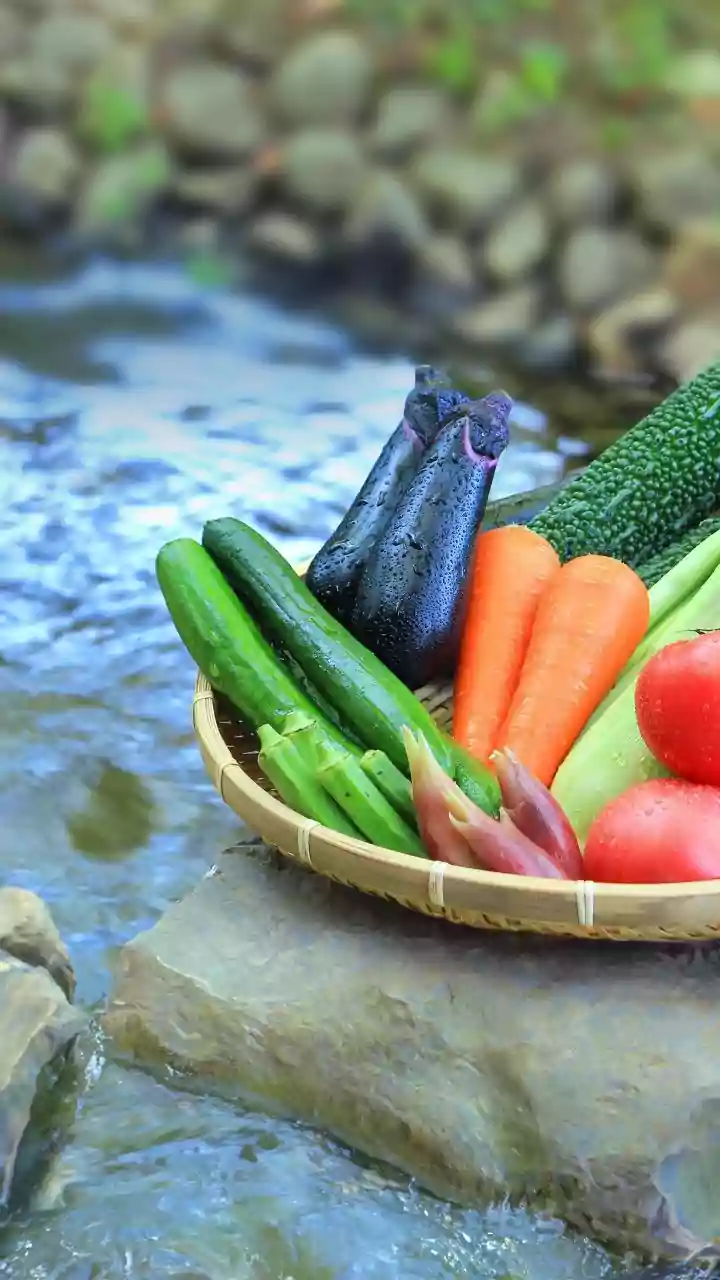
While our hearts may crave heavy, fried foods during the rains, our digestion often prefers lighter meals. Seasonal vegetables like bottle gourd (lauki), ridge gourd (turai), and bitter gourd (karela) are easy to digest and packed with essential nutrients and fibre. These vegetables have high water content and are low in calories, making them ideal for keeping meals light yet nourishing. Experts advise cooking them thoroughly, perhaps in the form of a soup or a simple sabzi, to reduce the risk of contamination and make them easier on the digestive system.