



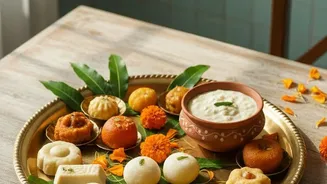
As Diwali approaches, the air fills with a familiar, festive aroma of sweets being prepared. Among the most cherished is the Gujiya, a crescent-shaped pastry filled with joy. Here is how you can bring this tradition into your own kitchen.
A Sweet Symbol of Festivity
Gujiya is more
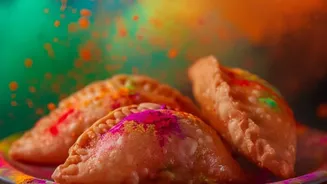
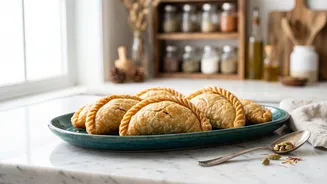
than just a sweet; it is an edible emblem of celebration in India, especially during festivals like Holi and Diwali. This deep-fried dumpling, with its crisp, flaky crust and a rich, sweet filling, holds a special place in festive menus. The half-moon shape is instantly recognizable, often decorated with intricate patterns along the sealed edge. Preparing Gujiya is often a communal activity, where family members gather to stuff, fold, and fry these delicacies, turning a simple cooking process into a cherished memory. It represents the warmth of togetherness and the sweet rewards of shared effort, making it an essential part of any festive spread.
Gathering Your Ingredients
A perfect Gujiya starts with the right ingredients. For the dough, you will need approximately 2 cups of all-purpose flour (maida), 1/4 cup of ghee (clarified butter), and about 1/2 cup of water. The ghee is crucial for creating a flaky, melt-in-the-mouth texture. For the traditional filling, gather 1 cup of khoya (mawa or dried milk solids), 3/4 cup of powdered sugar, 1/2 cup of mixed chopped nuts like almonds, cashews, and pistachios, 1/4 cup of desiccated coconut, 1/2 teaspoon of cardamom powder, and a pinch of nutmeg. You will also need oil or ghee for deep-frying.
Crafting the Flaky Pastry
The secret to a great Gujiya lies in its crust. Start by combining the all-purpose flour and the ghee in a large bowl. Rub the ghee into the flour with your fingertips until the mixture resembles coarse breadcrumbs. This process, known as 'moyan', is what makes the pastry crisp. Now, slowly add water, a little at a time, and knead to form a firm, stiff dough. It should not be soft like a chapati dough. Once formed, cover the dough with a damp cloth and let it rest for at least 30 minutes. This resting period is essential as it allows the gluten to relax, making the dough easier to roll.
Preparing the Rich Filling
While the dough is resting, you can prepare the aromatic filling. Gently roast the khoya in a non-stick pan over low heat for a few minutes until it loosens up and becomes fragrant. Be careful not to brown it. Transfer the roasted khoya to a bowl and let it cool completely. Once cool, add the powdered sugar, chopped nuts, desiccated coconut, cardamom powder, and nutmeg. Mix everything together thoroughly. Your filling is now ready. The cooling step is critical; adding sugar to hot khoya will cause it to melt and become runny, making the filling process difficult.
The Art of Shaping and Frying
After the dough has rested, knead it again for a minute. Divide it into small, equal-sized balls. Roll each ball into a thin, small circle (about 4-5 inches in diameter). Place a spoonful of the filling onto one half of the circle, leaving the edges clear. Gently moisten the edges with a little water, fold the other half over to create a semi-circle, and press the edges firmly to seal. You can use a Gujiya mould for a perfect shape and design, or you can pinch and twist the edges by hand to create a traditional pattern called 'godna'. Heat oil or ghee in a kadai over low to medium heat. The temperature should be just right—not too hot, as that will cook the outside too quickly and leave the inside raw. Slide a few Gujiyas into the oil and fry them on a low flame, flipping occasionally, until they are golden brown and crisp on both sides. This slow frying process can take 7-8 minutes per batch but ensures a perfectly cooked pastry.
Expert Tips for Perfect Gujiyas
To ensure your Gujiyas turn out perfectly every time, keep a few things in mind. First, the dough must be stiff. A soft dough will not result in a crispy crust. Second, seal the edges very well to prevent the filling from leaking into the oil while frying, which can ruin the entire batch. Third, always fry Gujiyas on a low flame. High heat will cause bubbles to form on the crust and will not cook them evenly. Finally, make sure the khoya filling has cooled down completely before you add sugar. Following these simple tips will help you master this festive treat and impress your family and friends.