




Understanding Gut Resilience
Gut resilience refers to the ability of your digestive system to handle occasional stressors—like a week of festive feasting—and bounce back quickly. A healthy gut is home to trillions of microbes that play a crucial role in digestion, immunity, and even
mood. The key to resilience lies in fostering a diverse and robust community of these beneficial bacteria. A plant-focused diet is one of the most effective ways to achieve this, as it provides the necessary fuel for these microbes to thrive.
Why a Gentle Plant-Based Reset Works
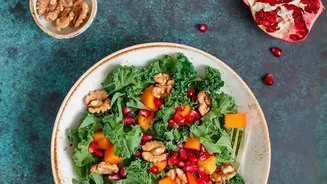
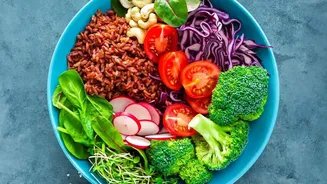
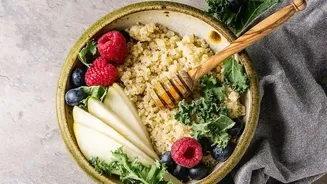
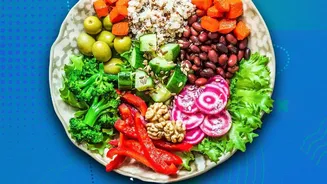
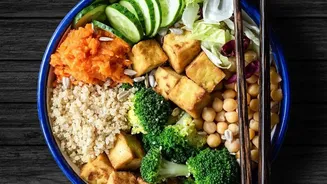
A 'reset' doesn't mean a restrictive fast. Instead, it involves intentionally incorporating more whole, plant-based foods into your diet in the days or weeks leading up to the festivities. Plant foods are rich in fibre, which is essential for healthy digestion. There are two types of fibre: insoluble, which helps prevent constipation, and soluble, which acts as a food source for your good gut bacteria. Focusing on plants helps reduce inflammation and supports the cells lining your intestines.
Load Up on Prebiotic-Rich Foods
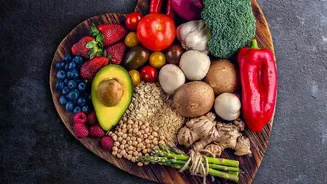
Prebiotics are types of fibre that feed the friendly bacteria in your gut. By eating prebiotic-rich foods, you're essentially providing nourishment that helps your beneficial microbes multiply, creating a stronger gut ecosystem. Many of these foods are likely already in your kitchen. Excellent plant-based sources include garlic, onions, bananas, apples, oats, and asparagus. Try starting your day with a bowl of oatmeal topped with banana slices or adding extra garlic and onion to your curries and sabzis.
Incorporate Probiotics for Good Bacteria
While prebiotics feed the good bacteria you already have, probiotics add more live, beneficial bacteria directly to your system. These are typically found in fermented foods. While yogurt and kefir are popular choices, there are excellent plant-based options too. These include kimchi (spicy fermented cabbage), sauerkraut, kombucha (fermented tea), and miso. Adding a small portion of a fermented food to one of your daily meals can significantly boost your gut's bacterial diversity.
Hydration is Key for Digestive Flow
Proper hydration is fundamental for good digestion, yet it's often overlooked. Water helps break down food, allows nutrients to be absorbed, and softens stool, which helps prevent constipation. Especially when increasing your fibre intake, drinking enough water is crucial. Ayurvedic traditions suggest sipping warm water throughout the day to support the digestive fire, or 'Agni'. Aim for at least 2 litres daily, and consider starting your morning with a glass of warm water, perhaps with a squeeze of lemon.
Adopt Mindful Habits Before the Feast
How you eat is just as important as what you eat. In the days before the festivities, practice mindful eating. Chew your food thoroughly—aiming for about 20 chews per mouthful—to aid digestion from the very start. Eat at regular times and avoid eating too close to bedtime, as your digestion slows down when you sleep. A brisk walk after meals can also aid digestion and help manage blood sugar levels. These small habits can make a big difference when your system is under the extra load of festive meals.