




The Game-Changer: A New Strategic Rail Link
The heart of this transformation is the new Taranga Hill-Ambaji-Abu Road railway line. This 116.65 km track is a significant infrastructure development, creating a direct connection that bypasses longer, existing routes. Sanctioned by the government,
the project is progressing at a swift pace, with major construction, including extensive tunnel work through the Aravalli hills, already well underway. This line is not just an alternative; for the first time, it will bring the famous Ambaji Shaktipeeth, one of India's 51 revered Shaktipeeths, onto the country's railway map. The project, which is expected to be completed by 2027, will traverse the districts of Mehsana, Sabarkantha, and Banaskantha in Gujarat and Sirohi in Rajasthan, knitting the two states closer together.
Unlocking Spiritual and Leisure Tourism
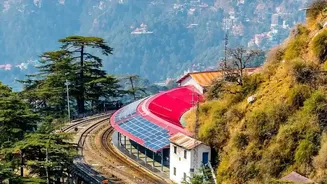
For weekend travelers and pilgrims, this new connectivity is nothing short of revolutionary. Currently, reaching the Ambaji temple or the historic Jain temples at Taranga Hill requires road travel, often from the nearest major railway station at Abu Road. The new line will eliminate this last-mile hassle, providing direct access and significantly cutting down on travel time. Imagine leaving from Ahmedabad after work on a Friday and comfortably reaching the foothills of Ambaji for a weekend of spiritual rejuvenation. The line will feature 15 new stations, including a major six-storey passenger facility planned for Ambaji, designed to handle the influx of devotees and tourists. With trains expected to run at speeds up to 110 kmph, the journey will be both fast and comfortable. This easy access is also expected to provide a major boost to tourism at Mount Abu, Rajasthan's only hill station, making it a more accessible weekend destination from across Gujarat.
New Weekend Itineraries Made Possible
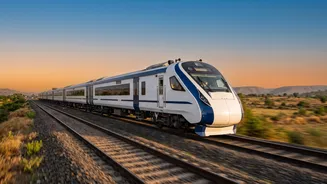
The new route opens up a host of possibilities for short, two or three-day trips. From cities like Ahmedabad and Gandhinagar, travelers can plan a seamless pilgrimage circuit, covering both the Ambaji temple and the 12th-century Ajitnath Jain temple at Taranga Hill. For those seeking leisure, a trip combining the spiritual atmosphere of Ambaji with the scenic beauty and cool climate of Mount Abu becomes much more feasible. Previously, such a trip would involve complex logistics with a mix of train and lengthy bus or taxi journeys. The direct rail link simplifies planning, allowing travelers to spend less time in transit and more time exploring the destinations. This enhanced connectivity complements other recent rail introductions, such as the Vande Bharat Express services connecting cities like Surat and Udaipur, which have already begun to make interstate travel faster.
More Than Just Travel: An Economic Catalyst
The impact of this railway line extends far beyond tourism. The project is expected to be a powerful engine for socio-economic development across the entire region. By providing a faster and more efficient mode of transport, it will benefit local industries, including the marble trade and agriculture, allowing for quicker movement of goods to larger markets. The construction phase itself is a significant employer, projected to generate approximately 40 lakh man-days of direct employment. For the remote and tribal areas along the route, this new connection to the national rail network promises improved mobility and greater economic opportunities, integrating them more closely with the mainstream economies of both states. It serves as a vital piece of infrastructure that fosters not just travel, but trade, development, and social integration.