





The Allure and the Peril
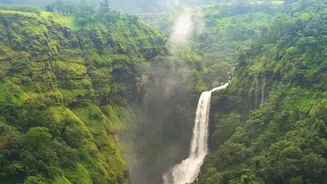
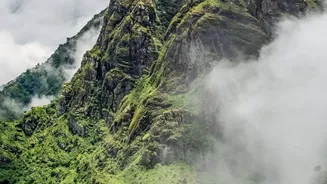
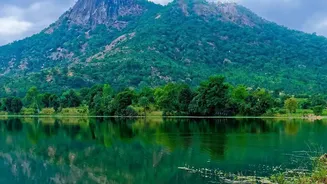
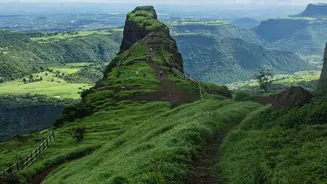
Every year, as the monsoon rains sweep across India, the Western Ghats transform. The dry, dusty trails of summer give way to vibrant green carpets, mist-laden peaks, and countless waterfalls cascading down ancient rock faces. For adventure seekers, this
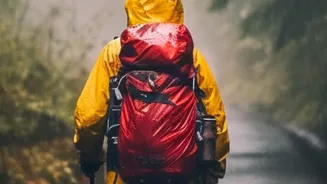
is paradise. However, the same rains that bring the landscape to life also introduce a set of serious, often underestimated, dangers. The primary risks are not just about getting wet or slipping. Experts point to three specific threats: flash floods in narrow gullies that can appear without warning, slippery lateritic and basaltic rock that becomes as slick as glass, and seasonal streams that can swell to uncrossable, life-threatening torrents in minutes. Adding to this is the frequent low visibility from fog and mist, which can easily disorient even experienced trekkers, causing them to lose their way on poorly marked trails. Recent history is filled with tragic incidents of trekkers being stranded, injured, or worse, prompting authorities to implement strict bans on many popular trails during peak monsoon.
The Digital Lifeline: How Live Tracking Works
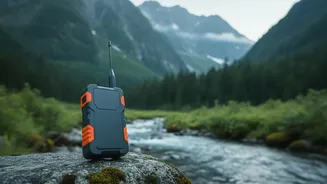
In response to these dangers, a new piece of technology is becoming a trekker's most essential companion: the live GPS tracker. This is far more than the standard GPS map on your smartphone. While phone apps are great for navigation, they often fail in the very places where rescue is most needed—remote valleys with no cellular service. Live tracking, especially through dedicated satellite communicators, offers a robust solution. These devices use satellite networks, like Iridium, to transmit your location from anywhere on Earth, regardless of mobile network coverage. This creates a real-time 'breadcrumb trail' that can be shared with family, friends, or a trek leader. They can follow your progress on a map and see if you've stopped moving unexpectedly or deviated from your planned route. Many of these devices also include a dedicated SOS button, which, when pressed, sends your exact coordinates directly to an international emergency response coordination center, enabling a rapid and precise rescue operation.
A New Standard of Safety
The use of GPS technology is quickly moving from a personal choice to an official requirement. Recognizing its potential to save lives, state governments are integrating it into their safety protocols. In April 2026, after several incidents involving lost trekkers, Karnataka made it mandatory for all groups on approved trails to be accompanied by certified guides equipped with GPS-enabled walkie-talkies. This follows the precedent set by Himachal Pradesh, which made carrying a GPS device mandatory for trekkers several years ago to better manage emergencies, especially during the monsoon season. Trekking organizations are also embracing this trend, making satellite phones and live trackers a standard part of their safety equipment. This system not only helps locate a lost trekker but also allows for better coordination of large groups and efficient deployment of rescue resources when needed.
Technology Is Not a Magic Shield
Despite its immense benefits, a GPS tracker is not an invisibility cloak against danger. Over-reliance on technology can breed complacency. The most advanced satellite communicator is useless if its battery is dead. Trekkers must carry fully charged power banks and understand the limitations of their devices. Satellite signals can be weak or non-existent in deep canyons or under a very dense forest canopy. Furthermore, the device is only as effective as the person using it. A trekker must still possess fundamental outdoor skills: the ability to read a map, understand the weather, assess risks, and know when to turn back. Experts and seasoned hikers constantly reiterate that technology should complement, not replace, traditional skills and sound judgment. The responsibility for safety ultimately rests with the individual.
Your Monsoon Trek Safety Checklist
Planning a monsoon trek in the Western Ghats requires more than just enthusiasm. Integrating technology with time-tested safety practices is key. Before you go, thoroughly research your chosen trail. Check official sources for any bans or restrictions, which are common during heavy rains. Prepare your technology by fully charging all devices and a reliable power bank. Download offline maps as a backup and, if using live tracking, share the link with a trusted contact. Do not neglect the basics: invest in trekking shoes with excellent grip to handle slippery rocks and carry a proper rain jacket and a first-aid kit. On the trail, always trek with a group, preferably with a local guide who understands the terrain and weather patterns. Be prepared to alter your plans and turn back if conditions deteriorate. No summit or waterfall is worth risking your life.