



The Smoking Gun in the Clouds
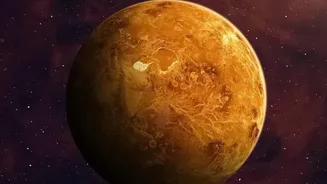
The big clue to answering this question is a gas called sulfur dioxide (SO2). On Earth, the vast majority of this pungent gas in the atmosphere comes from volcanic eruptions. Scientists believe the same principle applies to Venus. However, there's a catch:
sulfur dioxide in Venus's upper atmosphere is rapidly destroyed by sunlight. This means that any SO2 detected high above the clouds must have been recently supplied from below. Seeing significant or fluctuating amounts of sulfur dioxide is like spotting a puff of smoke—it strongly suggests an active source, likely a volcanic vent pumping the gas into the atmosphere from the planet’s interior. This makes SO2 a crucial, albeit temporary, fingerprint of volcanic activity.
A Decades-Long Detective Story
The search for active volcanism on Venus is not new. NASA's Pioneer Venus mission in the 1970s and 80s, and later the European Space Agency's (ESA) Venus Express, both observed large variations in the amount of sulfur dioxide in the planet's upper atmosphere. For example, Venus Express noted a sharp increase in SO2 right after its arrival in 2006, followed by a steady decline over the next several years. These fluctuations are consistent with a large volcanic eruption, or series of eruptions, injecting a massive plume of gas that then gradually dissipated. More recently, scientists have found even more direct evidence by re-examining radar data from NASA's Magellan mission from the 1990s. Studies in 2023 and 2024 identified changes on the planet's surface that look like new lava flows from volcanoes, suggesting eruptions occurred while the spacecraft was in orbit.
The Debate Continues
Despite this mounting evidence, the case isn't completely closed. Venus’s thick, swirling clouds of sulfuric acid make direct observation of the surface incredibly difficult. Some scientific analyses have proposed that what appeared to be new lava flows in old radar data might just be tricks of the light—artifacts caused by different viewing angles of the spacecraft. While many lines of evidence point toward an active planet, from surface temperature anomalies to the SO2 spikes, each piece has its own uncertainties. This ongoing debate highlights the need for new, more advanced missions to gather unambiguous proof and settle the question of whether Earth's twin is still geologically dynamic.
ISRO's Shukrayaan-1 Enters the Fray
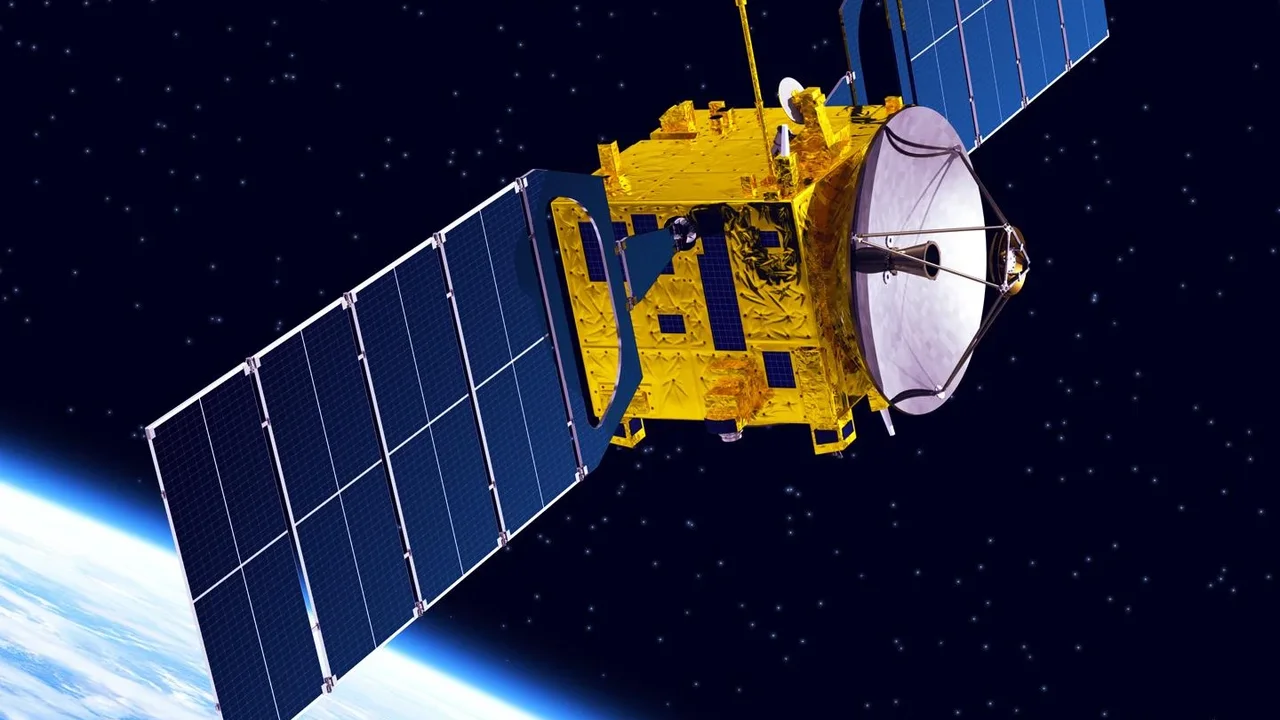
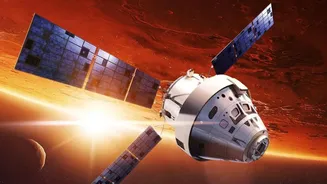
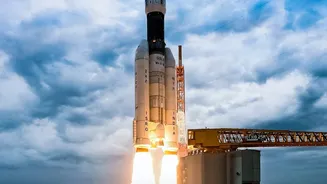
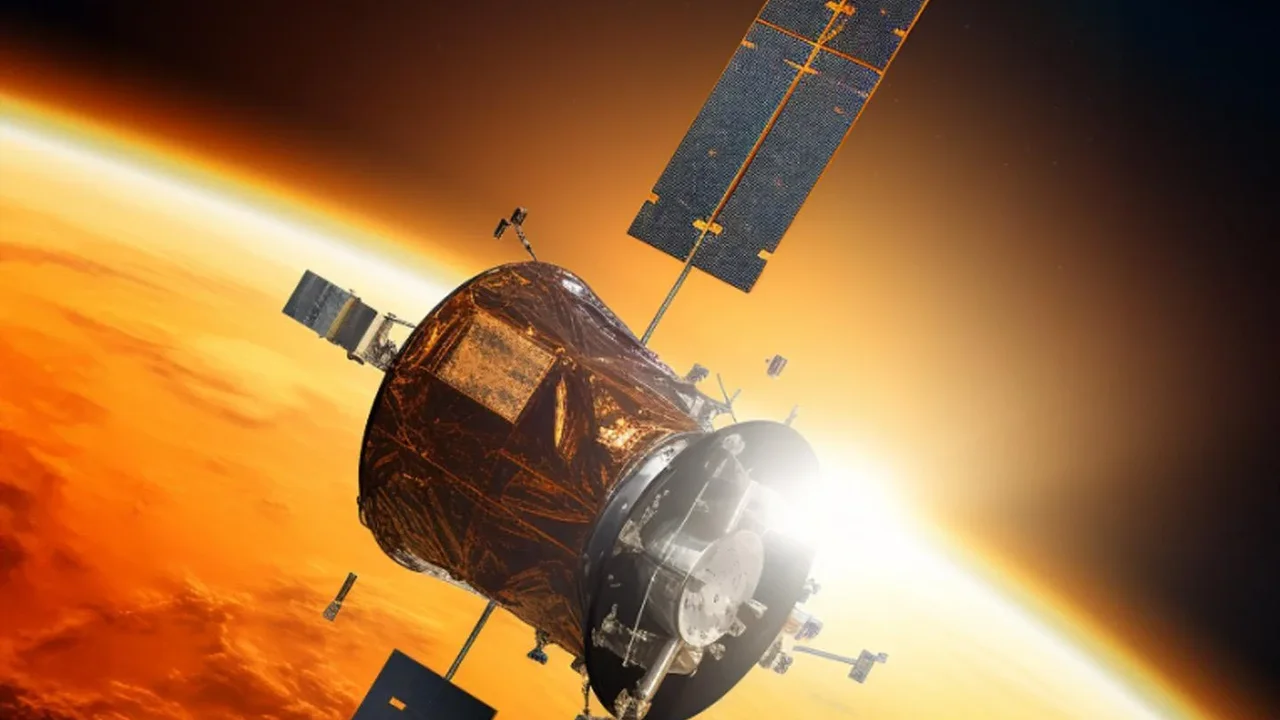
This is where India's space ambitions come into focus. The Indian Space Research Organisation (ISRO) is planning its first-ever mission to Venus, named Shukrayaan-1. Scheduled for a potential launch in the coming years, the orbiter is designed to conduct a comprehensive study of Venus, from its mysterious surface to its super-rotating atmosphere. A key objective of the mission is to investigate the signs of active volcanism and understand the processes happening beneath its dense cloud cover. The spacecraft will be equipped with advanced instruments, including a high-resolution synthetic aperture radar to map the surface and other sensors to study the atmospheric composition, including the telltale sulfur dioxide. This mission will place India among a select group of nations that have explored Venus, contributing vital data to a global scientific effort.