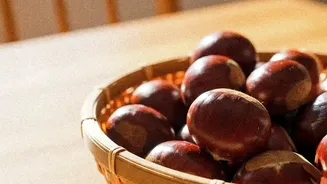


The sweet, nutty aroma of chestnuts roasting is a hallmark of winter. But you don't need an open fire to enjoy this seasonal treat. Here’s how to bring that cosy, comforting flavour indoors and elevate your favourite cold-weather dishes.
First, Roast Them Right
Before you can
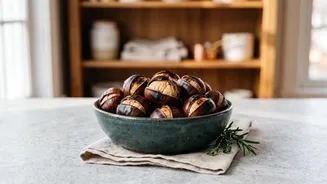
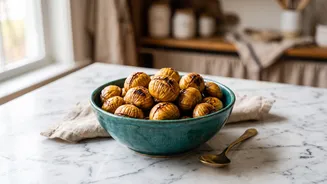
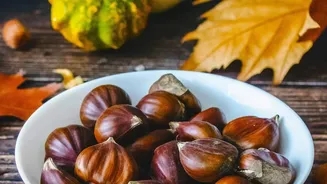
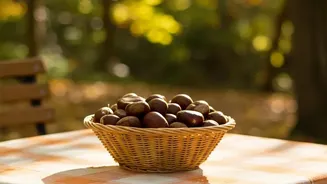
add them to any dish, you need to roast them. While you can buy pre-cooked and peeled chestnuts, roasting them at home fills your kitchen with an incredible aroma. Start by preheating your oven to around 200°C. Use a sharp knife to carefully score an 'X' on the rounded side of each chestnut. This is a crucial step that prevents them from exploding from the built-up steam inside. Place the scored chestnuts on a baking tray and roast for 20-30 minutes, or until the shells begin to peel back and the nut inside is tender. To make peeling easier, wrap the hot chestnuts in a clean towel for a few minutes after taking them out of the oven; this lets them steam and helps the shells loosen. Peel them while they're still warm for the best results.
A Creamy, Comforting Soup
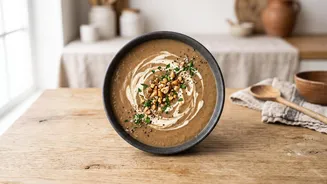
One of the most elegant ways to use roasted chestnuts is in a creamy soup. Their starchy texture lends itself beautifully to a smooth, velvety puree. For a classic approach, blend roasted and peeled chestnuts with sautéed onions, garlic, and vegetable or chicken broth. Simmer with herbs like thyme or a bay leaf, then blend until perfectly smooth. A splash of cream or coconut milk at the end adds extra richness. This soup is fantastic on its own as a starter or served with crusty bread for a light yet satisfying winter meal. For a more earthy flavour, they pair wonderfully with mushrooms or Jerusalem artichokes.
Enrich Your Pasta Dishes
Coarsely chopped or crumbled roasted chestnuts can transform a simple pasta dish by adding a sweet, nutty flavour and a delightfully soft-yet-firm texture. They are a classic partner for hearty, savoury ingredients. Toss them into a pan with browned sausage, sage, and a touch of cream for a rich and rustic sauce. Alternatively, make a unique pesto by blending roasted chestnuts with Parmesan, garlic, and fresh herbs like sage or parsley. They also work beautifully in sauces built around roasted squash or mushrooms, where their sweetness complements the earthy vegetables.
The Ultimate Holiday Side Dish
Chestnuts are perhaps most famous for their role in holiday stuffings, and for good reason. Their flavour is a natural match for roasted meats and poultry. For a classic stuffing, combine chopped roasted chestnuts with breadcrumbs, sautéed onions and celery, and herbs like sage and rosemary. But their use as a side dish doesn't stop there. Try tossing whole or halved roasted chestnuts with Brussels sprouts and bacon for a guaranteed crowd-pleaser. They can also be mixed into a rice pilaf with dried fruit and spices or added to a medley of roasted root vegetables like carrots and parsnips to add texture and a touch of sweetness.
An Unexpected Crunch in Salads
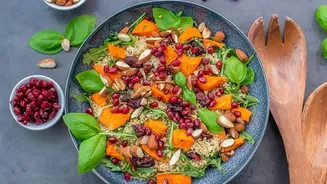
While we often associate them with warm dishes, roasted chestnuts can provide a wonderful textural contrast in winter salads. Their soft, crumbly texture is a welcome alternative to the hard crunch of other nuts. For a simple and elegant salad, combine winter greens with beetroot, blue cheese, and a handful of roughly chopped roasted chestnuts. The chestnuts’ subtle sweetness helps to balance the sharp cheese and earthy beetroot, creating a sophisticated and satisfying meal. Drizzle with a simple vinaigrette to tie all the flavours together.
Don't Forget About Dessert
The natural sweetness of chestnuts makes them a fantastic ingredient in desserts. One of the most classic applications is a sweet chestnut puree or 'crème de marrons', which can be made by simmering cooked chestnuts with sugar and a touch of vanilla. This puree can be used as a filling for tarts, mixed into cake batters, or swirled into ice cream. They pair exceptionally well with chocolate, creating rich and decadent desserts like a flourless chocolate chestnut cake. For a simpler treat, candied chestnuts ('marrons glacés') are a festive delicacy that showcases the ingredient in its purest, sweetest form.