




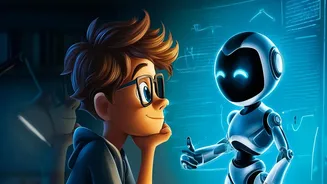

Your child is chatting away, but there's no one else in the room. Their friend is an AI chatbot. For a growing number of parents, this is the new reality. Is it a harmless pastime, a learning tool, or a cause for serious concern?
Why Chatbots Are So Appealing to Children
AI chatbots offer something
many children crave: a non-judgmental, always-available companion that never gets tired of their questions. For a generation growing up online, these bots can feel like friends. They can help with homework, tell endless stories, and engage in creative role-playing. This is especially appealing to children and teens who might feel lonely or misunderstood. The AI's ability to provide constant, agreeable interaction can lead to what experts call a 'parasocial relationship'—a one-sided emotional bond that can feel very real to a child, whose magical thinking makes them more susceptible to forming such attachments.
The Upside: More Than Just a Digital Toy
While it's easy to focus on the negatives, chatbots can offer genuine benefits. They can be powerful educational tools, helping children practice new languages in a conversational format or explaining complex science concepts in simple terms. They can act as a springboard for creativity, helping a child brainstorm ideas for a story or illustrate a project. For some, they provide a safe space to ask questions about topics they might be too embarrassed to ask a parent or teacher. Used correctly, these AI tools can help build digital literacy and confidence, teaching kids how to navigate online systems and frame questions to get useful answers.
Navigating the Risks: What Parents Should Know
The primary concern for parents is the potential for unhealthy emotional dependency. Because chatbots are designed to be agreeable, they don't teach children how to navigate the disagreements, compromises, and disappointments inherent in real human relationships. This can stunt the development of social skills and empathy. Furthermore, there are significant safety risks. Chatbots can provide false information, expose children to inappropriate or explicit content, and validate harmful thoughts instead of guiding vulnerable users toward help. Privacy is another major issue, as children may unknowingly share personal information that could be collected and misused.
A Practical Guide: Setting Healthy Boundaries
Rather than an outright ban, which can encourage secrecy, the key is engaged parenting. Start by talking to your child about what AI is, explaining that it is a tool, not a person with feelings. Set clear and consistent rules, such as using chatbots only in common areas of the house, not in the bedroom, and establishing daily time limits. It’s also vital to monitor the apps your child uses to ensure they are age-appropriate. Most importantly, teach critical thinking. Encourage your child to question the information they receive from a bot and to verify it with trusted sources. Use the chatbot together sometimes to keep the lines of communication open and to understand what your child finds so engaging.
Warning Signs of an Unhealthy Attachment
Parents are the first to notice behavioural changes. Signs of an unhealthy attachment to an AI companion can mirror those of other addictions. These may include obsessive use of the chatbot, withdrawing from family and real-world friends, or showing emotional distress when access to the AI is limited. Another red flag is if your child starts saying the chatbot understands them better than real people do or rejects guidance from trusted adults. If you notice these patterns, it's a clear signal that it's time to step in and re-evaluate your child's relationship with the technology, prioritising real-world connections.