








The Two Engines of Change
On one side, you have Gen Z, the hyper-connected cohort (born between 1997 and 2012) that has never known a world without high-speed internet. They are India's most influential consumer segment, accounting for a staggering 40-45% of e-retail shoppers.
On the other side is 'Bharat'—the vast, diverse, and upwardly mobile population in India's Tier II, Tier III, and rural areas. Once considered secondary markets, these regions are now powerful engines of consumption, accounting for over 60% of online shoppers and showing explosive growth in demand for everything from groceries to jewellery. Together, they represent a fundamental redistribution of economic influence that is forcing every retailer to adapt or risk becoming obsolete.
Digital First, But Not Digital Only
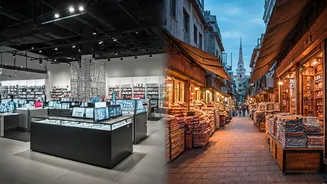
While both groups are digital-first, their behaviour is far from predictable. For Gen Z, the shopping journey is no longer a linear path from awareness to purchase. It’s a rapid loop where discovery happens on social media through creators and short-form videos, validation comes from peer reviews, and the purchase is often just a tap away. However, this doesn't mean the death of physical stores. Despite being digital natives, a majority of Gen Z consumers still value in-store shopping for the tactile experience, especially for apparel. Similarly, consumers in Bharat, while increasingly comfortable with online discovery and digital payments, often prefer an omnichannel approach where they can touch and feel a product before buying. This has led to the rise of 'phygital' retail, where brands must offer a seamless experience across online and offline touchpoints.
Value, Values, and Authenticity
Perhaps the most significant change is the redefinition of 'value'. For both Gen Z and the new Bharat consumer, it's no longer just about the lowest price. They seek a combination of fair pricing, functionality, and emotional resonance. Gen Z, in particular, scrutinises brands for their values, demanding transparency and aligning with those that demonstrate environmental and ethical consciousness. Brand loyalty is no longer a given; it must be earned through authenticity and purpose. This has fueled the incredible rise of Direct-to-Consumer (D2C) brands. Companies like Mamaearth, boAt, and Lenskart built their empires by identifying niche needs, communicating transparently about their products, and fostering communities through micro-influencers and relatable content rather than just big-budget advertising.
How Brands Are Responding
In response to this new reality, smart brands are overhauling their strategies. The focus is shifting from top-down advertising to creator-led ecosystems and user-generated content that feels authentic. Video content is replacing static product images to show how products look and function in real life. Mass-market fashion brands like Zudio are expanding rapidly in Tier II cities, recognizing the demand for affordable, trend-led fashion. Legacy brands and new-age D2C companies alike are investing heavily in omnichannel strategies, opening experience centres in smaller cities and ensuring inventory is visible and integrated across online and offline channels. They are learning that to win over this new generation of shoppers, you must be present everywhere, tell an authentic story, and offer value that goes beyond the price tag.