


Beyond the Brown Biscuit
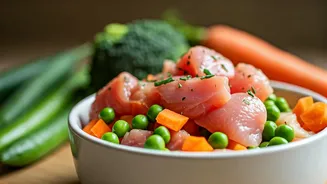
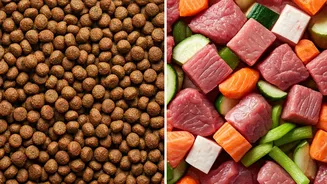
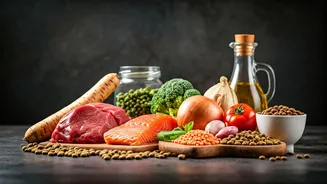
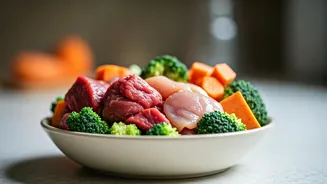
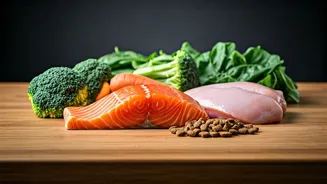
The diet shift isn't just one thing, but a move toward foods that look more like what humans eat. Think gently cooked meals made from human-grade ingredients like real chicken, beef, carrots, and peas, often delivered to your door in pre-portioned packs.
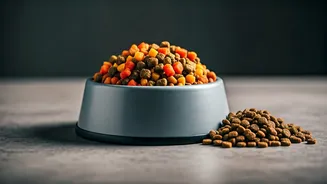
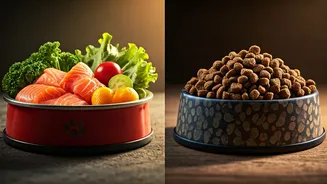
This trend encompasses everything from refrigerated and frozen meals to dehydrated and freeze-dried options. The core idea is moving away from the highly processed, shelf-stable pellets that have dominated the market for decades toward minimally processed foods. This shift is largely driven by the 'humanization' of pets; as owners increasingly see their pets as family, they apply their own wellness philosophies to their animal companions. If health experts advise people to eat fresh, less-processed foods, many pet owners are now asking why the same shouldn't apply to their dogs and cats.
The Urban Connection
This trend is particularly strong in urban areas for several key reasons. City dwellers often have higher disposable incomes and greater access to information about pet health and nutrition. This environment fosters a demand for premium, specialized products. The rise of e-commerce and subscription delivery services has also been a game-changer, offering a convenient way for busy urbanites to provide fresh meals without the hassle of preparation or special shopping trips. This convenience, combined with a cultural focus on wellness that spills over from owner to pet, creates the perfect environment for fresh food diets to thrive.
The Vet’s Verdict
The term 'vet-approved' can be complicated. While major veterinary associations have traditionally been cautious, attitudes are changing. A growing number of veterinarians are becoming more open to, and even recommending, fresh food diets. They observe real-world benefits like improved energy, better digestion, and shinier coats. Some vets find fresh, palatable foods particularly helpful for picky eaters or dogs with chronic illnesses that suppress appetite. However, caution remains. The main concern is ensuring any diet, fresh or otherwise, is complete and nutritionally balanced according to standards set by bodies like the Association of American Feed Control Officials (AAFCO). Many vets express concern over homemade diets that are not properly formulated, which can lead to nutritional deficiencies. It's also important to distinguish between gently cooked fresh food and raw food diets, which many veterinarians discourage due to risks of bacterial contamination like Salmonella and E. coli.
Benefits vs. Hype
Proponents of fresh diets point to numerous benefits. Studies and anecdotal reports suggest these diets are more digestible than kibble, meaning pets absorb more nutrients from their food. This can lead to smaller, firmer stools—one of the first changes owners often notice. Other reported benefits include healthier skin and coats, improved body weight, and more energy. A study involving Cornell University even found that dogs on a fresh diet showed metabolic markers associated with healthier aging. While promising, experts note that more long-term research on the health outcomes of fresh diets is still needed. A balanced diet is what's most important, and a high-quality kibble can still be a perfectly healthy choice for many pets.
Considering the Switch?
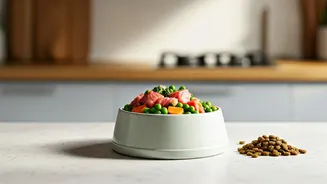
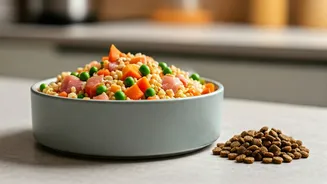
If you're curious about switching your pet to a fresh food diet, the most critical first step is to talk to your veterinarian. They can help you determine if it's the right choice for your pet's specific age, breed, and health status. When choosing a commercial fresh food, look for brands that employ board-certified veterinary nutritionists and conduct feeding trials to validate their formulas. Reputable brands will be transparent about their ingredients and safety protocols. Whether you go all-in or simply use fresh food as a 'topper' on their existing kibble, a slow transition over several weeks is recommended to avoid digestive upset.