
Why Squats Are King for Legs
The squat is often called the 'king of exercises', and for good reason. It is a compound movement, meaning it engages multiple joints and muscle groups simultaneously, making it incredibly efficient for building lower body strength. Squats mimic a natural,
functional movement we perform daily: sitting down and standing up. By strengthening this pattern, you not only build more powerful legs but also improve your mobility, balance, and core stability, which helps protect your spine and maintain good posture. Incorporating squats into your routine is one of the most effective ways to strengthen the major muscles of your thighs and hips, leading to better athletic performance and making everyday activities feel easier.
The Muscles Behind the Movement
When you perform a squat, you're giving your entire lower body a workout, but the upper legs do the lion's share of the work. The primary muscles targeted are the quadriceps, the large muscles on the front of your thighs. These are responsible for extending your knee as you push back up to a standing position. Working in opposition are the hamstrings, located on the back of your thigh, which help control the descent and stabilize the knee. The gluteus maximus (your glutes) is also a major driver, providing power for hip extension as you rise. Finally, the adductors, or inner thigh muscles, play a crucial stabilizing role, helping to keep your knees aligned throughout the movement.
How to Perform the Perfect Bodyweight Squat
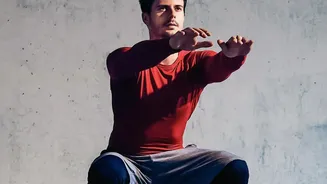
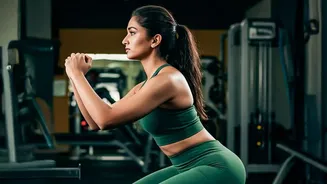
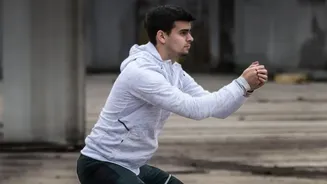
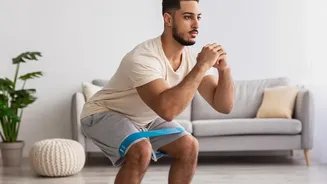
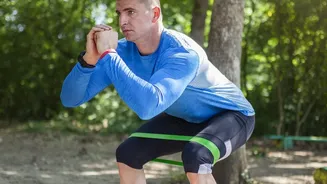
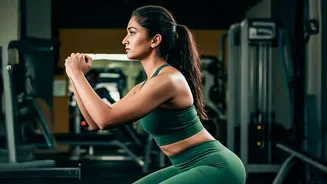
Mastering the basic bodyweight squat is the first step to building stronger thighs. Proper form is crucial for effectiveness and injury prevention. Start by standing with your feet slightly wider than shoulder-width apart, with your toes pointing slightly outward. Keep your chest up and engage your core muscles as if you're bracing for a punch. Initiate the movement by pushing your hips back, as if you're about to sit in a chair behind you. Continue to bend your knees, lowering yourself until your thighs are at least parallel to the floor, while keeping your back straight. Ensure your heels stay planted firmly on the ground. To return to the start, drive powerfully through your heels, extending your hips and knees.
Avoid These Common Form Mistakes
Several common mistakes can reduce the effectiveness of your squat and increase the risk of injury. One of the most frequent errors is letting your knees cave inward. To prevent this, actively think about pushing your knees out so they track in line with your feet. Another issue is not squatting deep enough; shallow squats limit the activation of your glutes and hamstrings. Aim for your thighs to be at least parallel to the ground. Rounding your back is also a problem, which often happens if your core is not engaged or the weight is too heavy. Keep your chest lifted and your spine in a neutral position throughout the lift. Finally, lifting your heels off the floor shifts your weight forward and puts unnecessary stress on your knees. Concentrate on pushing through your heels to maintain stability and power.
Simple Squat Variations to Try
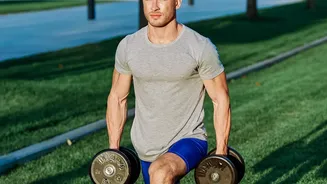
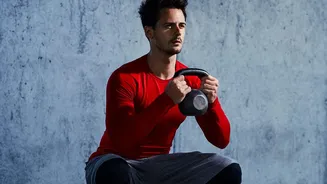
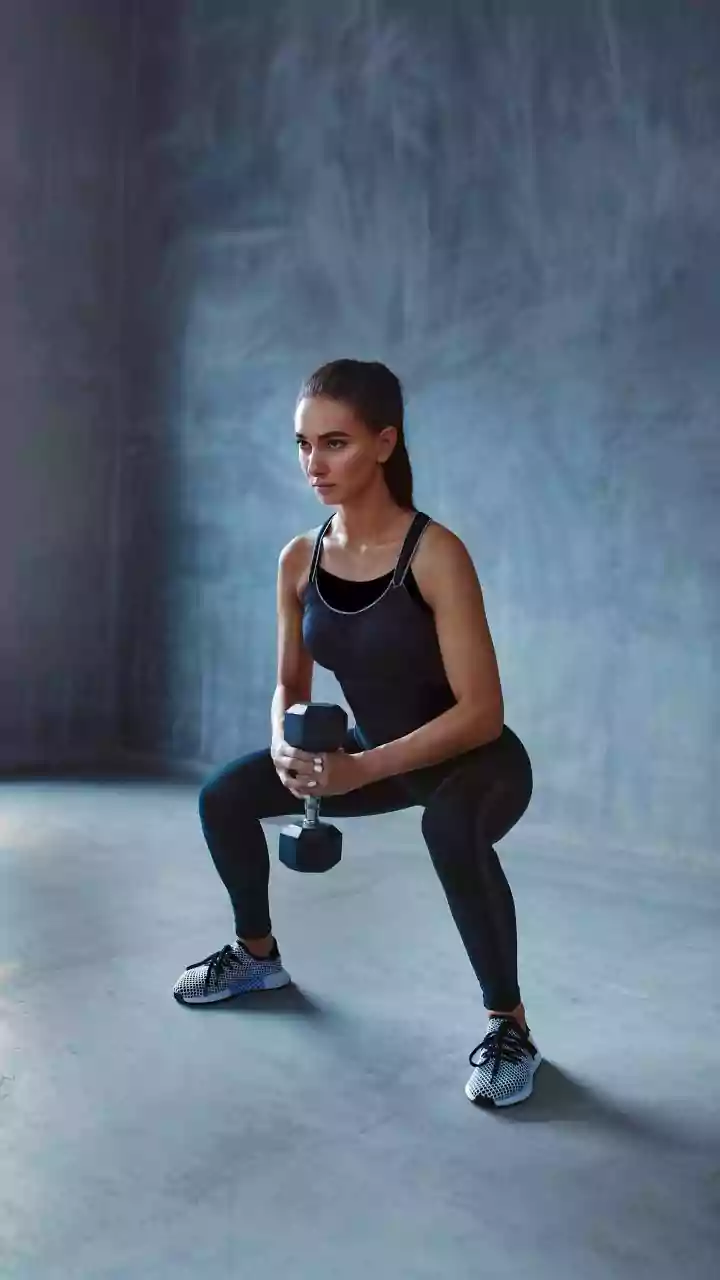
Once you've mastered the basic squat, you can introduce variations to challenge your muscles in new ways. For beginners or those with knee issues, the wall squat is an excellent starting point. By sliding your back down a wall, you get extra support while building foundational strength. Another great option is the sumo squat, which uses a wider stance with toes pointed further out. This variation increases the engagement of the inner thigh muscles (adductors). For those ready to add light resistance, the goblet squat is perfect. Holding a single dumbbell or kettlebell at your chest helps you maintain an upright torso while adding a new challenge for your quads and core.