



Understanding Late-Monsoon Rafting
The official rafting season in Rishikesh is suspended during the peak monsoon months of July and August for safety reasons. Operations typically resume in mid-to-late September as the water levels stabilize. This post-monsoon window is magical; the river
is powerful, the air is clean, and the crowds are often smaller than in peak season. However, the river's current can still be strong and unpredictable. Authorities give the green light only when conditions are deemed safe, and usually, only the gentler stretches are opened initially. This makes it crucial for adventurers, especially beginners, to stick to the officially sanctioned routes.
The Ideal Stretch for Beginners
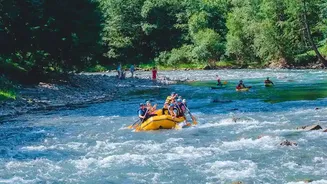
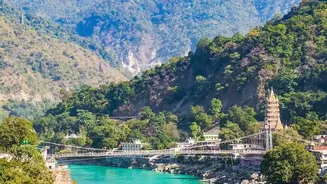
For those new to rafting or anyone seeking a gentler introduction during the late-monsoon period, the Brahmpuri to Ram Jhula (or NIM Beach) stretch is the undisputed best choice. Spanning about 9 to 12 kilometres, this section takes roughly 1.5 to 2 hours to complete. It features Grade I and II rapids, which are considered easy and suitable for families and first-timers. You'll encounter exciting but manageable rapids like Double Trouble and Hilton, offering a taste of adventure without overwhelming risks. This stretch combines gentle paddling with stunning views of temples and ashrams lining the banks of the Ganga.
Your Essential Safety Checklist
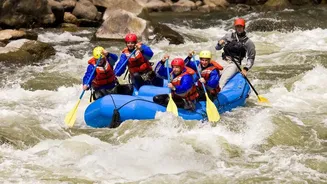
Safety is non-negotiable. Before you even get into the raft, ensure you are equipped correctly and have listened to your guide. Your life jacket, or Personal Flotation Device (PFD), must be worn at all times and should fit snugly. A properly fitted helmet is just as vital. Pay close attention to the pre-rafting safety briefing. A professional guide will explain essential commands for paddling (like 'forward' and 'stop') and critical safety procedures, such as what to do if you fall into the water—float on your back with your feet pointing downstream. Never consume alcohol before a rafting trip, as it impairs judgment and reaction time.
Choosing a Reputable Operator
The quality of your rafting operator directly impacts your safety. Only book with companies that are licensed and approved by the Uttarakhand Tourism Development Board. Reputable operators employ certified guides with extensive experience, first-aid training, and knowledge of river rescue techniques. They will also provide high-quality, well-maintained equipment, including the raft itself, paddles, life jackets, and helmets. Don't be swayed by unusually cheap offers from unlicensed operators, as they may cut corners on crucial safety measures. Reading recent online reviews can provide insight into a company's safety record and professionalism.
What to Wear and Bring
Dressing appropriately will keep you comfortable and safe. Opt for quick-drying synthetic clothing like nylon shorts and a synthetic t-shirt. Avoid cotton, which stays wet and can make you cold. Secure footwear is essential; river sandals, water shoes, or old sneakers are ideal, but flip-flops are not. On sunny days, waterproof sunscreen is a must, and a cap or hat that can be secured is a good idea. It's best to leave valuables like jewellery and non-waterproof electronics behind. Your operator will typically provide a dry bag for any small essentials you need to bring along.